



























Best Corded Drum Sanders (Burnishers) for Welders & Metal Fabricators in 2026


Buyer’s Guide + Real Shop Breakdown
If you’ve ever tried to blend a weld or put a clean grain finish on stainless with the wrong tool… you already know—it turns into a fight real quick.
A good drum sander (also called a burnisher or surface conditioning tool) should feel like it’s doing the work for you. A bad one? You’re wrestling it, burning material, and ending up with a finish that looks like a zebra instead of clean straight grain.
This guide breaks down exactly what matters when choosing a drum sander for real shop work—then ranks the best corded options for 2026 based on power, durability, and how they actually perform under pressure.
Best Corded Drum Sanders/Burnishing tools in 2026
- Hercules 9A (Harbor Freight) – The Budget Workhorse
- Eastwood Contour SCT - Best Overall Pick
- Walter Line-Mate III - Production Beast
- ZFE / VEVOR (Amazon) - Entry-Level Starter
- Metabo SE 17-200 RT - High-Torque Monster
What Actually Matters (From a Shop Floor Perspective)
Before getting into models, let’s talk about what separates a tool you’ll use every day from one that collects dust.
1. Power (Amps & Torque)
- Power (Amps & Torque)
- I’m looking for 8–12 amp minimum, preferably higher if I’m doing stainless all day.
- Torque matters more than speed—this tool needs to keep pulling under pressure, not just spin fast.
- If I have to baby it, I don’t want it…and neither should you.
2. Variable Speed Control (Non-Negotiable)
- Different materials = different speeds:
- Stainless → slower, controlled finish
- Mild steel → medium
- Aluminum → slower to avoid loading
- I want a wide RPM range (like ~1,000–3,500 RPM) with a dial that’s easy to adjust with gloves on
- Fixed-speed tools are a deal breaker for finishing work.
3. Roller / Drum Compatibility
- This is where the real work happens
- I want it to run:
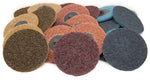
- Non-woven drums (for finishing)
- Flap drums (for blending welds)
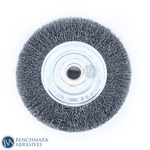
- Wire brushes (for rust/scale removal)
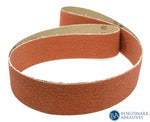
- Standard size (usually 4" x 4" or 4-1/2" x4") so I’m not locked into one supplier. I usually stick to Benchmark Abrasives where my value for dollar spent are unmatched.
- Quick change or easy swap = big plus. If it only takes proprietary drums, I’m already annoyed.
4. Balance & Vibration
- If it shakes, your hands go numb and your finish looks like garbage
- I’m looking for:
- Smooth startup
- Low vibration under load
- Good internal balance
- Good internal balance
5. Ergonomics (This Tool Gets Heavy Fast)
These tools aren’t light, and you’re running them for a while. If it fights you, your finish suffers and your arms are toast.
- Must have:
- Two solid grip points
- Comfortable handles (not slick plastic)
- Good weight distribution
6. Tracking Straight (Huge for Finish Work)
- The whole point is straight-line grain finish
- Tool needs to:
- Stay flat
- Not “walk” side to side
- Keep consistent pressure across the drum
- If it wanders, your finish will end up looking like a zebra instead of a clean grain.
7. Durability (Dust is Brutal)
- These tools eat:
- Metal dust, Abrasive grit and Heat
- You Need:
- Sealed bearings, Good venting (but not wide open to junk) and Solid housing (no flimsy plastic gearboxes)
- If it dies in 6 months, it wasn’t cheap—it was expensive.
8. Cord Length & Shop Practicality
- Short cords are annoying—now I need extensions everywhere
- Look for a tool with
- Flexible 6–10 ft cord minimum, not stiff garbage
9. Price vs. Consumable Cost
- Tool cost matters—but honestly:
- The drums are where the money goes long term
- I’m thinking:
- Can I get drums easily?
- Are they reasonably priced?
- Will they last?
Cheap tool + expensive consumables = bad deal.
10. What Job Am I Actually Doing? (Use Case Check)
Different guys need different setups:
- Fabrication shop (weld blending):
- Higher power, flap drum compatibility
- Stainless finishing (food-grade, railings):
- Smooth tracking + variable speed is everything
- Maintenance / rust removal:
- Wire brush compatibility + durability
Read More: How Bonded Abrasives Perform on Tough Materials like Stainless Steel
Bottom Line (Shop Talk Version)
If I had to sum it up:
- Does it bog down? → pass if yes
- Can I control the speed? → must have
- Will it take standard drums? → huge
- Does it run smooth? → critical
- Can I use it all day without hating my life? → deal breaker
Breakdown of Each Tool (Real-World Use)
This is the “no excuses” entry point.
Why it works:
- Solid 9-amp motor
- Variable speed
- All-metal gearing
- Lock-on trigger for long runs
What guys like:
- Way more power than expected for a budget tool
- Solid build (especially compared to older Harbor Freight stuff)
- Gets real work done—stripping, blending, surface prep
Common complaints:
- Longevity can be hit or miss
- Dust protection and sealing isn’t top-tier
- Warranty is short, so it’s a “use it hard while it lasts” tool
Shop translation: If you’re expecting junk, you’ll be surprised. If you expect it to last 5 years in production… that’s a gamble.
Get the Budget Workhorse at Amazon
This is what most shops end up buying.
Why it stands out:
- Same power as Hercules but better refinement
- 3-year warranty
- Smoother operation
- Better included accessories
What guys like:
- Reliable performance across different materials
- Good torque from gear reduction (doesn’t rely on speed alone)
- Balanced feel and consistent finish
Common complaints:
- Included drums aren’t always top-tier quality
- Some skepticism about long-term heavy-duty use (compared to pro tools)
Shop translation: Most guys land here because it just works. Not flashy, not junk—just dependable.
Get the Eastwood Contour SCT at Amazon
This is where things get serious.
What you’re paying for:
- 12.4 amps of power
- Constant speed under load (no bogging)
- Lightweight for all-day use
- Pro-grade build
What guys like:
- Serious torque at low speeds (huge for stainless)
- Holds speed under load—no bogging
- Built for real production environments
Common complaints:
- Price—this is the biggest barrier
- Overkill for light or occasional users
Shop translation: If you’re running drums all day, this saves time and frustration. If you’re not… it’s hard to justify the price tag.
Get the Production Beast at Amazon

This is the “get in the game” option.
What guys like:
- Comes with drums—ready to go out of the box
- Very affordable entry point
- Good enough power for light fabrication
Common complaints:
- Bearings and brushes wear faster
- Not built for heavy daily use
- Quality varies between brands (they’re often clones)
Shop translation: Great starter tool. Just don’t expect it to survive full-time shop abuse.
Get the Entry-Level Starter at Amazon

This is the premium option for serious fabricators.
Why it’s different:
- 14.5 amps (massive power)
- High torque (doesn’t slow down)
- Better vibration control
- Lighter than most competitors
What guys like:
- Extremely durable and well-built
- High torque—doesn’t slow down under pressure
- Trusted brand in professional metalworking environments
Common complaints:
- Price is up there
- Slightly heavier feel compared to budget tools
Shop translation: This is the tool you buy when you’re tired of replacing tools.
Get the High-Torque Monster at Amazon
Best Corded Drum Sanders (2026 Comparison)
| Tool | Power | Speed Range | Weight | Price | Best For |
|---|---|---|---|---|---|
| Hercules 9A (Harbor Freight) | 9 Amp | 1,000–3,700 RPM | 8.4 lbs | $99–$140 | Budget daily use |
| Eastwood Contour SCT | 9 Amp | 1,000–3,700 RPM | 8.2 lbs | ~$150 | Best overall value |
| Walter Line-Mate III | 12.4 Amp | 1,000–3,800 RPM | 6 lbs | ~$889 | Production shops |
| ZFE / VEVOR (Amazon) | ~10 Amp | 600–3,000 RPM | ~8 lbs | $80–$130 | Entry-level / side work |
| Metabo SE 17-200 RT | 14.5 Amp | 800–3,000 RPM | 6.4 lbs | $650–$850 | Stainless & heavy use |
Big Picture: What Reviews Actually Tell You
Across all tools, the same patterns show up over and over:
1. Torque Matters More Than Speed
Guys consistently point out that gear reduction + torque beats high RPM every time—especially for stainless and weld blending.
2. Budget Tools Work… Until They Don’t
- Great for starting out
- Questionable for long-term daily use
Reviews consistently separate tools into:
- “Gets the job done”
- “Built for production”
3. Abrasives Matter Just As Much As the Tool
“It’s the abrasives that matter, not the tool.”
Translation: Even the best tool won’t fix cheap drums.
Final Takeaway (Real Shop Logic)
If you combine your buyer checklist with real-world reviews, here’s the truth:
- Weekend / side work → ZFE or Hercules
- Most fab shops → Eastwood SCT
- High-volume stainless work → Walter or Metabo
And the biggest takeaway from actual users:
- The right tool makes your job easier.
- The wrong one makes you fight it all day.
Frequently Asked Question
The best corded drum sander offers consistent power, variable-speed control, and durability, making it ideal for heavy-duty metal fabrication tasks such as deburring, blending, and surface finishing.
A burnisher-style drum sander with non-woven or flap drums is best for stainless steel, as it delivers a smooth, uniform finish without damaging the surface or causing discoloration.
Non-woven abrasive drums are best for burnishers, as they provide consistent finishing, controlled material removal, and a professional surface texture, especially on stainless steel and polished metals.