




























Non-Woven Abrasives
-

Nonwoven 6" X 9" Scuff, Clean & Finish Hand Pads
Original price $0.83 - Original price $5.82Original price$0.83 - $5.82$0.83 - $5.82Current price $0.83Product Specification Shipping Refund Product Specification NONWOVEN 6" X 9" SCUFF, CLEAN & FINISH HAND PADS Benchmark Abrasives nonwoven 6...
View full detailsOriginal price $0.83 - Original price $5.82Original price$0.83 - $5.82$0.83 - $5.82Current price $0.83 -

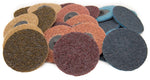
2" Surface Conditioning Quick Change Discs - 25 Pack
Original price $0.00 - Original price $0.00Original price $0.00$18.89$18.89 - $18.89Current price $18.89Product Specification Shipping Refund Product Specification 2" SURFACE CONDITIONING QUICK CHANGE DISCS - 25 PACK Benchmark Abrasives 2" surface ...
View full detailsOriginal price $0.00 - Original price $0.00Original price $0.00$18.89$18.89 - $18.89Current price $18.89 -

4-1/2" X 7/8" Surface Conditioning Flap Disc Type 27 (Flat Face)
Original price $5.97 - Original price $5.97Original price$5.97$5.97 - $5.97Current price $5.97Product Specification Shipping Refund Product Specification 4-1/2" X 7/8" SURFACE CONDITIONING FLAP DISC TYPE 27 (FLAT FACE) Benchmark Abrasive...
View full detailsOriginal price $5.97 - Original price $5.97Original price$5.97$5.97 - $5.97Current price $5.97 -

4-1/2" X 7/8" Long Life Paint & Rust Stripping Cup Wheel - 1 Piece
Original price $0.00 - Original price $0.00Original price $0.00$4.92$4.92 - $4.92Current price $4.92Product Specification Shipping Refund Product Specification 4-1/2" X 7/8" LONG LIFE PAINT & RUST STRIPPING CUP WHEEL - 1 PIECE The Benchmark...
View full detailsOriginal price $0.00 - Original price $0.00Original price $0.00$4.92$4.92 - $4.92Current price $4.92 -

3" Surface Conditioning Quick Change Discs - 25 Pack
Original price $0.00 - Original price $0.00Original price $0.00$28.34$28.34 - $28.34Current price $28.34Product Specification Shipping Refund Product Specification 3" SURFACE CONDITIONING QUICK CHANGE DISCS - 25 PACK Benchmark Abrasives 3" surface ...
View full detailsOriginal price $0.00 - Original price $0.00Original price $0.00$28.34$28.34 - $28.34Current price $28.34 -

4-1/2" X 7/8" Extra Coarse Paint & Rust Stripping Cup Wheel - 1 Piece
Original price $0.00 - Original price $0.00Original price $0.00$5.34$5.34 - $5.34Current price $5.34Product Specification Shipping Refund Product Specification 4-1/2" X 7/8" EXTRA COARSE PAINT & RUST STRIPPING CUP WHEEL - 1 PIECE The Benchm...
View full detailsOriginal price $0.00 - Original price $0.00Original price $0.00$5.34$5.34 - $5.34Current price $5.34 -

4-1/2" X 7/8" Surface Conditioning Flap Disc Type 29 (Angled Face)
Original price $5.97 - Original price $5.97Original price$5.97$5.97 - $5.97Current price $5.97Product Specification Shipping Refund Product Specification 4-1/2" X 7/8" SURFACE CONDITIONING FLAP DISC TYPE 29 (ANGLED FACE) Benchmark Abrasi...
View full detailsOriginal price $5.97 - Original price $5.97Original price$5.97$5.97 - $5.97Current price $5.97 -

4-1/2" X 7/8" Paint & Rust Stripping Cup Wheel - 10 Pack
Original price $0.00 - Original price $0.00Original price $0.00$43.04$43.04 - $43.04Current price $43.04Product Specification Shipping Refund Product Specification 4-1/2" X 7/8" PAINT & RUST STRIPPING CUP WHEEL - 10 PACK The Benchmark Abrasives...
View full detailsOriginal price $0.00 - Original price $0.00Original price $0.00$43.04$43.04 - $43.04Current price $43.04 -

2" Premium Surface Conditioning Quick Change Discs - 50 Pack
Original price $0.00 - Original price $0.00Original price $0.00$37.79$37.79 - $37.79Current price $37.79Product Specification Shipping Refund Product Specification 2" PREMIUM SURFACE CONDITIONING QUICK CHANGE DISCS - 50 PACK Benchmark Abrasives 2" ...
View full detailsOriginal price $0.00 - Original price $0.00Original price $0.00$37.79$37.79 - $37.79Current price $37.79 -

2" Quick Change Surface Preparation Wheels - Fine - 10 Pack
Original price $17.31 - Original price $17.31Original price$17.31$17.31 - $17.31Current price $17.31Product Specification Shipping Refund Product Specification 2" QUICK CHANGE SURFACE PREPARATION WHEELS - FINE - 10 PACK Benchmark Abrasives 2" q...
View full detailsOriginal price $17.31 - Original price $17.31Original price$17.31$17.31 - $17.31Current price $17.31 -

4-1/2" x 7/8" Surface Preparation Wheel
Original price $5.55 - Original price $5.55Original price$5.55$5.55 - $5.55Current price $5.55Product Specification Shipping Refund Product Specification 4-1/2" X 7/8" SURFACE PREPARATION WHEEL Benchmark Abrasives 4-1/2" x 7/8" surface pr...
View full detailsOriginal price $5.55 - Original price $5.55Original price$5.55$5.55 - $5.55Current price $5.55 -

2" Premium Purple Extra Coarse Quick Change Stripper Discs - 5 Pack
Original price $9.44 - Original price $9.44Original price$9.44$9.44 - $9.44Current price $9.44Product Specification Shipping Refund Product Specification 2" PREMIUM PURPLE EXTRA COARSE QUICK CHANGE STRIPPER DISCS - 5 PACK The Benchmark Ab...
View full detailsOriginal price $9.44 - Original price $9.44Original price$9.44$9.44 - $9.44Current price $9.44 -

3" Premium Purple Extra Coarse Quick Change Stripper Discs - 5 Pack
Original price $13.64 - Original price $13.64Original price$13.64$13.64 - $13.64Current price $13.64Product Specification Shipping Refund Product Specification 3" PREMIUM PURPLE EXTRA COARSE QUICK CHANGE STRIPPER DISCS - 5 PACK The Benchmark Ab...
View full detailsOriginal price $13.64 - Original price $13.64Original price$13.64$13.64 - $13.64Current price $13.64 -

2" Long Life Quick Change Stripper Discs - 5 Pack
Original price $8.39 - Original price $8.39Original price$8.39$8.39 - $8.39Current price $8.39Product Specification Shipping Refund Product Specification 2" LONG LIFE QUICK CHANGE STRIPPER DISCS - 5 PACK The Benchmark Abrasives 2" long li...
View full detailsOriginal price $8.39 - Original price $8.39Original price$8.39$8.39 - $8.39Current price $8.39 -

3" Premium Surface Conditioning Quick Change Discs - 25 Pack
Original price $0.00 - Original price $0.00Original price $0.00$32.54$32.54 - $32.54Current price $32.54Product Specification Shipping Refund Product Specification 3" PREMIUM SURFACE CONDITIONING QUICK CHANGE DISCS - 25 PACK Benchmark Abrasives 3"...
View full detailsOriginal price $0.00 - Original price $0.00Original price $0.00$32.54$32.54 - $32.54Current price $32.54 -

5" Hook & Loop Surface Conditioning Discs - 10 Pack
Original price $22.04 - Original price $24.14Original price$22.04 - $24.14$22.04 - $24.14Current price $22.04Product Specification Shipping Refund Product Specification 5" HOOK & LOOP SURFACE CONDITIONING DISCS - 10 PACK Benchmark Abrasives 5" hook...
View full detailsOriginal price $22.04 - Original price $24.14Original price$22.04 - $24.14$22.04 - $24.14Current price $22.04 -

2" Quick Change Surface Preparation Wheels - Very Fine Silicon Carbide - 10 Pack
Original price $17.31 - Original price $17.31Original price$17.31$17.31 - $17.31Current price $17.31Product Specification Shipping Refund Product Specification 2" QUICK CHANGE SURFACE PREPARATION WHEELS - VERY FINE SILICON CARBIDE - 10 PACK Ben...
View full detailsOriginal price $17.31 - Original price $17.31Original price$17.31$17.31 - $17.31Current price $17.31 -

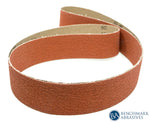
2" x 72" Surface Conditioning Sanding Belt
Original price $22.04 - Original price $24.14Original price$22.04 - $24.14$22.04 - $24.14Current price $22.04Product Specification Shipping Refund Product Specification 2" X 72" SURFACE CONDITIONING SANDING BELT The Benchmark Abrasives 2" x 72" surface ...
View full detailsOriginal price $22.04 - Original price $24.14Original price$22.04 - $24.14$22.04 - $24.14Current price $22.04 -

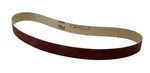
1" x 30" Surface Conditioning (Non-Woven) Sanding Belt
Original price $6.50 - Original price $7.55Original price$6.50 - $7.55$6.50 - $7.55Current price $6.50Product Specification Shipping Refund Product Specification 1" X 30" SURFACE CONDITIONING NON-WOVEN SANDING BELT The Benchmark Abrasives 1" x 30...
View full detailsOriginal price $6.50 - Original price $7.55Original price$6.50 - $7.55$6.50 - $7.55Current price $6.50 -

2" Quick Change Stripper Discs - 10 Pack
Original price $0.00 - Original price $0.00Original price $0.00$15.74$15.74 - $15.74Current price $15.74Product Specification Shipping Refund Product Specification 2" QUICK CHANGE STRIPPER DISCS - 10 PACK The Benchmark Abrasives 2" quick change str...
View full detailsOriginal price $0.00 - Original price $0.00Original price $0.00$15.74$15.74 - $15.74Current price $15.74 -

3" Long Life Quick Change Stripper Discs - 5 Pack
Original price $12.59 - Original price $12.59Original price$12.59$12.59 - $12.59Current price $12.59Product Specification Shipping Refund Product Specification 3" LONG LIFE QUICK CHANGE STRIPPER DISCS - 5 PACK The Benchmark Abrasives 3" long li...
View full detailsOriginal price $12.59 - Original price $12.59Original price$12.59$12.59 - $12.59Current price $12.59 -

3" Quick Change Stripper Discs - 10 Pack
Original price $0.00 - Original price $0.00Original price $0.00$22.04$22.04 - $22.04Current price $22.04Product Specification Shipping Refund Product Specification 3" QUICK CHANGE STRIPPER DISCS - 10 PACK The Benchmark Abrasives 3" quick change str...
View full detailsOriginal price $0.00 - Original price $0.00Original price $0.00$22.04$22.04 - $22.04Current price $22.04 -

3" Quick Change Surface Preparation Wheels - Fine - 5 Pack
Original price $17.31 - Original price $17.31Original price$17.31$17.31 - $17.31Current price $17.31Product Specification Shipping Refund Product Specification 3" QUICK CHANGE SURFACE PREPARATION WHEELS - FINE - 5 PACK Benchmark Abrasives 3" qu...
View full detailsOriginal price $17.31 - Original price $17.31Original price$17.31$17.31 - $17.31Current price $17.31 -

1" x 1" (1/4" shaft) Interleaf Flap Wheel - 10 pack
Original price $0.00 - Original price $0.00Original price $0.00$20.99$20.99 - $20.99Current price $20.99Product Specification Shipping Refund Product Specification 1" X 1" (1/4" SHAFT) INTERLEAF FLAP WHEEL - 10 PACK The 1" x 1" interleaf flap wh...
View full detailsOriginal price $0.00 - Original price $0.00Original price $0.00$20.99$20.99 - $20.99Current price $20.99


Non-Woven Abrasives for Cleaning, Blending, and Finishing Metal
A grinder can flatten a weld, but it leaves lines, heat tint, and sharp edges behind. A nylon abrasive web handles the next step. It cleans, blends, scuffs, and refines a surface without cutting deep into the part.
This page covers the whole family of non woven abrasives: hand pads, quick-change discs, hook-and-loop discs, flap discs, and unitized discs. It also explains grade names and color codes, the two things buyers misread most often, so you can match grade, format, and holder before you order.
Benchmark Abrasives has supplied industrial-grade abrasives for more than 25 years to fabricators, contractors, woodworkers, and serious home workshops.
How Non-Woven Abrasives Condition a Surface
A coated abrasive fixes mineral to a flat backing. In a nonwoven abrasive, mineral and resin are spread through a three-dimensional web of nylon fibers. That open structure gives controlled surface work instead of aggressive grinding.
The web follows curves, edges, and fillet welds, so it is less likely to gouge one spot than a rigid disc. Gaps between the fibers let dust, oxidation, and old coating escape. As the web wears, it exposes fresh mineral and keeps the action consistent.
Blending, Cleaning, and Refinement
Surface conditioning improves the surface you have instead of reshaping the part. It removes light contamination, softens grinder marks, and leaves an even scratch pattern. That matters when a flat spot or a changed edge profile would create more finishing work.
On a weld, a surface conditioning disc clears discoloration, blends the weld into the base metal, and leaves a uniform matte look. It conforms around tubing, corners, and formed parts where a flat-backed disc cuts unevenly. On stainless steel, that restraint helps protect the finish.
Common Surface Conditioning Applications
Fabricators reach for these products after the main grinding is done. They also soften small burrs without rounding the whole part. Typical jobs include:
- Weld blending and scratch pattern refinement
- Light deburring on metal edges
- Oxidation, light rust, and paint residue cleanup
- Scuffing before paint or powder coating
- Brushed or satin finishing on stainless steel
A coarse grade cleans and blends faster. Finer grades refine the scratch pattern for a satin-ready surface. The right grade keeps the job moving without cutting marks you must remove later.
When You Need a More Aggressive Abrasive
Nylon web is not a stock removal tool. Heavy rust, mill scale, thick paint, and hardened coatings call for something more aggressive, and forcing a finishing disc through them loads the web before the surface is clean.
For thick coatings or heavy corrosion, start with a strip disc. Use a conventional flap disc for weld grinding and edge shaping. Once the surface is close to its final profile, switch back to nylon web for blending and finish work.
Non-Woven Abrasive Grades and Color Codes, Explained
Non-woven grades describe cleaning action and finish, not one fixed sandpaper grit number. Our listings use plain names: coarse, medium, fine, and very fine. Pick the grade from the starting condition of the part and the look you need at the end.
- Coarse: Handles heavier cleaning, oxidation removal, weld blending, and visible scratch lines. It does not replace a grinding wheel.
- Medium: Suits general prep and cleaning before paint, powder coating, or another finishing step. It is the usual bridge between cleaning and refining.
- Fine and very fine: Suit light scuffing, scratch refinement, and satin finishing on a surface already in good shape.
Our quick-change and hook-and-loop listings show tan at 60 to 80 grit, maroon at 100 to 150, and blue or green at 320 to 400. Treat those numbers as reference points for comparing grades, not as standard sandpaper designations.
Color Is Shop Shorthand, Not a Specification
Color helps you pick fast, but it does not define a grade. A maroon scuff pad from one maker can differ from another in mineral, density, and finish. Even in our own catalog, maroon sits at different points on the scale. On our hand pads it is 340 to 400 grit. On our quick-change discs it is the medium grade at 100 to 150. On our 2 inch and 3 inch surface preparation wheels it is the fine grade at about 150.
Read the grade name, mineral, and grit range on the listing before you swap one pad for another, and before you change brands. That one check prevents a scratch pattern that is too coarse for the next step.
Our 6 by 9 inch nonwoven hand pads come in six colors. This chart shows what each one is, from coarsest to finest.
| Color | Abrasive | Approximate grit | Best use |
|
Tan |
Aluminum oxide |
120 |
Aluminum, stainless steel, and stripping |
|
Black |
Aluminum oxide |
150 |
Heavy duty cleaning |
|
Green |
Aluminum oxide |
240 |
Removing corrosion and rust buildup |
|
Maroon |
Aluminum oxide |
340 to 400 |
Cleaning and finishing |
|
Grey |
Silicon carbide |
800 to 1000 |
Cleaning and finishing |
|
White |
None (no abrasive grain) |
Not applicable |
Polishing and light cleaning |
The same listing offers a variety pack with one pad of each grit.
Mineral matters too. Aluminum oxide handles general cleaning, blending, and prep, and our tan, black, green, and maroon pads use it. Silicon carbide suits finer finishing, and our grey pads and very fine wheels use it. Weigh the mineral together with the grade, the material, and the finish you want.
A Typical Grade Sequence
On a fabricated steel part, work from coarse to fine:
- Coarse pass: Remove light oxidation or blend visible grinder marks.
- Medium pass: Even out the surface and prepare it for coating.
- Fine pass: Refine scratches and leave a uniform scuff.
- Very fine pass: Add a satin or matte finish when the part calls for one.
Starting with a fine pad on a rough surface adds time, because it cannot clear deep marks efficiently. Settle the grade and finish first, then choose the format.
Choose the Right Format for Your Tool and Job
Format controls access, tool choice, edge control, and how much pressure you can apply. Grade controls the scratch pattern. Pick the format that fits the part and the tool, then the grade.
| Format | Attaches with | Max RPM on our listings | Best for |
|
Hand pads (6 by 9 inch) |
By hand |
Not applicable |
Contours, corners, and manual scuffing |
|
Quick-change discs (1-1/2 to 3 inch) |
Type R holder, sold separately |
Up to 25,000, by size |
Small welds, brackets, and tight areas |
|
Hook-and-loop discs (5 and 7 inch) |
Padded backing pad, sold separately |
12,000 (5 inch), 6,000 (7 inch) |
Broad panels and larger weld zones |
|
Surface conditioning flap discs (4-1/2 inch) |
7/8 inch arbor on a right angle grinder |
13,300 |
Weld cleanup and blending over wider areas |
|
Unitized discs (2, 3, and 4-1/2 inch) |
Type R holder or 7/8 inch arbor |
13,300 to 25,000, by size |
Edge cleanup and firmer finishing |
Hand Pads for Contours, Corners, and Manual Scuffing
Hand pads suit contours, corners, jambs, tubing, and narrow spots where a grinder will not fit. The flexible web follows the part, and you set the pressure by hand. Our non woven hand pads work dry or with water or solvents, and you can cut them to size.
Use one around body lines, inside edges, and formed metal. Pads also remove light oxidation and residue before paint or coating. When only a small area needs prep and the surrounding finish must stay intact, a pad is the safer tool. For repeated localized blending, a small powered disc is faster.
Quick-Change Discs for Tight Powered Work
Our quick-change discs run on die grinders and hand-held pneumatic grinders, and they reach areas a larger disc cannot control. Every non-woven quick-change disc we sell uses a Type R fastening system, so grade changes take seconds during a finishing sequence. Sizes run from 1-1/2 to 4 inches.
They work on weld seams, inside corners, brackets, and pipe connections. Use one to clear light oxidation, blend a local scratch pattern, or prepare a small section for coating. The small diameter gives you control near edges and limits contact with surrounding material. For larger panels, step up to a hook-and-loop disc or a flap disc.
Hook-and-Loop and Flap Discs for Wider Coverage
Hook-and-loop discs in 5 and 7 inch sizes attach to a padded backing pad. The pad supports the disc across its full diameter, which helps it run evenly on broad panels and flat surfaces. Our surface conditioning collection also includes 4-1/2 inch flap discs in Type 27 flat face and Type 29 angled face.
A surface conditioning flap disc pairs non-woven web with a flap-disc format. It covers more area than a quick-change disc and follows mild contours. Use it after a conventional grinding disc brings a weld close to profile, to blend the transition and remove remaining grinder marks. Our listing describes the result as a brushed or lightly grained finish, which suits stainless steel.
Unitized Discs for Firmer Edge Control
Unitized discs use compressed, bonded non-woven nylon, so they are denser and firmer than a standard conditioning disc. Ours come in a 2S Fine silicon carbide grade for controlled finishing after heavier grinding, especially on stainless steel.
The line includes 2 inch and 3 inch Type R quick-change versions and a 4-1/2 inch Type 27 disc with a fiberglass-reinforced backing. Use one to refine a surface after weld leveling and before polishing. The 4-1/2 inch listing says it is not meant for heavy weld removal or aggressive grinding.
This page is the broader guide to the material family, and each collection page carries the sizes and options for its format. The full line also includes surface conditioning belts, spiral bands, flap wheels, and convolute deburring wheels.
Add your pads and discs to the cart.
Match Quick-Change Discs, Backing Pads, and Tool Speed
A disc can look right and still not fit the holder or the tool. Attachment, diameter, and maximum RPM must all match before you mount it. Do not run a disc that fits loosely, uses the wrong connection, or exceeds a marked speed limit.
Identify the Attachment System First
Quick-change discs come in several attachment styles, and styles are not interchangeable across brands. Every non-woven quick-change disc we sell uses Type R, and each listing names the holder it needs. A 2 inch disc needs a 2 inch Type R holder. We call the holder a mandrel, and it is sold separately.
A threaded plastic, twist-lock, or snap-on disc from another system can look similar yet will not mount to a Type R holder. Match the disc attachment to the holder specification, not to the disc size or appearance. If you are unsure, call us at 877-841-1837 before you order.
Use a Backing Pad for Larger Discs
Hook-and-loop discs use a different setup. The loop side of the disc attaches to the hook side of a backing pad, and the pad mounts on an angle grinder. Our 5 inch padded backing pad has 5/8-11 threads and a foam layer between the hooks and the threads.
Do not adapt a hook-and-loop disc to a quick-change holder, and do not force a quick-change disc onto a larger pad. The attachment and the pad support are part of the intended assembly.
Follow the Lowest Maximum RPM
Larger discs travel faster at the edge than small discs turning at the same RPM, so they carry lower limits. On our listings, 2 inch quick-change discs are rated to 25,000 RPM, 3 inch unitized quick-change discs to 15,000, 5 inch hook-and-loop discs to 12,000, and 7 inch hook-and-loop discs to 6,000. Read the rating on all three parts before you start:
- The abrasive disc
- The holder or backing pad (our 5 inch padded backing pad is rated 10,000 RPM, below the 12,000 rating of the 5 inch discs)
- The die grinder, angle grinder, or other power tool
Run the assembly at the lowest rating among them. A rating is a ceiling, not a target. Our 4-1/2 inch surface conditioning flap disc lists 13,300 RPM as the maximum and 4,000 to 5,000 RPM as the optimal range. Replace any part that is damaged, worn, unmarked, or rated below your tool's speed.
Light Pressure Keeps the Web Cutting
Non-woven products work by controlled contact. Too much pressure compresses the web. Heat from high speed or dwelling in one spot can glaze the resin, load the abrasive, and smear nylon onto some materials. Keep the abrasive moving and let the web do the work.
For most jobs, follow this sequence:
- Start light: Begin with the least aggressive grade that removes the marks or contamination.
- Overlap passes: Use light to moderate pressure and keep the disc or pad moving.
- Check often: Stop to inspect the scratch pattern and the surface temperature.
- Step up gradually: Move to a finer grade only after the scratch pattern is uniform.
When a disc glazes or loads, fix the technique first with lighter pressure, less heat, and steady motion. If it still cuts unevenly, replace it. For paint prep, follow the coating maker's instructions, and clean all residue and debris off the surface before you apply a coating.
Why Buy Non-Woven Abrasives From Benchmark
We bring more than 25 years of abrasives experience to fabricators, contractors, woodworkers, and serious home workshops. Our catalog gives you industrial-grade abrasives without the usual distributor markup.
We source direct and sell online. Depending on the product and quantity, you can save up to 60% compared with traditional retail pricing. Most in-stock orders ship within 24 hours from our Arizona warehouse, though availability can change.
Price is only part of the choice. The product still has to match the part, the tool, the holder, the speed rating, and the finish. When the choice is not obvious, such as hand pad versus flap disc or which grade to use on stainless steel, call us and we will help you narrow it down.
Frequently Asked Questions About Non-Woven Abrasives
What are non-woven abrasives used for?
They clean, blend, lightly deburr, scuff, and refine surfaces without the deep cut of a grinding wheel. Common jobs include blending weld discoloration, removing light oxidation, prepping metal for paint or powder coating, and creating a satin or matte finish.
What grade is a maroon scuff pad?
On our hand pads, maroon is aluminum oxide at 340 to 400 grit, used for cleaning and finishing. On our quick-change discs, maroon is the medium grade. Color is not a universal standard, so check the grade and grit range on the listing.
Are surface conditioning discs the same as flap discs?
No. Surface conditioning discs use a non-woven nylon web for controlled cleaning, blending, and finish work. Conventional flap discs use layered coated abrasive for grinding and stock removal. Use a flap disc to shape the weld, then switch to a conditioning product to remove grinder lines.
Can non-woven abrasive discs remove rust or paint?
They remove light rust, oxidation, residue, and light paint when the base metal is sound. Heavy rust, mill scale, thick paint, and hardened coatings need a strip disc or another aggressive abrasive first.
Will a Type R disc fit every quick-change holder?
No. A Type R disc fits only a Type R holder in the same diameter. Match the attachment type to the holder specification, then confirm that the disc, holder, and tool all meet the same RPM limit.
Why is my nylon abrasive disc smearing or not cutting?
The usual causes are too much pressure, excess heat, holding the disc in one spot, or contamination too heavy for the product. A loaded web cannot release debris or expose fresh mineral. Use lighter pressure, keep it moving, and replace the disc if it still cuts unevenly.
Pick the Grade, Format, and Holder Together
Good results with non woven abrasives come from three choices: the grade for the finish, the format for access, and the holder and speed rating for your tool. Get those right and the web cleans and blends without extra correction.
Order your non-woven abrasives today.
Call 877-841-1837 with any product question.