




























Sanding Belts
-

-

-

-

-

-

-

-

-

-

-

-

-

-
-

-

-


-

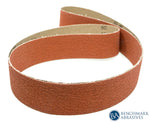
1/2" x 18" Ceramic Sanding Belt
Original price $1.72 - Original price $2.14Original price$1.72 - $2.14$1.72 - $2.14Current price $1.72Product Specification Shipping Refund Product Specification 1/2" X 18" CERAMIC SANDING BELT The Benchmark Abrasives 1/2" x 18" ceramic sanding b...
View full detailsOriginal price $1.72 - Original price $2.14Original price$1.72 - $2.14$1.72 - $2.14Current price $1.72 -

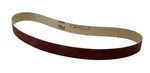
1/2" x 18" Zirconia Sanding Belt
Original price $1.46 - Original price $1.62Original price$1.46 - $1.62$1.46 - $1.62Current price $1.46Product Specification Shipping Refund Product Specification 1/2" X 18" ZIRCONIA SANDING BELT The Benchmark Abrasives 1/2" x 18" zirconia sanding...
View full detailsOriginal price $1.46 - Original price $1.62Original price$1.46 - $1.62$1.46 - $1.62Current price $1.46 -

2" x 72" Aluminum Oxide Sanding Belt
Original price $3.14 - Original price $3.35Original price$3.14 - $3.35$3.14 - $3.35Current price $3.14Product Specification Shipping Refund Product Specification 2" X 72" ALUMINUM OXIDE SANDING BELT The Benchmark Abrasives 2" x 72" aluminum oxide...
View full detailsOriginal price $3.14 - Original price $3.35Original price$3.14 - $3.35$3.14 - $3.35Current price $3.14 -

2" x 72" Ceramic Sanding Belt
Original price $8.07 - Original price $9.96Original price$8.07 - $9.96$8.07 - $9.96Current price $8.07Product Specification Shipping Refund Product Specification 2" X 72" CERAMIC SANDING BELT The Benchmark Abrasives 2" x 72" ceramic sanding belt ...
View full detailsOriginal price $8.07 - Original price $9.96Original price$8.07 - $9.96$8.07 - $9.96Current price $8.07 -

6" x 48" Zirconia Sanding Belt
Original price $11.01 - Original price $15.21Original price$11.01 - $15.21$11.01 - $15.21Current price $11.01Product Specification Shipping Refund Product Specification 6" X 48" ZIRCONIA SANDING BELT The Benchmark Abrasives 6" x 48" zirconia sanding bel...
View full detailsOriginal price $11.01 - Original price $15.21Original price$11.01 - $15.21$11.01 - $15.21Current price $11.01 -

6" x 48" Ceramic Sanding Belt
Original price $14.16 - Original price $19.41Original price$14.16 - $19.41$14.16 - $19.41Current price $14.16Product Specification Shipping Refund Product Specification 6" X 48" CERAMIC SANDING BELT The Benchmark Abrasives 6" x 48" ceramic sanding belt ...
View full detailsOriginal price $14.16 - Original price $19.41Original price$14.16 - $19.41$14.16 - $19.41Current price $14.16 -

6" x 48" Aluminum Oxide Sanding Belt
Original price $6.39 - Original price $7.65Original price$6.39 - $7.65$6.39 - $7.65Current price $6.39Product Specification Shipping Refund Product Specification 6" X 48" ALUMINUM OXIDE SANDING BELT The Benchmark Abrasives 6" x 48" aluminum oxide...
View full detailsOriginal price $6.39 - Original price $7.65Original price$6.39 - $7.65$6.39 - $7.65Current price $6.39 -

4" x 36" Aluminum Oxide Sanding Belt
Original price $3.24 - Original price $3.24Original price$3.24$3.24 - $3.24Current price $3.24Product Specification Shipping Refund Product Specification 4" X 36" ALUMINUM OXIDE SANDING BELT The Benchmark Abrasives 4" x 36" aluminum oxide...
View full detailsOriginal price $3.24 - Original price $3.24Original price$3.24$3.24 - $3.24Current price $3.24 -

1/2" x 18" Aluminum Oxide Sanding Belt
Original price $1.09 - Original price $1.09Original price$1.09$1.09 - $1.09Current price $1.09Product Specification Shipping Refund Product Specification 1/2" X 18" ALUMINUM OXIDE SANDING BELT The Benchmark Abrasives 1/2" x 18" aluminum o...
View full detailsOriginal price $1.09 - Original price $1.09Original price$1.09$1.09 - $1.09Current price $1.09 -

4" x 36" Ceramic Sanding Belt
Original price $8.18 - Original price $9.96Original price$8.18 - $9.96$8.18 - $9.96Current price $8.18Product Specification Shipping Refund Product Specification 4" X 36" CERAMIC SANDING BELT The Benchmark Abrasives 4" x 36" ceramic sanding belt ...
View full detailsOriginal price $8.18 - Original price $9.96Original price$8.18 - $9.96$8.18 - $9.96Current price $8.18 -

1" x 30" Aluminum Oxide Sanding Belt
Original price $1.62 - Original price $1.62Original price$1.62$1.62 - $1.62Current price $1.62Product Specification Shipping Refund Product Specification 1" X 30" ALUMINUM OXIDE SANDING BELT The Benchmark Abrasives 1" x 30" aluminum oxide...
View full detailsOriginal price $1.62 - Original price $1.62Original price$1.62$1.62 - $1.62Current price $1.62 -

1" x 30" Ceramic Sanding Belt
Original price $3.03 - Original price $3.03Original price$3.03$3.03 - $3.03Current price $3.03Product Specification Shipping Refund Product Specification 1" X 30" CERAMIC SANDING BELT The Benchmark Abrasives 1" x 30" ceramic sanding belt ...
View full detailsOriginal price $3.03 - Original price $3.03Original price$3.03$3.03 - $3.03Current price $3.03 -

4" x 36" Zirconia Sanding Belt
Original price $5.97 - Original price $6.60Original price$5.97 - $6.60$5.97 - $6.60Current price $5.97Product Specification Shipping Refund Product Specification 4" X 36" ZIRCONIA SANDING BELT The Benchmark Abrasives 4" x 36" zirconia sanding bel...
View full detailsOriginal price $5.97 - Original price $6.60Original price$5.97 - $6.60$5.97 - $6.60Current price $5.97 -

3/8" x 13" Ceramic Sanding Belt
Original price $1.67 - Original price $1.67Original price$1.67$1.67 - $1.67Current price $1.67Product Specification Shipping Refund Product Specification 3/8" X 13" CERAMIC SANDING BELT The Benchmark Abrasives 3/8" x 13" ceramic sanding b...
View full detailsOriginal price $1.67 - Original price $1.67Original price$1.67$1.67 - $1.67Current price $1.67 -

3/8" x 13" Zirconia Sanding Belt
Original price $1.41 - Original price $1.41Original price$1.41$1.41 - $1.41Current price $1.41Product Specification Shipping Refund Product Specification 3/8" X 13" ZIRCONIA SANDING BELT The Benchmark Abrasives 3/8" x 13" zirconia sanding...
View full detailsOriginal price $1.41 - Original price $1.41Original price$1.41$1.41 - $1.41Current price $1.41 -

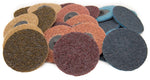
2" x 72" Surface Conditioning Sanding Belt
Original price $22.04 - Original price $24.14Original price$22.04 - $24.14$22.04 - $24.14Current price $22.04Product Specification Shipping Refund Product Specification 2" X 72" SURFACE CONDITIONING SANDING BELT The Benchmark Abrasives 2" x 72" surface ...
View full detailsOriginal price $22.04 - Original price $24.14Original price$22.04 - $24.14$22.04 - $24.14Current price $22.04 -

2" x 72" Zirconia Sanding Belt
Original price $5.97 - Original price $6.50Original price$5.97 - $6.50$5.97 - $6.50Current price $5.97Product Specification Shipping Refund Product Specification 2" X 72" ZIRCONIA SANDING BELT The Benchmark Abrasives 2" x 72" zirconia sanding bel...
View full detailsOriginal price $5.97 - Original price $6.50Original price$5.97 - $6.50$5.97 - $6.50Current price $5.97 -

2" x 48" Ceramic Sanding Belt
Original price $4.82 - Original price $6.08Original price$4.82 - $6.08$4.82 - $6.08Current price $4.82Product Specification Shipping Refund Product Specification 2" X 48" CERAMIC SANDING BELT The Benchmark Abrasives 2" x 48" ceramic sanding belt ...
View full detailsOriginal price $4.82 - Original price $6.08Original price$4.82 - $6.08$4.82 - $6.08Current price $4.82 -

1" x 30" Surface Conditioning (Non-Woven) Sanding Belt
Original price $6.50 - Original price $7.55Original price$6.50 - $7.55$6.50 - $7.55Current price $6.50Product Specification Shipping Refund Product Specification 1" X 30" SURFACE CONDITIONING NON-WOVEN SANDING BELT The Benchmark Abrasives 1" x 30...
View full detailsOriginal price $6.50 - Original price $7.55Original price$6.50 - $7.55$6.50 - $7.55Current price $6.50 -

1" x 42" Aluminum Oxide Sanding Belt
Original price $1.72 - Original price $1.93Original price$1.72 - $1.93$1.72 - $1.93Current price $1.72Product Specification Shipping Refund Product Specification 1" X 42" ALUMINUM OXIDE SANDING BELT The Benchmark Abrasives 1" x 42" aluminum oxide...
View full detailsOriginal price $1.72 - Original price $1.93Original price$1.72 - $1.93$1.72 - $1.93Current price $1.72 -

2" x 42" Ceramic Sanding Belt
Original price $4.29 - Original price $5.66Original price$4.29 - $5.66$4.29 - $5.66Current price $4.29Product Specification Shipping Refund Product Specification 2" X 42" CERAMIC SANDING BELT The Benchmark Abrasives 2" x 42" ceramic sanding belt ...
View full detailsOriginal price $4.29 - Original price $5.66Original price$4.29 - $5.66$4.29 - $5.66Current price $4.29 -

2" x 42" Aluminum Oxide Sanding Belt
Original price $2.25 - Original price $2.25Original price$2.25$2.25 - $2.25Current price $2.25Product Specification Shipping Refund Product Specification 2" X 42" ALUMINUM OXIDE SANDING BELT The Benchmark Abrasives 2" x 42" Aluminum Oxide...
View full detailsOriginal price $2.25 - Original price $2.25Original price$2.25$2.25 - $2.25Current price $2.25 -

USA Made Sanding Belt & Disc Cleaning Stick
Original price $26.24 - Original price $26.24Original price$26.24$26.24 - $26.24Current price $26.24Product Specification Shipping Refund Product Specification USA MADE SANDING BELT & DISC CLEANING STICK The Benchmark Abrasives sanding belt...
View full detailsOriginal price $26.24 - Original price $26.24Original price$26.24$26.24 - $26.24Current price $26.24 -

1" x 42" Ceramic Sanding Belt
Original price $3.14 - Original price $3.56Original price$3.14 - $3.56$3.14 - $3.56Current price $3.14Product Specification Shipping Refund Product Specification 1" X 42" CERAMIC SANDING BELT The Benchmark Abrasives 1" x 42" ceramic sanding belt ...
View full detailsOriginal price $3.14 - Original price $3.56Original price$3.14 - $3.56$3.14 - $3.56Current price $3.14


Sanding Belts Collection for Wood and Metal
Choosing a belt for your sander comes down to three things: abrasive material, size, and grit. Our sanding belts collection covers all three, with aluminum oxide, zirconia, and ceramic belts in sizes from 3/8" x 13" up to 6" x 48". Orders of $100 or more ship free to the lower 48 states.
Add your belts to the cart and check out when you are ready.
Pick the Right Abrasive for Your Material
Start with what you are sanding and how hard you plan to push. The grain you choose sets how fast the belt cuts and how long it lasts.
Aluminum Oxide for General Wood and Metal Work
Aluminum oxide is the all-purpose grain. It gives a steady, controllable cut on bare wood, old finish, paint, and light metal deburring. Shop aluminum oxide sanding belts for everyday shop jobs and final finishing.
Zirconia for Heavy Stock Removal and Steel
Zirconia cuts faster and lasts longer than aluminum oxide when you lean on it. It suits steel, weld cleanup, and shaping dense hardwoods. Choose zirconia sanding belts when you need to take off a lot of material.
Ceramic for the Hardest Metals and High Pressure
Ceramic is the top performer on stainless steel, hardened metals, and heavy-pressure grinding. It runs cooler and stays sharp longer. Step up to ceramic sanding belts for your most demanding work.
One caution: zirconia and ceramic need firm pressure and a powerful machine to work as intended. On a light-duty sander, aluminum oxide is often the better fit.
Match Sanding Belt Sizes to Your Belt Sander
Belt size is written as width by length, such as 4" x 36". The length has to match your machine exactly so the belt tensions and tracks correctly. Find your size in one of three places:
- Tool label or manual: Look for the belt size near the model number or in the specifications.
- Your old belt: The size is usually printed on the inside of the belt.
- The machine itself: Measure the platen width. A belt can be a little narrower than the platen, but not wider.
Once you know your size, use the size collections in the menu to shop it directly. They run from 3/8" x 13" through 6" x 48", including 1" x 30", 2" x 72", and 4" x 36".
Choose a Grit by Job: Coarse, Medium, or Fine
Lower numbers cut faster and leave deeper scratches. Higher numbers cut slower and leave a smoother surface.
- Coarse (24 to 60 grit): Heavy stock removal, shaping, and stripping paint or old finish.
- Medium (80 to 120 grit): Leveling and general surface prep on wood or metal.
- Fine (150 grit and up): Smoothing and blending before you finish or paint.
On wood, work up in steps, such as 80 grit, then 120, then 180. Skipping a step leaves deep scratches that the next belt has to work harder to remove.
Complete Your Belt Sanding Setup
Replacing one belt is simple when you know the exact grit. If a project moves through several stages, or you want spares on hand, these related collections can help:
- Belt kits: Mixed grits in one order for a single project.
- Accessories: Cleaning and setup items that help belts cut longer.
- Sanding machines: Sanders that accept the belt sizes above.
Why Buy Sanding Belts From Benchmark Abrasives?
We have supplied industrial abrasives for more than 25 years. We sell direct, so you get industrial-grade belts without the big-brand markup. Two promises back every order:
-
Free shipping: Orders of $100 or more ship free within the lower 48 states. Smaller orders ship for a flat $10.
-
Money-back guarantee: Ordered the wrong size? Request a return authorization within 30 days of your invoice date. We process your refund once we receive and check the new, unused belts. If a belt is defective, we replace it.
Sanding Belt Questions
What size sanding belt do I need?
Check your sander label, manual, or the size printed on a belt that already fits. Confirm both width and length before you order, since a belt that is off by even an inch will not track.
Why is my zirconia or ceramic belt not cutting well?
These grains sharpen themselves as they wear, but only under enough pressure and machine power. On a light sander the grain never fractures, so it dulls instead. Switch to aluminum oxide, or press a little harder on a stronger machine.
Where do I use a fine grit belt?
Use fine grits as the last step before finishing or painting. Fine belts remove the scratches left by medium grits and give you a smooth, even surface.
Find Your Belt and Check Out
Match the material, size, and grit to your sander, and the right belt from our sanding belts collection is a few clicks away. Questions about fit? Call us at 877-841-1837.
Add your belts to the cart and check out today.