



























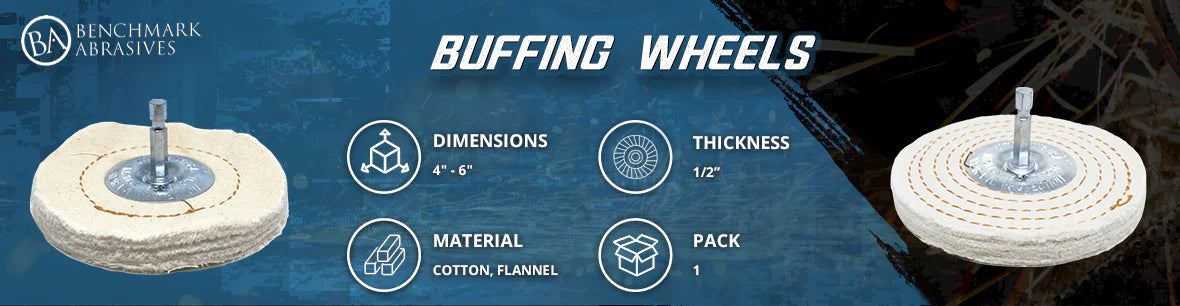
Buffing Wheels
-

4" X 1/2" Flannel Cushion Sewn Buffing Wheel With 1/4" Mandrel
Original price $6.81 - Original price $6.81Original price$6.81$6.81 - $6.81Current price $6.81Product Specification Shipping Refund Product Specification 4" X 1/2" FLANNEL CUSHION SEWN BUFFING WHEEL WITH 1/4" MANDREL Bring final polishing...
View full detailsOriginal price $6.81 - Original price $6.81Original price$6.81$6.81 - $6.81Current price $6.81 -

4" X 1/2" Cotton Spiral Sewn Buffing Wheel With 1/4" Mandrel
Original price $7.34 - Original price $7.34Original price$7.34$7.34 - $7.34Current price $7.34Product Specification Shipping Refund Product Specification 4" X 1/2" COTTON SPIRAL SEWN BUFFING WHEEL WITH 1/4" MANDREL Start your polishing pr...
View full detailsOriginal price $7.34 - Original price $7.34Original price$7.34$7.34 - $7.34Current price $7.34 -

4" X 1/2" Cotton Cushion Sewn Buffing Wheel With 1/4" Mandrel
Original price $7.86 - Original price $7.86Original price$7.86$7.86 - $7.86Current price $7.86Product Specification Shipping Refund Product Specification 4" X 1/2" COTTON CUSHION SEWN BUFFING WHEEL WITH 1/4" MANDREL Get the versatility of...
View full detailsOriginal price $7.86 - Original price $7.86Original price$7.86$7.86 - $7.86Current price $7.86 -

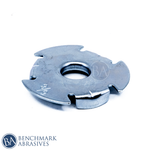
Buffing Wheel Flange Adapter
Original price $1.35 - Original price $1.35Original price$1.35$1.35 - $1.35Current price $1.35Product Specification Shipping Refund Product Specification BUFFING WHEEL FLANGE ADAPTER Mount 1"-arbor buffing wheels securely on compatible sm...
View full detailsOriginal price $1.35 - Original price $1.35Original price$1.35$1.35 - $1.35Current price $1.35 -

6" x 1/2" x 1" Flannel Cushion Sewn Buffing Wheel
Original price $9.96 - Original price $9.96Original price$9.96$9.96 - $9.96Current price $9.96Product Specification Shipping Refund Product Specification 6" X 1/2" X 1" FLANNEL CUSHION SEWN BUFFING WHEEL When the goal is maximum gloss wit...
View full detailsOriginal price $9.96 - Original price $9.96Original price$9.96$9.96 - $9.96Current price $9.96 -
6" x 1/2" x 1" Cotton Cushion Sewn Buffing Wheel
Original price $11.01 - Original price $11.01Original price$11.01$11.01 - $11.01Current price $11.01Out of stockProduct Specification Shipping Refund Product Specification 6" X 1/2" X 1" COTTON CUSHION SEWN BUFFING WHEEL Benchmark Abrasives 6" x 1/2" x 1" ...
View full detailsOriginal price $11.01 - Original price $11.01Original price$11.01$11.01 - $11.01Current price $11.01Sold out -
6" X 1/2" X 1" Cotton Spiral Sewn Buffing Wheel
Original price $9.96 - Original price $9.96Original price$9.96$9.96 - $9.96Current price $9.96Out of stockProduct Specification Shipping Refund Product Specification 6" X 1/2" X 1" COTTON SPIRAL SEWN BUFFING WHEEL Built for the cutting and initial po...
View full detailsOriginal price $9.96 - Original price $9.96Original price$9.96$9.96 - $9.96Current price $9.96Sold out -

2" Felt Polishing Quick Change Discs - 10 Pack
Original price $0.00 - Original price $0.00Original price $0.00$15.74$15.74 - $15.74Current price $15.74Product Specification Shipping Refund Product Specification 2" FELT POLISHING QUICK CHANGE DISCS - 10 PACK Bring a complete polishing process in...
View full detailsOriginal price $0.00 - Original price $0.00Original price $0.00$15.74$15.74 - $15.74Current price $15.74 -

3" Felt Polishing Quick Change Discs - 10 Pack
Original price $0.00 - Original price $0.00Original price $0.00$19.94$19.94 - $19.94Current price $19.94Product Specification Shipping Refund Product Specification 3" FELT POLISHING QUICK CHANGE DISCS - 10 PACK Cover more surface area while keeping...
View full detailsOriginal price $0.00 - Original price $0.00Original price $0.00$19.94$19.94 - $19.94Current price $19.94 -

4-1/2" x 7/8" T27 Felt Polishing Flap Disc
Original price $0.00 - Original price $0.00Original price $0.00$4.19$4.19 - $4.19Current price $4.19Product Specification Shipping Refund Product Specification 4-1/2" X 7/8" T27 FELT POLISHING FLAP DISC Turn your angle grinder into a versatile ...
View full detailsOriginal price $0.00 - Original price $0.00Original price $0.00$4.19$4.19 - $4.19Current price $4.19 -

1" x 1" Felt Flap Wheel with 1/4" Shaft - 10 Pack
Original price $0.00 - Original price $0.00Original price $0.00$15.74$15.74 - $15.74Current price $15.74Product Specification Shipping Refund Product Specification 1" X 1" FELT FLAP WHEEL WITH 1/4" SHAFT - 10 PACK Polish small parts, tight spaces, ...
View full detailsOriginal price $0.00 - Original price $0.00Original price $0.00$15.74$15.74 - $15.74Current price $15.74 -

2" x 1" Felt Flap Wheel with 1/4" Shaft - 10 Pack
Original price $0.00 - Original price $0.00Original price $0.00$31.49$31.49 - $31.49Current price $31.49Product Specification Shipping Refund Product Specification 2" X 1" FELT FLAP WHEEL WITH 1/4" SHAFT - 10 PACK Polish small to medium-sized surfa...
View full detailsOriginal price $0.00 - Original price $0.00Original price $0.00$31.49$31.49 - $31.49Current price $31.49 -

3" x 1" Felt Flap Wheel with 1/4" Shaft - 10 Pack
Original price $0.00 - Original price $0.00Original price $0.00$47.24$47.24 - $47.24Current price $47.24Product Specification Shipping Refund Product Specification 3" X 1" FELT FLAP WHEEL WITH 1/4" SHAFT - 10 PACK Polish larger surfaces faster with...
View full detailsOriginal price $0.00 - Original price $0.00Original price $0.00$47.24$47.24 - $47.24Current price $47.24 -

4-1/2" X 4" Spiral Sewn Muslin Buffing Drum
Original price $41.99 - Original price $41.99Original price$41.99$41.99 - $41.99Current price $41.99Product Specification Shipping Refund Product Specification 4-1/2" X 4" SPIRAL SEWN MUSLIN BUFFING DRUM Create a smooth, refined finish across l...
View full detailsOriginal price $41.99 - Original price $41.99Original price$41.99$41.99 - $41.99Current price $41.99 -

4-1/2" X 4" Felt Buffing Drum
Original price $44.09 - Original price $44.09Original price$44.09$44.09 - $44.09Current price $44.09Product Specification Shipping Refund Product Specification 4-1/2" X 4" FELT BUFFING DRUM Refine large metal surfaces while maintaining excellen...
View full detailsOriginal price $44.09 - Original price $44.09Original price$44.09$44.09 - $44.09Current price $44.09


Industrial Buffing Wheels for Metalworking and Fabrication
Benchmark Abrasives carries industrial-grade buffing wheels built for heavy metal fabrication, casting finishing, and weld blending. The inventory covers premium cotton, sisal, and felt wheels in both sewn and loose-ply styles to fit all common shop diameters and arbor configurations. Match your workpiece metal, desired finish, tool arbor, and operating RPM to find the right setup and prevent glaze and compound loading.
For over 25 years, Benchmark Abrasives has supplied professional fabricators nationwide with high-performance finishing tools shipped directly from our Arizona warehouse. Select your configuration below.
Why Industrial Professionals Trust Benchmark Abrasives
- 25+ Years of Experience: distributing professional-grade industrial abrasives.
- Direct to Consumer Value: saving you up to 60% off traditional retail.
- Fast 24-Hour Shipping: on the majority of our in-stock orders.
- 1,800+ Verified Reviews: from real professional metalworkers and artisans.
- Nationwide US Delivery: shipped directly from our Arizona distribution center.
Select Your Buffing Wheel by Metal and Finish Stage
Wheel construction and fiber density directly determine cut rate, heat buildup, and final finish clarity. Matching these characteristics to your workpiece prevents surface burning and compound loading. Choosing the right material keeps your workflow efficient without damaging the underlying metal.
-
Sisal (Heavy Cut): Designed for aggressive scratch removal and stainless weld cleanup to prepare tough metals for coloring.
-
Spiral Sewn Cotton (General Cut): The versatile standard for cutting down heavy aluminum oxidation or bringing brass to a uniform semi-bright state.
-
Loose or Sectioned Cotton (Final Color): Best for high-luster color buffing to achieve a mirror shine on brass, copper, or steel.
-
Felt (Controlled Detail Cut): Ideal for polishing tight contours, edges, and complex details where maintaining sharp geometry is critical.
Whether you need to restore oxidized aluminum to a bright shine, clean up stainless steel fabrication welds, or bring a deep color to decorative brass, matching the tool to the task eliminates guesswork. View our complete inventory of industrial-grade buffing wheels to find the correct setup for your shop.
Recommended Wheel and Compound Sequences by Metal Type
Achieving a professional luster on metal parts requires pairing the right buffing wheels with their matching compounds. Polishing follows a multi-step sequence of cutting, coloring, and final finishing. Using the wrong setup can burn the material or load the fibers.
-
Stainless and Steel (Scratch Removal to Mirror): Use a rigid sisal wheel with black emery compound for heavy cutting, then a spiral sewn cotton wheel with green compound for mirror finishing.
-
Aluminum Alloys (Bright Finish): Use a spiral sewn cotton wheel with brown tripoli compound to cut and color, then transition to a loose cotton wheel with white compound.
-
Brass and Copper (Detailed Coloring): Cut with a spiral sewn cotton wheel and brown tripoli, then finish with a loose cotton wheel or felt detail bob and blue compound.
To maintain finish quality, follow the one wheel, one compound rule. Mixing different grits on the same cloth plies will scratch your workpiece. Order matching buffing compounds in the same session to keep a clean, professional progression.
Shop Performance: Choosing Your Wheel Construction
Stiffness and stitching density directly dictate how much heat and friction a wheel generates. Harder wheels increase cutting power while reducing conformity. Choosing the right density keeps you from burning delicate workpieces or spending too long stripping heavy scale.
-
Sisal: Coarse, tightly twisted fibers for aggressive cut and initial scratch or oxidation removal.
-
Spiral Sewn Cotton: Concentrically stitched plies offering a controlled cut and general-purpose coloring.
-
Loose Cotton and Flannel: Unstitched plies that maximize conformity and run cool for final mirror finishing.
-
Felt Wheels and Bobs: Compressed, rigid wool that retains its shape for precise edge and detail work.
When browsing our catalog, note that some product URLs use legacy terms like cushion-sewn or copy-of prefixes. Always rely on the active product title, construction, ply, and arbor size shown on the product page rather than the URL text. For a detailed breakdown of buffing wheel types, read our guide on the different types of buffing wheels you need to know.
Bench Grinder Fitment: RPM and Arbor Safety Specifications
Mounting buffing wheels safely requires matching the accessory's maximum RPM to your machine's spindle speed. Rotational speed determines surface speed (SFPM), which controls heat and workpiece burning. For finishing heat-sensitive metals or plastics, an 8-inch wheel on a slow-speed 1,725 RPM grinder (roughly 3,600 SFPM) is preferred over a fast 3,450 RPM setup.
Calculate surface speed with this formula: SFPM = (Diameter in inches x 0.262) x RPM. Always verify the maximum speed printed on the wheel label before mounting.
Arbor Fitment Reference:
-
1/2" shaft: fits 5/8" or 1" wheel arbor with flanged nesting bushings.
-
5/8" shaft: fits 1" or 1-1/4" wheel arbor with nested telescoping bushings.
-
3/4" shaft: fits 3/4" wheel arbor with direct fit and standard flanges.
Use matching, recessed flanges that cover at least one-third of the wheel diameter to clamp the plies evenly. After securing the locking nut, spin the wheel by hand, then run a one-minute no-load test before applying compound.
Setting Up Your Buffing Station for Repeatable Results
Proper mounting prevents vibration and ensures even wear across your polishing setup. Match nesting bushings to your shaft, confirm arbor spacers sit flat, and verify thread direction matches motor rotation. Spin the buffing wheels by hand first to check for runout.
-
Run a safety test: Stand aside and run the grinder with no load for one full minute.
-
Use the correct contact zone: Work strictly on the lower quadrant of the wheel.
-
Apply light pressure: Let the wheel do the work to keep parts cool and prevent catching.
Over time, metal particles and spent binder will glaze the cloth. Use a steel wheel rake to remove loaded compound and restore the cut. To get repeatable finishes, dedicate each wheel to a single compound and label the face by color.
Building a structured polishing system reduces waste. You can source everything directly from our buffing products selection to save on e-commerce pricing. Stock up on buffing accessories like rakes, simplify your shop with buffing kits, or order individual buffing compounds while earning loyalty points.
Frequently Asked Questions About Industrial Buffing Wheels
1. Which buffing wheel should I use on a bench grinder vs an angle grinder?
Bench grinders require thick, flat-arbor wheels like sisal or spiral sewn cotton operated at stable, lower speeds. Angle grinders require wheels specifically designed for high-speed operation, typically featuring integrated threaded center nuts. Most standard angle grinders run above 10,000 RPM, which will quickly destroy bench-grinding wheels rated for only 3,600 RPM.
2. What compound should I start with for aluminum vs stainless?
Start aluminum polishing with brown tripoli compound on a spiral sewn cotton wheel to cut through heavy oxidation. For stainless steel, start with black emery compound on a stiff sisal wheel to remove tough weld marks and surface scale. Matching the initial abrasive grit to your metal reduces working time. Browse our full range of color-coded formulas by viewing our selection of buffing compounds.
3. Can I use one wheel with multiple compounds?
No. Dedicate each buffing wheel to one specific compound. Mixing different compounds or grits on the same cloth wheel will contaminate the fibers and ruin your final finish. Even a single coarse grain left over from an early cutting step can deeply scratch a surface during your final mirror-coloring step.
4. How do I stop a wheel from glazing or losing cut?
Clean the wheel face with a metal wheel rake while the machine is running. Raking removes hardened, burnt binders and packed metal particles to expose fresh, clean cotton fibers. Applying too much compound at once causes rapid glazing, so apply light, intermittent pressure to the bar rather than heavy continuous force.
5. What arbor size do I need and can I use bushings or adapters?
Your wheel arbor must match your machine spindle, with common industrial sizes being 1/2 inch, 5/8 inch, or 3/4 inch. Nested telescoping bushings can safely adapt a larger center hole to a smaller shaft size. The adapter must sit perfectly flat and be tightly clamped between the outer machine flanges to prevent high-speed vibration.
6. What is a spiral sewn buffing wheel used for?
A spiral sewn buffing wheel handles general-purpose cutting and coloring on metals like aluminum, brass, and steel. The tight spiral stitching stiffens the cotton plies, which lets you apply more downward pressure for scratch and scale removal. Benchmark Abrasives builds these with premium long-fiber cotton to confirm consistent wear and reliable durability in high-volume production shops.
The right combination of buffing wheels and compounds makes it straightforward to achieve a flawless finish on any metal workpiece. Browse our complete inventory of industrial-grade buffing wheels to find the perfect fit for your grinder setup.