

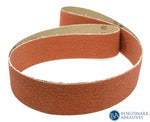


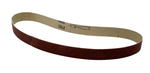
























How to Measure The Correct Length of Sanding Belt

A sanding belt is the workhorse of woodworking and metalworking, used for everything from aggressive stock removal to fine-tuning and polishing. However, choosing the best sanding belt can be difficult. A belt that's too short can put excessive strain on the motor and even break, posing a major safety hazard, while a belt that's too long can slip and become unusable. A successful project depends on the correct fit.
This guide will walk you through the most reliable methods for measuring a sanding belt to ensure you get the perfect size every time.
Why an Accurate Measurement is Crucial
You might be tempted to eyeball the size or guess, but a tiny error in your measurement can be costly. Sanding belts fit snugly on a belt sander's rollers. If the fit is even slightly off, it can lead to:
- Poor Performance: The belt will not stay centered on the rollers, causing it to slip or run unevenly, which results in an inconsistent finish.
- Tool Damage: A belt that is too tight can cause excessive stress on your sander's motor, bearings, and pulleys, leading to premature wear and tear.
- Safety Risks: A belt that is not the correct size can break under tension, sending pieces flying at high speeds.
Method 1: Measuring an Old Sanding Belt
This is the most straightforward method if you have an old, worn-out belt on hand.
- Create a Straight Cut: Use scissors or a utility knife to carefully cut the old sanding belt in a straight line at the seam where the two ends are joined. This will flatten the belt into a single strip.
- Measure the Length: Lay the belt flat and use a tape measure to measure its total length from end to end. This is the exact length you need.
- Measure the Width: Measure the width of the belt to get the second dimension.
For example, a common size like a 4x36 sanding belt means it is 4 inches wide and 36 inches long.
Method 2: Utilizing a String or a Measuring Tape
If you don't have the old belt, you can measure the machine itself.
- Wrap the String: Take a piece of non-stretchable string (like a shoelace or nylon cord) or a flexible measuring tape. Wrap it around the rollers of your belt sander in the exact path the belt will take.
- Mark and Measure: Make sure the string is pulled taut but not over-tightened. Mark where the string's two ends join.
- Measure the Length: After taking the string out and laying it flat, measure the distance from the end to your mark. This will give you the precise circumference of the belt path, which is the length of the new belt you need.
- Measure the Width: To find the right width for your new belt, measure the width of the sander's roller or contact wheel.
Method 3: Finding the Measurement on the Sanding Belt
Sometimes, the size of a sanding belt is printed on its underside. If the belt is still in decent shape, you may be able to check for the dimensions simply.
A Note on Grit and Material
When choosing a belt, don't forget to consider the crucial factors of grit and material, not just size. Grit determines how much material is removed, while the material (e.g., aluminum oxide, zirconia alumina) affects the belt's durability and what surfaces it can be used on.
Conclusion
You no longer need to rely on guesswork when choosing the best sanding belt. Just take the time to measure your previous belt carefully to ensure it's the perfect fit. This simple but necessary step will save you money, protect your equipment, and help you achieve a flawless finish on all your projects.
Join Our Newsletter
Sign up to get the latest on sales, new releases and more …Join Our Newsletter
Sign up to get the latest on sales, new releases and more …Shop Categories
Recent Articles
- Resin Fiber Discs: Proper Storage and Handling Techniques
- Sanding Belt Safety Tips: Best Practices for Safe Operation
- 1X30 Sanding Belts for Metalworking & Knife Making
- Why Sanding Belts Stop Cutting Efficiently
- Best Sanding Discs for Automotive Paint Preparation
- How to Change Sandpaper on a Drum Sander
- Sanding Drums for Metal, Finishing, and Deburring
- Sanding Disc Accessories: Backing Pads & Disc Tools
- Random Orbital Sander
- Ways to Remove Rust from Metal
Featured Products
-
 746 Reviews
4-1/2" x 7/8" T29 Zirconia High Density Flap Disc - 10 pack
$25.19
-
 738 Reviews
4-1/2" x .040" x 7/8" t1 premium thin cut-off wheel - 25 pack
$20.88
-
 220 Reviews
4-1/2" x 7/8" T27 Zirconia High Density Flap Disc - 10 pack
$25.19
-
 380 Reviews
6" x .045 x 7/8" T1 Premium Thin Cut-Off Wheel - 25 pack
$27.29
-
 55 Reviews
Nonwoven 6" X 9" Scuff, Clean & Finish Hand Pads
$0.83
-
 123 Reviews
4-1/2" x 1/4" x 7/8" T27 Depressed Center Grinding Wheel - 25 pack
$28.34


Blog Categories
- Abrasives
- Sanding
- Grinding Deburring Finishing
- Safety and Cleanliness
- Metal Working
- Selecting Tools And Equipment
- Wood Working
- Art And Design
- Diy Projects
- Industry 4.0
- Buffing
- Cutting Tools
- Carbide Burrs
- PPE
- Wire Brushes
- Bonded Abrasives
- TIG Electrodes
- Wire Wheels
- Bits
- Diamond Blades
- Power Brushes
- Product Reviews
- Grinding
- Finishing
- Industrial Cleaners