



























Choosing the Right Wire Wheel: Carbon Steel vs. Stainless Steel

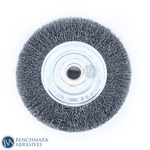
The wire wheel is an essential abrasive tool used for cleaning rust and removing paint. Wire wheels are versatile abrasive tools designed for cleaning, brushing, and surface preparation. It creates a better conductive surface for electrical connections, like between car battery posts and connectors, especially when grime builds up.
When cleaning chrome steel, it's advisable to use a chrome steel bristle wire brush, as a regular steel brush can contaminate the chrome steel and cause rust spots to appear. For softer surfaces or when gentle cleaning is needed, brass bristle brushes are preferred; it's necessary to wash a more rigid body without damaging it. They are also utilized in potentially explosive environments where non-sparking tools are required.
Stainless Steel vs Carbon Wire Wheels
Wire wheels are used to clean metal surfaces. They're also used widely in surface engineering to wash the castings to colour the castings. Understanding the differences between carbon steel and stainless steel wire wheels is essential for choosing appropriate wheels for abrasive projects. Each has unique properties and applications, making them suitable for different tasks in metalworking and surface preparation.
| Feature | Carbon Steel Wire Wheel | Stainless Steel Wire Wheel |
| Material Composition | Made from carbon steel, generally more aggressive | Made from stainless steel, more durable |
| Corrosion Resistance | Less resistant to rust and corrosion | Highly resistant to rust and corrosion |
| Durability | Good durability but wears faster on rust-prone surfaces | Longer lifespan, especially in moist environments |
| Applications | Heavy-duty cleaning, rust removal, and deburring | Cleaning stainless steel, automotive parts, and food-grade surfaces |
Here are some of the differences that you need to know:
-
Material and Durability: Carbon steel wire wheels are known for their strength and toughness. It makes them effective for heavy-duty cleaning and deburring. Stainless steel wire wheels are resistant to rust and corrosion, offering longer lifespan, especially in wet or humid environments.
-
Power and Performance: Carbon steel wheels are more aggressive, removing material faster on soft metals like steel. Stainless steel wheels are ideal for delicate surfaces or environments where corrosion resistance is critical, providing a balance of performance and long service.
-
Corrosion Resistance: Carbon steel wheels tend to rust if exposed to moisture, which can limit their durability over time. Stainless steel wheels resist rust and corrosion, making them suitable for long-term use in challenging conditions.
-
Cost and Maintenance: Carbon steel wheels are initially cheaper but can rust, requiring more upkeep. Stainless steel wheels cost more upfront but save money in the long run through their durability and resistance.
-
Applications: Use carbon steel wire wheels for industrial cleaning and heavy deburring. Stainless steel wheels are suitable for applications demanding rust resistance, such as marine, wet cutting, food processing, or outdoor use.
Conclusion
Choosing a suitable wire wheel is crucial for effective cleaning, deburring, and surface preparation. Carbon steel wheels are well-suited for tough, heavy-duty jobs but need proper care to prevent rusting. While stainless steel wheels are corrosion resistant. Ideally used in moist environments. Paying attention to the material and application helps ensure better results and longer tool life. Using high-quality wire wheels designed for your specific needs results in a cleaner, more efficient process and a professional finish.
Join Our Newsletter
Sign up to get the latest on sales, new releases and more …Join Our Newsletter
Sign up to get the latest on sales, new releases and more …Shop Categories
Recent Articles
- Resin Fiber Discs vs Flap Discs: When Should You Use Each?
- Best Abrasives for Rust Removal on Steel
- Cut-Off Wheels vs Band Saws: Which is Better for Metal Cutting
- How to Optimize RPM Abrasive Disc Performance & Lifespan
- Surface Conditioning Discs: A Fabricator's Guide
- Best Flap Disc for Stainless Steel: Complete Fabricator’s Guide
- Ceramic vs Zirconia Flap Discs: Which Performs Better for Metal Fabrication
- How to Choose the Right Grit for Metal Sanding Projects
- Tools Collection for Fabrication and Abrasive Workflows
- How to Choose the Right Diamond Blade
Featured Products
-
 746 Reviews
4-1/2" x 7/8" T29 Zirconia High Density Flap Disc - 10 pack
$25.19
-
 738 Reviews
4-1/2" x .040" x 7/8" t1 premium thin cut-off wheel - 25 pack
$20.88
-
 220 Reviews
4-1/2" x 7/8" T27 Zirconia High Density Flap Disc - 10 pack
$25.19
-
 380 Reviews
6" x .045 x 7/8" T1 Premium Thin Cut-Off Wheel - 25 pack
$27.29
-
 55 Reviews
Nonwoven 6" X 9" Scuff, Clean & Finish Hand Pads
$0.83
-
 123 Reviews
4-1/2" x 1/4" x 7/8" T27 Depressed Center Grinding Wheel - 25 pack
$28.34


Blog Categories
- Abrasives
- Sanding
- Grinding Deburring Finishing
- Safety and Cleanliness
- Metal Working
- Selecting Tools And Equipment
- Wood Working
- Art And Design
- Diy Projects
- Industry 4.0
- Buffing
- Cutting Tools
- Carbide Burrs
- PPE
- Wire Brushes
- Bonded Abrasives
- TIG Electrodes
- Wire Wheels
- Bits
- Diamond Blades
- Power Brushes
- Product Reviews
- Grinding
- Finishing
- Industrial Cleaners