


























Buffing Hand Pads
-

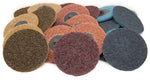
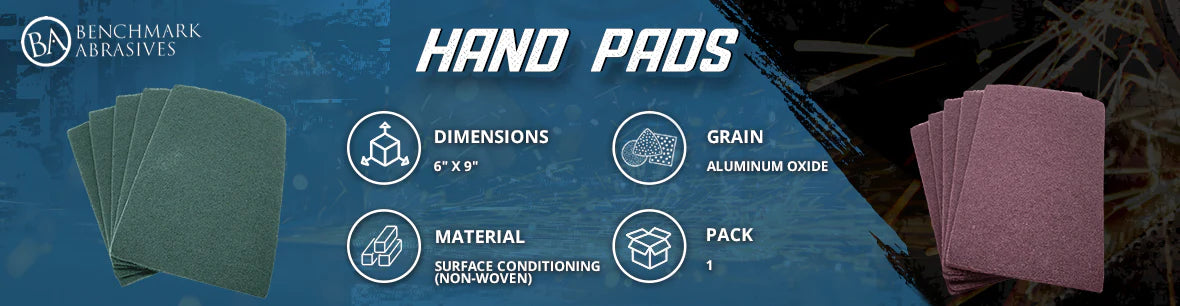
Nonwoven 6" x 9" Scuff, Clean & Finish Hand Pads
Original price $0.83 - Original price $5.82Original price$0.83 - $5.82$0.83 - $5.82Current price $0.83Product Specification Shipping Refund Product Specification Nonwoven 6" x 9" Scuff, Clean & Finish Hand Pads Benchmark Abrasives Nonwoven 6"...
View full detailsOriginal price $0.83 - Original price $5.82Original price$0.83 - $5.82$0.83 - $5.82Current price $0.83

Buffing Hand Pads Built for Tough Work
Buffing hand pads are no-nonsense tools for real-world jobs. They’re made to scrub, blend, and clean surfaces without coming apart after a few passes.
Whether you’re prepping base metal, cleaning off oxidation, or finishing a weld, these hand pads handle the work. When the job calls for a specific finish or material, it’s important to select the right buffing pad to get optimal results without overdoing it.
Each pad is built from a nonwoven nylon web, packed with abrasive grain, and bonded with resin. It’s flexible, durable, and designed to hold up under pressure without tearing.
These pads bend to fit curved surfaces and get into tight corners where power tools can’t reach. They don’t load up with debris and don’t leave deep scratches like sandpaper or steel wool.
A Smarter Steel Wool Alternative
These pads give you the same cleaning and finishing ability as steel wool—without the shedding or rust. Their open-web structure rinses clean and won’t break down when used with water or solvents. That makes them a cleaner, more reliable option for both wet and dry work.
You can use buffing hand pads on wood, metal, plastics, ceramics, porcelain, rubber, or composite materials. They’re also safe enough for delicate surfaces—like vinyl or porcelain—when used with fine grades. They clean without damaging the finish, making them ideal for repair work or detailed surface prep.
Built for Trades That Don’t Cut Corners
Welders use hand pads for blending and heat tint removal. Maintenance crews rely on them for surface cleaning. Fabricators and finishers turn to them for prep and detail work where it has to be right the first time. They’re also a good fit in shops that handle composite materials, like marine or aerospace work.
If you work with your hands and value control, buffing hand pads are worth having close.
Frequently Asked Questions
What are buffing hand pads made from?
They’re made from nonwoven nylon fibers, bonded with resin and abrasive grain. The material stays flexible while holding up under pressure.
Where can I use these pads?
You can use them on wood, metal, plastics, ceramics, porcelain, rubber, vinyl, and composites. They’re good for dry or wet applications.
How do they compare to steel wool?
They clean and polish like steel wool but won’t rust, shed, or fall apart. They’re safer on delicate surfaces and easier to clean.
Are they reusable?
Yes. You can rinse them off and keep using them. They resist loading and hold up across multiple jobs.
What grit should I use?
Use coarse for heavy buildup or rust, medium for general cleaning, and fine for finish work. The pads are typically color-coded by texture.
Can I use these on painted surfaces?
Yes, but choose a fine-grade pad and start gently. Always test on an out-of-sight spot first.