



























Removing Slag

Slag, or dross, is an unavoidable by-product of thermal metal processing (plasma, laser, and flame cutting). This solidified impurity drastically reduces part quality, leading to costly delays in bending, welding, and finishing. While manual removal methods exist, modern metal fabrication relies on automated slag grinding equipment to efficiently and safely remove hardened burrs, ensuring smooth edges and consistent production flow.
How Slag is Created and Why It Must Be Removed
Slag or dross is a term specifically used for the heavy slag created when plate steel is cut using high-heat processes. It is a residue of unoxidized metal and impurities (such as limestone, silica, and oxides) that solidify on the cut edge.
Types and Location
Dross forms in two main types: low-speed dross (a hard, thick accumulation that is extremely difficult to remove) and high-speed dross (a lighter, easier-to-remove residue).
The slag solidifies primarily on the bottom edge of the cut, leaving the steel piece with burred edges and rough surfaces. If not removed, this rough edge can prevent subsequent forming operations, compromise weld quality, and pose a safety risk during handling.
Slag Removal Method Comparison
Slag and dross removal methods vary significantly in cost, speed, and quality.
| Method | Speed/Throughput | Finish Quality/Consistency | Labor Required |
| Chipping Hammer | Very Slow | Low (Can damage parent metal) | Very High (Labor-intensive) |
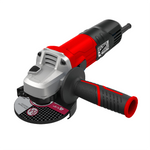
| Angle Grinder | Slow to Medium | Inconsistent (Risk of removing too much metal) | High (Fatiguing, Safety Risk) |
| Automated Slag Grinder | Very Fast | High (Uniform, Consistent Edge Radius) | Very Low (Operator feeds machine) |
While methods like chipping hammers and angle grinders are effective for small batches, they result in inconsistent edge quality and high labor costs, making them unsuitable for production environments.
Benefits of Automated Slag Grinding Equipment
Slag grinding machines are purpose-built for high-volume fabrication, offering dramatic improvements over manual methods.
Increased Throughput and ROI
Automated machines reduce Labor Hours by up to 90%, freeing workers for higher-value tasks like welding and assembly. By removing challenging burrs and dross in a single pass, they increase overall production line efficiency and deliver a faster return on investment (ROI).
Geometric Consistency and Quality
Slag grinders ensure Geometric Consistency by applying a uniform, precise edge radius to the entire piece. This consistency is essential for high-precision downstream processes, such as robotic welding and automated bending, where human variability is intolerable. Applying a uniform edge radius is also vital for subsequent finishing and coating, as rounded edges accept paint and powder coating better, increasing corrosion protection.
How Slag Grinders Operate
Slag grinders are robust devices that use a sophisticated, multi-stage process to quickly and efficiently remove all heavy dross.
The unfinished part is fed through the machine, where a typical operation involves three distinct stages:
Stage 1: Primary Dross Removal (Drum/Belt)
A powerful, fast-moving abrasive grinding belt or drum initially makes contact with the part's surface. This stage swiftly cuts through the heavy accumulations of top dross and aggressively hammers down the hard bottom dross along the cut edge.
Stage 2: Edge Radius and Contouring (Roller)
From there, the pieces are passed over by a flexible, often diamond-profiled, multi-directional roller. This specialized roller is engineered to attack the difficult-to-reach bottom edge and place a precise, uniform radius on the part's contour.
Stage 3: Finishing and Deburring (Wire Brush)
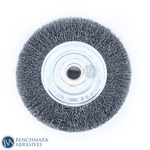
Finally, the details are passed over by a high-density, motorized steel wire brush or abrasive brush. This removes any remaining sharp micro-burrs, cleans up residual material, and consistently produces a gorgeous finished result that is safe to handle.
Choosing the Best Slag Removal Equipment
Premium slag grinders come with a variety of distinctive, user-friendly features that allow the operator to fine-tune the process for different metals and thicknesses:
- Adjustable Transportation Speed: Control throughput and contact time.
- Precise Material Thickness Parameters: Ensures the grinding head engages only the slag and not the parent material.
- Belt-Tracking Controls: Maximizes belt lifespan and cutting efficiency.
- Grinding Pressure Adjustments: Modifies the aggression level for soft aluminum (lower pressure) versus hardened steel (higher pressure).
Operator Security
Worker safety is paramount. High-quality slag grinder machines are equipped with essential safety safeguards to mitigate risks inherent in automated grinding:
- Doors with Locks: Prevent access to moving parts during operation.
- Emergency Stop Buttons: Available at each corner of the machine for quick shutdown.
- Thickness Sensing Apparatus: Prevents oversized or damaged parts from entering the machine.
- Sanding Heads with Disc Brakes: Ensures quick stopping in case of emergency.
This article should help you identify the ideal automated solution for your heavy slag removal application, significantly boosting quality and profitability.
Join Our Newsletter
Sign up to get the latest on sales, new releases and more …Join Our Newsletter
Sign up to get the latest on sales, new releases and more …Shop Categories
Recent Articles
- Proven Ways to Reduce Surface Roughness in Metal Milling
- What is Metal Shearing: Process, Applications, and Finishing
- 10 Essential Metal Fabrication Processes Explained
- Essential Metal Fabrication Tools: The Only Checklist You’ll Ever Need (Jason Hurst Approved)
- How To Deburr Metal
- A Step-By-Step Guide To Remove Spot Welds With Air File Sander
- How to Remove Mill Scale: Step-by-Step Guide
- The Role Of Abrasives In Modern Construction: Beyond The Surface
- Exploring The Art Of Metal Sculpting With Abrasives
- Abrasives in Renewable Energy: Applications In Solar And Wind Industries
Featured Products
-
 746 Reviews
4-1/2" x 7/8" T29 Zirconia High Density Flap Disc - 10 pack
$25.19
-
 738 Reviews
4-1/2" x .040 x 7/8" T1 Premium Thin Cut-off Wheel - 25 pack
$20.88
-
 220 Reviews
4-1/2" x 7/8" T27 Zirconia High Density Flap Disc - 10 pack
$25.19
-
 380 Reviews
6" x .045 x 7/8" T1 Premium Thin Cut-Off Wheel - 25 pack
$27.29
-
 55 Reviews
Nonwoven 6" x 9" Scuff, Clean & Finish Hand Pads
$0.83
-
 123 Reviews
4-1/2" x 1/4" x 7/8" T27 Depressed Center Grinding Wheel - 25 pack
$28.34


Blog Categories
- Abrasives
- Sanding
- Grinding Deburring Finishing
- Safety and Cleanliness
- Metal Working
- Selecting Tools And Equipment
- Wood Working
- Art And Design
- Diy Projects
- Industry 4.0
- Buffing
- Cutting Tools
- Carbide Burrs
- PPE
- Wire Brushes
- Bonded Abrasives
- TIG Electrodes
- Wire Wheels
- Bits
- Diamond Blades
- Power Brushes
- Product Reviews
- Grinding
- Finishing
- Industrial Cleaners