



























Belt Grinder vs Belt Sanders

In metalworking and woodworking, choosing the right tool is crucial for achieving precision and efficiency. Belt grinders and belt sanders are both used for shaping and finishing tasks. These tools need to be sharpened and maintained regularly to remain working in ideal conditions. They look similar in appearance, but they serve different functions and provide unique advantages. Belt sanders and belt grinders are two of the most used sharpening tools.
This article explores their differences, applications, and guides you in selecting the tool that best fits your specific project needs.
Belt Grinder
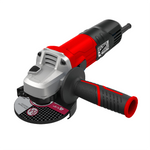
A Belt grinder is also known as a bench grinder. A belt grinder is used to shape and grind metal. It is used by attaching a grinder to a workbench. Belt grinding is the final and most essential step in the metal grinding process. It has abrasive metal-coated straps. The belt grinder is made up of two stone wheels on each side of the engine and a metal belt. Belt grinders can be used to polish the surfaces and give the metal a concave finish. The belt grinder has a powerful motor and easily works with hard material.
Belt grinders are excellent for precision shaping and contouring, making them ideal for detailed work on blades, tools, and various metal components. They are also widely used for smoothing rough edges, removing welds, and preparing surfaces for polishing or finishing.
Belt Sander
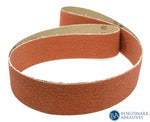
A belt sander or strip sander is a sanding tool used to remove scratches, trim, shape, quickly eliminate rough areas, clean uneven surfaces, and paint removal or finish wood. A belt sander also helps in removing paint from the surface. Belt sanders feature a continuous loop sand belt cycling between two spinning drums. Their primary function is to rapidly remove or minimize a large number of materials from a workpiece. Their varying designs include handheld models for portability and stationary units for larger, more precise work on workbenches. Many belt sanders offer adjustable belt tension and sanding speeds.
Difference Between Belt Grinder and Belt Sander
| Basis Of Difference | Belt Grinder | Belt Sander |
| Uses | Grinding and shaping | Remove scratches and paint, shaping and finishing |
| Suitable For | Mostly Metal and other materials | Mostly Wood and other materials |
| Consists Of | A rotating sander belt made up of sandpaper | Abrasive metal belt |
| End Result | Smooth surface | Sharper surface |
| Accessibility | Attachable to the workspace | Hand-held or stationery |
| Projects | Smaller projects, such as a belt grinder attached to the workspace or a table | Larger projects, such as a belt sander, are movable or hand-held |
Key Points for Considerations
When using belt grinders and belt sanders, you should consider a few important aspects to ensure safety, efficiency, and the best possible results.
- Safety Tips: Always prioritize safety by wearing appropriate protective gear such as safety goggles, gloves, and dust masks. These tools generate dust, debris, and vibrations that can harm your eyes, skin, or respiratory system.
- Tool Maintenance: Regular maintenance helps to increase the tool life and ensures optimal performance. Clean the belts and wheels after each use to remove accumulated debris or dust. Proper storage in a dry, organized space also prevents rust and damage.
CONCLUSION
In choosing between belt grinders and belt sanders, understanding their unique capabilities is essential for optimizing your workflow. Belt grinders are ideal for metal, whereas belt sanders are suitable for wood. Both have a rotating abrasive. Belt grinders grind and sharpen the surface, while belt sanders scrape and smooth the surface of larger material. When selecting a tool, consider the nature of your projects and materials to ensure the best match for your work. We hope this guide provides valuable insights into these versatile tools and their distinct applications.
Join Our Newsletter
Sign up to get the latest on sales, new releases and more …Join Our Newsletter
Sign up to get the latest on sales, new releases and more …Shop Categories
Recent Articles
Featured Products
-
 746 Reviews
4-1/2" x 7/8" T29 Zirconia High Density Flap Disc - 10 pack
$25.19
-
 738 Reviews
4-1/2" x .040 x 7/8" T1 Premium Thin Cut-off Wheel - 25 pack
$20.88
-
 220 Reviews
4-1/2" x 7/8" T27 Zirconia High Density Flap Disc - 10 pack
$25.19
-
 380 Reviews
6" x .045 x 7/8" T1 Premium Thin Cut-Off Wheel - 25 pack
$27.29
-
 123 Reviews
4-1/2" x 1/4" x 7/8" T27 Depressed Center Grinding Wheel - 25 pack
$28.34
-
 55 Reviews
Nonwoven 6" x 9" Scuff, Clean & Finish Hand Pads
$0.83


Blog Categories
- Abrasives
- Sanding
- Grinding Deburring Finishing
- Safety and Cleanliness
- Metal Working
- Selecting Tools And Equipment
- Wood Working
- Art And Design
- Diy Projects
- Industry 4.0
- Buffing
- Cutting Tools
- Carbide Burrs
- PPE
- Wire Brushes
- Bonded Abrasives
- TIG Electrodes
- Wire Wheels
- Bits
- Diamond Blades
- Power Brushes
- Product Reviews
- Grinding
- Finishing
- Industrial Cleaners