


























Difference Between Diamond and Bonded Cut off Wheels

Cut-off wheels are essential tools in metalworking, construction, and manufacturing industries. They are designed to cut, grind, and shape materials such as metal, stone, ceramic, and concrete with precision and efficiency. The choice of the right cut-off wheel can significantly impact the quality, speed, and safety of your work.
The method of grinding, sanding, cutting, sharpening, and polishing all depends on the selection of the cut-off wheel for deburring.
Here in this article, we'll look at two options that focus on cutting through hard material. There are mainly two types of cut-off wheels: diamond cut-off wheels and bonded cut-off wheels.
What's the difference between them, and how to choose the best cut-off wheel? Let's discuss in detail.
What are Bonded Cut-Off Wheels?
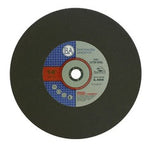
These wheels are standard cut-off wheels, and they're the most commonly available cutting wheels. The bonded cut-off wheel has a similar structure to the bonded grinding wheel.
Thousands of sharp, abrasive grains are bonded together by a resinoid substance that allows the cutting wheel to cut effectively. New, sharp grains emerge when the bonding and rough grains wear away. This enhances the lifespan of the wheel.
There are two types of bonded abrasive cutting wheels:
-
Type-1: a flat wheel
-
Type-27: wheel with a raised center hub
What are Diamond Cut-Off Wheels?
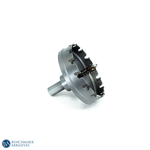
The diamond cut-off wheel is a cutting wheel having a diamond coating on its cutting edges. This is a good alternative to the abrasive wheel. Polycrystalline diamond is made in a laboratory using a high-intensity method. To create the wheel's cutting edge, diamond particles are fused with a carbide substrate and brazed onto a tool body.
Diamond blades are highly resistant to wear and tear, so they last longer than bonded wheels. Diamond cut-off wheels can easily cut through steel, metal sheet, tiles, and stone. ceramic and other materials.
So, after understanding both types of wheels individually. What should you choose? Bonded cutting wheel or diamond-coated wheels. Let’s find the answer.
Diamond Vs Bonded Cut-Off Wheels
Both bonded and diamond cut-off wheels have their own advantages and disadvantages. In most applications, the bonded wheel cuts faster than the diamond cutting wheel over the course of its life. However, it wears out far more quickly.
A diamond cutting wheel is a safe option for hard metal cutting. Bonded cut-off wheels produce more sparks than diamond cut-off wheels because the grains and bonding of the bonded wheel are ground at the same time.
A bonded cutting wheel provides more options, while a diamond wheel is likely to be more versatile in terms of materials. Diamond wheels work more effectively on ceramic tiles and concrete.
Choosing the Right Cut-Off Wheel for Your Project
Selecting the appropriate cut-off wheel is crucial for achieving the best results, ensuring safety, and increasing efficiency. Here are key factors to consider:
- Material Type: Choose a wheel designed for your specific material. Diamond wheels are ideal for tiles, stone, and hard surfaces, while bonded wheels are suitable for metals like steel, aluminum, and other softer materials.
- Wheel Size and Thickness: For your project and tool, be sure to use a wheel with the correct diameter and thickness. Larger diameters are used for deep cuts, while thinner wheels provide more precise cuts and less material removal.
- Application: Determine whether your task involves rough cuts, precision shaping, or detailed finishing. Use diamond wheels for heavy-duty cuts on hard materials and bonded wheels for general metal cutting.
- Speed Rating: The wheel's maximum RPM must match or exceed your tool's operating speed. An undersized wheel is dangerous and will compromise performance.
- Safety and Compatibility: Always select wheels compatible with your tool’s arbor size and locking mechanism. Remember to wear appropriate safety gear during cutting operations.
- Durability and Cost: Balance your budget with the expected lifespan of the wheel. While diamond wheels last longer, they are more expensive; bonded wheels are cost-effective for occasional use.
Conclusion
Choosing the right cut-off wheel is essential for achieving efficient, clean, and safe cutting results. Diamond cut-off wheels excel in cutting hard materials like tiles, stone, and thick metals, offering superior durability and a longer lifespan. Bonded cut-off wheels, on the other hand, provide versatility and cost-effectiveness for general-purpose metal cutting. Choosing the appropriate cut-off wheel and following safety guidelines will enhance your efficiency and deliver optimal results every time.
Join Our Newsletter
Sign up to get the latest on sales, new releases and more …Join Our Newsletter
Sign up to get the latest on sales, new releases and more …Shop Categories
Recent Articles
Featured Products
-
 746 Reviews
4-1/2" x 7/8" T29 Zirconia High Density Flap Disc - 10 pack
$25.19
-
 738 Reviews
4-1/2" x .040 x 7/8" T1 Premium Thin Cut-off Wheel - 25 pack
$20.88
-
 220 Reviews
4-1/2" x 7/8" T27 Zirconia High Density Flap Disc - 10 pack
$25.19
-
 380 Reviews
6" x .045 x 7/8" T1 Premium Thin Cut-Off Wheel - 25 pack
$27.29
-
 123 Reviews
4-1/2" x 1/4" x 7/8" T27 Depressed Center Grinding Wheel - 25 pack
$28.34
-
 55 Reviews
Nonwoven 6" x 9" Scuff, Clean & Finish Hand Pads
$0.83


Blog Categories
- Abrasives
- Sanding
- Grinding Deburring Finishing
- Safety and Cleanliness
- Metal Working
- Selecting Tools And Equipment
- Wood Working
- Art And Design
- Diy Projects
- Industry 4.0
- Buffing
- Cutting Tools
- Carbide Burrs
- PPE
- Wire Brushes
- Bonded Abrasives
- TIG Electrodes
- Wire Wheels
- Bits
- Diamond Blades
- Power Brushes
- Product Reviews
- Grinding
- Finishing
- Industrial Cleaners