


























How to Grind Aluminum With Flap Disc

Grinding aluminum with a flap disc requires careful techniques, as metals are delicate and sensitive to heat. Aluminum can load abrasive discs quickly and can bend or discolor when heated. Hence, choosing a flap disc is essential. These discs are mainly created for non-ferrous metal and usually come with a coating to reduce loading. All the essential processes of grinding aluminum using a flap disc will be covered in this article.
Essential Factors to Consider to Achieve Optimum Results
During the process of grinding aluminum using flap discs, a number of important factors should be considered to get optimal results and avoid typical issues.
1. Aluminum's Properties
Aluminum's properties pose some unique difficulties while grinding. Its low melting point also indicates that, when heat builds up, warping or melting may occur quickly. In addition, the metal produced sticky pieces that will result in the clogging of abrasive discs. Therefore, a thorough examination of these characteristics with particular emphasis on heat management, as well as the applications of specific abrasive tools, is beneficial for aluminum grinding.
2. Flap Disc Selection
It is essential to select the appropriate flap disc while grinding aluminum. Choose discs that are designed explicitly for non-ferrous metals, usually with anti-clogging coatings like calcium stearate. For heavy material removal, select a coarse grit, and for a smooth finish, use a finer grit. Usually, silicon carbides are more popular than aluminum oxide due to their capability to cut more precisely and endure loading.
3. Grit size
Grit size is also a crucial factor to consider while grinding aluminum. Coarse grits are generally used for quick material removal and harsh shaping that can cause visible scratches. Medium grits, such a 120 grit flap disc, are ideal for general-purpose work, which results in balanced material removal and surface refinement. On the other hand, finer grits starting from 180 and above are suitable for getting even finishes, blending, and preparing surfaces for polishing or painting. The selection of grit size is based on the required result and the level of the aluminum grinding process.
4. Disc Type
Disc type is defined by the grinding movement and the contact area being worked on. T27 discs offer a greater contact area for efficient material removal, which makes them perfectly suitable for flat surfaces and blending. T29 discs, on the other hand, consist of angled flaps that work perfectly for edges, curved surfaces, and intense grinding, which will lead to faster and accurate cuts. Selecting between the disc types depends on the material's shape and the required level of aggressiveness.
Grinding Aluminum with a Flap Disc: 7 Easy Steps
The following are the steps involved in grinding aluminum:
Step 1: Safety First
Always wear all the necessary safety gear, like a face mask, glasses, gloves, and much more, before starting the procedure, which results in lowering the risk of any major accidents when cutting aluminum.
Step 2: Setting up the Workpiece
The next important step before beginning the grinding process is to set up the workpiece. Starting by properly clamping the workpiece using nuts or tools. Correctly fixing a workpiece will help in minimizing vibrations, which result in a fine and even finish.
Step 3: Mount the Flap Disc
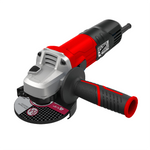
Installing the flap disc on the grinder is the most critical step. This is also essential for a smooth and successful grinding process. Before installing the disc, it is recommended to unplug the grinder. Additionally, make sure the disc is firmly fastened and spins freely, since loose discs have the potential to harm both the operator and the material.
Step 4: Grinding Technique
Use a light, consistent pressure when grinding metal to prevent overheating and clogging. Maintain a steady angle and overlap your passes for a smooth, even finish. Also, move the grinder gently to avoid making constant contact at one spot, which will lead to heat generation. To prevent this, it is preferred to lower the speed of a grinder.
Step 5: Cooling
Cooling is a crucial factor to keep in mind while grinding aluminum to prevent overheating and warping. Take regular breaks in between the process, which helps the discs as well as the material to cool down a bit and to disperse heat. Also, use necessary lubricants or cutting fluids to minimise friction that creates heat buildup. Ensure that there is enough ventilation, which helps in creating airflow and eventually reduces heat. You can increase the flap disc's life and prevent aluminum damage by consistently regulating the heat.
Step 6: Finishing
To get a smooth and refined finish on aluminum, go for a finer grit flap disc after initial grinding. To eliminate scratches and flaws, gradually blend the surface, which results in achieving a more professional look.
Step 7: Clean Up
Aluminum has to be cleaned entirely for both safety and performance reasons. To stop scratches and contamination, clean any metal shavings and debris that are embedded in the material and from the area around it. Use compressed air, vacuum, or a brush to collect the fine dust, which helps in minimizing the chance of inhaling the dangerous particles and ensuring that the surface is clean for further processing.
Optimizing Aluminum Grinding: Embracing Modern Advancements
Beyond the basic techniques, modern metal grinding, especially for aluminum, is evolving rapidly due to new technologies. The desire for higher precision, efficiency, and durability is leading to innovations in abrasive selection and grinding processes.
Automated systems, often featuring advanced sensors and real-time data analytics (IoT), are gaining popularity. These systems precisely control grinding parameters, reduce human errors, and provide a uniform finish, especially for complex or high-volume aluminum components. This level of control helps reduce common aluminum grinding problems such as heat buildup and material distortion.
In addition, continued advances in abrasive material science are leading to the constant development of improved flap discs. In addition to traditional silicon carbide and aluminum oxide, new hybrid formulations and specialized coatings are being developed. These innovations provide better anti-loading properties, improved heat dissipation, and longer tool life, specifically designed to work more effectively with challenging materials like aluminum. Staying updated on these advancements helps professionals leverage the latest equipment for the best results, reduce downtime, and increase overall productivity in aluminum grinding.
Important Tips

The following are some crucial tips to consider while grinding aluminum with a flap disc:
- Avoid Contamination: To avoid contamination and other pollutants from metals, choose flap discs particularly designed for aluminum.
- Regular Examination: Examine your discs regularly to see if there are signs of wear and tear, and replace them immediately.
- Control Heat: Heat is usually generated while grinding aluminum. Allow the work material to cool and take periodic breaks.
Join Our Newsletter
Sign up to get the latest on sales, new releases and more …Join Our Newsletter
Sign up to get the latest on sales, new releases and more …Shop Categories
Recent Articles
Featured Products
-
 746 Reviews
4-1/2" x 7/8" T29 Zirconia High Density Flap Disc - 10 pack
$25.19
-
 738 Reviews
4-1/2" x .040 x 7/8" T1 Premium Thin Cut-off Wheel - 25 pack
$20.88
-
 220 Reviews
4-1/2" x 7/8" T27 Zirconia High Density Flap Disc - 10 pack
$25.19
-
 380 Reviews
6" x .045 x 7/8" T1 Premium Thin Cut-Off Wheel - 25 pack
$27.29
-
 123 Reviews
4-1/2" x 1/4" x 7/8" T27 Depressed Center Grinding Wheel - 25 pack
$28.34
-
 55 Reviews
Nonwoven 6" x 9" Scuff, Clean & Finish Hand Pads
$0.83


Blog Categories
- Abrasives
- Sanding
- Grinding Deburring Finishing
- Safety and Cleanliness
- Metal Working
- Selecting Tools And Equipment
- Wood Working
- Art And Design
- Diy Projects
- Industry 4.0
- Buffing
- Cutting Tools
- Carbide Burrs
- PPE
- Wire Brushes
- Bonded Abrasives
- TIG Electrodes
- Wire Wheels
- Bits
- Diamond Blades
- Power Brushes
- Product Reviews
- Grinding
- Finishing
- Industrial Cleaners