





























Can You Use A Belt Sander On Hardwood Floors?

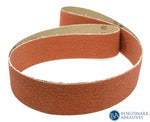
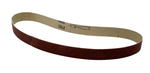
Wood floor refinishing is a laborious process that can take many days. You can save a lot of money by doing it yourself; it works best with the right equipment. The floor may be stripped and sanded quickly and easily using a belt sander. A spinning sandpaper loop on a belt sander produces speedy results. While finishing a wood floor, a belt sander should be portable so you may move it across the floor's surface. You can level the floor and prepare for fine sanding using a belt sander.
Is a Belt Sander Suitable for Every Hardwood Floor Job?
The belt sanders are highly effective for leveling and removing old finishes. They are best suited for large, flat surface areas due to their aggressive sanding action. For intricate sections, edges, or areas near baseboards, a detail sander or edger might be more appropriate to avoid over-sanding or damage. Understanding the scope of your project helps determine whether a belt sander is the right tool; for instance, refinishing floors with thick coatings or uneven surfaces often requires the power and efficiency of a belt sander.
Choosing the Right Belt Sander for Hardwood Floors
The belt sanders are created for different applications. Select models designed specifically for flooring, which are typically more stable and have adjustable speed settings. Look for units with rubberized grips for better control and vibration reduction. Features like dust collection systems can significantly improve your work environment by minimizing airborne debris, making your project cleaner and less stressful. Investing in a quality sander with a variable belt tension system also ensures better belt tracking and longevity.
Steps To Use A Belt Sander On Hardwood Floors
STEP 1: Vacuum up any loose trash to prepare the floor.
Pebbles and other tiny objects can get caught in the sandpaper and cause repeated scratches. They will also easily rip up the sandpaper.
STEP 2: Put on a dust mask and eye protection.
Flip the release lever on the sander and load the sandpaper while the device is still unplugged from the power source. The material will be precut to fit the turning rollers. For sandpaper Load direction, there is a feed direction arrow on the inside of the sheet. To tighten the paper and pick up the slack, manually spin the rollers. To lock the machine, pull the release lever closed.
STEP 3: Plug the sander in and turn it on while holding it above the ground.
Both the front and back handles should be in your hands. Lower the device to the ground gradually. Maintain a continuous motion of the machine in the grain of the wood. You risk sanding a dent in the floor if you leave the floor in one spot.
STEP 4: Use back-and-forth, slightly overlapping strokes as you sand.
This will provide an even sanding. Lift the unit off the wood floor before turning it off. Lift the device as it slows down after being switched off to avoid making contact with the wooden surface. Gradually move to finer sandpaper and grade the floor once you've sanded the entire surface in overlapping portions.
When fixing severe issues and finishing, use coarser sandpaper first. As you move over the floor, increase the numbers and the roughness.
Therefore, if you are using a belt sander on hardwood floors, these easy steps will help you.
Additional Tips for a Perfect Finish
- Test on a Small Area: Before working on the entire floor, practice on a hidden section. This helps you check how aggressively the sander will sand and prevents unexpected damage.
- Maintain Even Pressure: Keep a consistent pressure and pace for uniform results. Let the sander do the work; don't press down too hard.
- Grit Changes: Transition smoothly from coarse to fine grit sandpapers to achieve a smooth, professional finish.
- Regularly Check the Belt: Keep an eye on the belt’s condition, replacing it promptly when worn to avoid uneven sanding and damage to the floor.
- Final Hand Sanding: For edges, corners, or tricky spots, finish with hand sanding or a detail sander for a flawless result.
Safety Tips When Using a Belt Sander
- Always wear a dust mask and eye protection gear.
- Clear the area of furniture before starting.
- Secure loose clothing or jewelry to prevent entanglement.
- Ensure proper electrical safety—use extension cords rated for the tool and keep the workspace dry.
Conclusion
Using a belt sander on hardwood floors can reduce your project time and expense, but it requires proper technique and safety precautions. With the right equipment, a clear plan, and patience, DIY users can achieve professional-looking results that restore their floors to good condition. Remember, for best results, always start with the coarsest grit and move gradually to finer abrasives for a smooth, even finish.
Join Our Newsletter
Sign up to get the latest on sales, new releases and more …Join Our Newsletter
Sign up to get the latest on sales, new releases and more …Shop Categories
Recent Articles
- Resin Fiber Discs: Proper Storage and Handling Techniques
- Sanding Belt Safety Tips: Best Practices for Safe Operation
- 1X30 Sanding Belts for Metalworking & Knife Making
- Why Sanding Belts Stop Cutting Efficiently
- Best Sanding Discs for Automotive Paint Preparation
- How to Change Sandpaper on a Drum Sander
- Sanding Drums for Metal, Finishing, and Deburring
- Sanding Disc Accessories: Backing Pads & Disc Tools
- Random Orbital Sander
- Ways to Remove Rust from Metal
Featured Products
-
 746 Reviews
4-1/2" x 7/8" T29 Zirconia High Density Flap Disc - 10 pack
$25.19
-
 738 Reviews
4-1/2" x .040" x 7/8" t1 premium thin cut-off wheel - 25 pack
$20.88
-
 220 Reviews
4-1/2" x 7/8" T27 Zirconia High Density Flap Disc - 10 pack
$25.19
-
 380 Reviews
6" x .045 x 7/8" T1 Premium Thin Cut-Off Wheel - 25 pack
$27.29
-
 55 Reviews
Nonwoven 6" X 9" Scuff, Clean & Finish Hand Pads
$0.83
-
 123 Reviews
4-1/2" x 1/4" x 7/8" T27 Depressed Center Grinding Wheel - 25 pack
$28.34


Blog Categories
- Abrasives
- Sanding
- Grinding Deburring Finishing
- Safety and Cleanliness
- Metal Working
- Selecting Tools And Equipment
- Wood Working
- Art And Design
- Diy Projects
- Industry 4.0
- Buffing
- Cutting Tools
- Carbide Burrs
- PPE
- Wire Brushes
- Bonded Abrasives
- TIG Electrodes
- Wire Wheels
- Bits
- Diamond Blades
- Power Brushes
- Product Reviews
- Grinding
- Finishing
- Industrial Cleaners