



























Can You Use A Belt Sander On A Drywall

Planning some drywall repair or a complete room remodel to brighten up your house? Regardless of the project's size, selecting the right sander for drywall is a crucial step to achieve a smooth, professional finish.
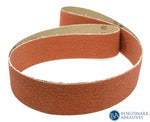
You might be wondering, "Can you use a belt sander on drywall?" A belt sander is a powerful tool, but it's generally not recommended for drywall finishing. Its aggressive nature can quickly remove too much material, leading to gouges, uneven surfaces, and significant damage.
This guide will clarify why belt sanders are typically unsuitable for drywall, introduce the best types of sanders for drywall, explain their features, and help you pick the right one for your project.
Why a Belt Sander is NOT Ideal for Drywall?
A belt sander is a powerful power tool designed for aggressive material removal, commonly used on wood to quickly strip paint, smooth rough lumber, or level uneven surfaces. Its continuous, high-speed abrasive belt makes it highly efficient.
However, these same properties also make it challenging to use on drywall:
- Excessive Aggressiveness: Drywall joint compound is relatively soft. A belt sander can remove far too much material in an instant, creating deep divots or gouges that are difficult to repair.
- Lack of Control: Controlling a belt sander for the fine feathering required on drywall seams and patches is difficult because of its high power and speed.
- Dust Production: While all sanding creates dust, a belt sander generates an enormous amount of fine drywall dust very quickly, making dust management even more challenging.
- Risk of Damage: It's easy to sand through the paper facing of the drywall sheet itself, which compromises the structural integrity and creates a fuzzy, uneven surface that's almost impossible to paint smoothly.
While the article mistakenly suggests a belt sander is ideal, its description of "removing old paint or roughing up a wall before painting" better aligns with its use on wood or other robust surfaces, not typically drywall. For proper drywall finishing, gentler tools are required.
Choosing the Right Sander for Drywall: Recommended Types
When it comes to sanding drywall, there are several types of sanders available. The most common one is the belt sander, which is usually used to smooth the surface of the drywall. Next, we'll explore drywall sanders: their types, features, and selection tips.
Types Of Drywall Sanders
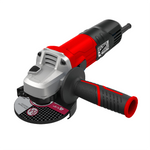
A sander, or power sander, is a potent tool for sanding, dusting, and smoothing the top layer of joint compound on drywall. Power sanders have electric motors and use abrasive sandpaper to achieve a smooth finish. The most common and recommended drywall sanders are as follows:
1. Random Orbital Sander
-
Best For: Small to medium drywall repairs, patching, and finishing. Excellent for achieving a smooth, swirl-free finish.
-
Features: These sanders move the sanding disc in small, random orbits, preventing the creation of noticeable swirl marks. They are relatively compact and easy to control.
-
Dust Collection: Many random orbital sanders feature integrated dust collection bags or ports for vacuum attachment, which is highly beneficial for drywall dust.
-
Recommendation: A 5-inch or 6-inch random orbital sander with variable speed control is a versatile choice for most DIY drywall projects.
2. Sheet Sander (Palm Sander / Finishing Sander)
-
Best For: Very small patches, corners, and light touch-ups. Suitable for fine finishing.
-
Features: Uses a quarter, third, or half sheet of standard sandpaper. It vibrates in tiny orbital motions. Less aggressive than a random orbital sander.
-
Limitations: Can be slow for larger areas and may leave very fine swirl marks if not used carefully.
3. Hand Sander (Sanding Pole / Hand Sanding Block)
-
Best For: Small patches, corners, fine details, and sensitive areas where power tools might be too aggressive. Essential for final touch-ups.
-
Features: Simple, non-powered tools that hold sandpaper. Pole sanders (long handles with a swivel head) are excellent for ceilings and high walls. Hand-sanding blocks are perfect for precision.
-
Dust Control: Often features clamps to hold drywall sanding screen, which allows dust to pass through for vacuum attachment, or specialized sanding sponges that trap dust.
-
Recommendation: Always have a hand sanding block and a pole sander on hand, even if you use power tools. They offer unmatched control.
4. Drywall Sander (Pole Sander / Wall Sander)
-
Best For: Large drywall projects, new construction, and extensive renovations (e.g., entire rooms or houses). Professionals often use these.
-
Features: These are specialized, large-head sanders designed for drywall, often with a long, extendable pole. They usually feature a large, circular sanding head (9-10 inches) that either rotates or orbits.
-
Dust Collection: Crucially, drywall sanders have powerful, integrated dust collection systems, often requiring connection to a shop vacuum to manage the immense amount of dust generated over large surfaces.
-
Limitations: They can be expensive for DIYers and are less maneuverable for small, intricate areas.
Related Article: Belt Sander vs Orbital Sander
How to Effectively Sand Drywall (General Tips)
Regardless of the sander you choose, proper technique and safety are paramount for a smooth finish:
- Wear Proper PPE: Drywall dust is extremely fine and can be harmful to your lungs. Always wear a respirator mask (N95 or better), safety glasses, and gloves. Consider a full-body suit if tackling a large project.
- Ensure Good Ventilation: Open windows and run fans to ensure good ventilation. To control dust more effectively, connect your sander to a shop vacuum.
-
Use Appropriate Grit Sandpaper:
- First coat/rough sanding: Start with 80-100 grit sandpaper for initial leveling.
- Subsequent coats/smoothing: Move to 120-150 grit.
- Final finish: Use 180-220 grit for a silky-smooth surface ready for primer and paint.
- Apply Light and Constant Pressure: Excessive pressure can create gouges or uneven spots.
- Work in Sections: Tackle one section at a time, using overlapping strokes to ensure even sanding.
- Check Your Work: Regularly feel the sanded surface with your hand (after wiping away dust) to identify any high spots, low spots, or imperfections. Use a bright work light held at an angle to reveal shadows caused by unevenness.
- Clean Thoroughly: After sanding, wipe down the entire area with a damp cloth or sponge to remove all remaining dust before priming.
Conclusion
Having the proper sander for the job is crucial in any industry, especially when working with drywall. While belt sanders are powerful tools, their aggressiveness makes them largely unsuitable for the delicate work of drywall finishing. Depending on your project, you might prefer a random orbital sander for versatility, a hand sander for extra precision, or a dedicated drywall sander for large areas.
By selecting the correct tool and applying proper sanding techniques, you can achieve an optimal, professional-grade finish for your drywall, ensuring it appears as smooth and flawless as possible.
Join Our Newsletter
Sign up to get the latest on sales, new releases and more …Join Our Newsletter
Sign up to get the latest on sales, new releases and more …Shop Categories
Recent Articles
- Resin Fiber Discs: Proper Storage and Handling Techniques
- Sanding Belt Safety Tips: Best Practices for Safe Operation
- 1X30 Sanding Belts for Metalworking & Knife Making
- Why Sanding Belts Stop Cutting Efficiently
- Best Sanding Discs for Automotive Paint Preparation
- How to Change Sandpaper on a Drum Sander
- Sanding Drums for Metal, Finishing, and Deburring
- Sanding Disc Accessories: Backing Pads & Disc Tools
- Random Orbital Sander
- Ways to Remove Rust from Metal
Featured Products
-
 746 Reviews
4-1/2" x 7/8" T29 Zirconia High Density Flap Disc - 10 pack
$25.19
-
 738 Reviews
4-1/2" x .040 x 7/8" T1 Premium Thin Cut-off Wheel - 25 pack
$20.88
-
 220 Reviews
4-1/2" x 7/8" T27 Zirconia High Density Flap Disc - 10 pack
$25.19
-
 380 Reviews
6" x .045 x 7/8" T1 Premium Thin Cut-Off Wheel - 25 pack
$27.29
-
 55 Reviews
Nonwoven 6" x 9" Scuff, Clean & Finish Hand Pads
$0.83
-
 123 Reviews
4-1/2" x 1/4" x 7/8" T27 Depressed Center Grinding Wheel - 25 pack
$28.34


Blog Categories
- Abrasives
- Sanding
- Grinding Deburring Finishing
- Safety and Cleanliness
- Metal Working
- Selecting Tools And Equipment
- Wood Working
- Art And Design
- Diy Projects
- Industry 4.0
- Buffing
- Cutting Tools
- Carbide Burrs
- PPE
- Wire Brushes
- Bonded Abrasives
- TIG Electrodes
- Wire Wheels
- Bits
- Diamond Blades
- Power Brushes
- Product Reviews
- Grinding
- Finishing
- Industrial Cleaners