




























Who Invented The Belt Sander
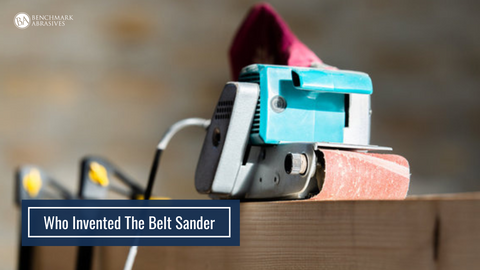
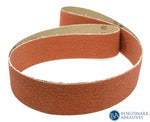
Belt sanders are essential tools used across various industries for rapid material removal, finishing, and polishing. They are used for woodworking, metalworking, and manufacturing processes. We use sanding belts to grind in our daily job, but are you familiar with their past? The development of sanders significantly contributed to many abrasive operations in the abrasive industry. We have created this detailed guide to explain the history of belt sanders, their invention, and the technological advancements that have shaped their role in modern industry.
History of The Belt Sanders
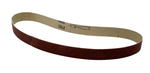
Coated abrasives, also called sandpaper or abrasive cloth, are used in grinding when using sanding belts. The first sandpaper was invented in 1760, although it could only be operated manually then. Sandpaper and emery cloth mechanical use did not begin until 1900 to 1910.
It was initially applied in the wood industry as an endless sanding belt. The first iteration of belt grinding used this mechanical process with an infinite emery cloth belt. Abrasive belt grinding evolved into metal processing after 1930.
In Weapon production during World War II, the United States grabbed the lead and saw clear benefits from abrasive belt grinding. Beginning in 1950, the development of the electrostatic sand planting method propelled belt grinding to the next level, and its use grew more widespread.
Development of Mechanical Belt Grinding
The development of mechanical belt grinding began in the early 1900s, marking a significant milestone in surface finishing technology. During this period, innovative companies started to utilize abrasive cloth and belts as reusable grinding mediums, replacing traditional hand-held methods. These early belt grinding machines made it easier for manufacturers and carpenters to produce smooth, flat surfaces, significantly boosting productivity. The evolution of abrasive materials, such as emery, garnet, and later synthetic abrasives, also contributed to the efficiency of belt grinders.
Modern Belt Sanders
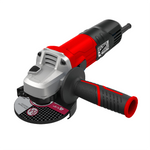
The belt sanders are highly advanced in the modern era and incorporate sophisticated features. Modern designs include variable speed controls, improved dust collection systems, and ergonomic features that reduce operator fatigue. Several research and development projects involving belt-grinding technology were carried out simultaneously in Europe and Japan. As a result, belt grinding technology eventually evolved into a separate processing technology sector with complete categories and technical systems.
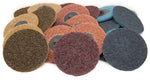
Advances in abrasive materials like ceramic, zirconia alumina, and electrostatic belts have increased cutting efficiency and belt lifespan. The integration of easy controls and cordless technology has made belt sanding more precise, safer for a wide range of applications.
Conclusion
The evolution of belt grinding technology and improvements made the surface finishing processes easier. From simple manual tools to today's highly sophisticated machines, belt sanders have transformed from basic abrasive belts into essential tools for manufacturing, woodworking, and metalworking. With the introduction of new materials and automation, belt grinding remains a dynamic field, ensuring more efficiency, safety, and precision in the future.
Join Our Newsletter
Sign up to get the latest on sales, new releases and more …Join Our Newsletter
Sign up to get the latest on sales, new releases and more …Shop Categories
Recent Articles
- Resin Fiber Discs: Proper Storage and Handling Techniques
- Sanding Belt Safety Tips: Best Practices for Safe Operation
- 1X30 Sanding Belts for Metalworking & Knife Making
- Why Sanding Belts Stop Cutting Efficiently
- Best Sanding Discs for Automotive Paint Preparation
- How to Change Sandpaper on a Drum Sander
- Sanding Drums for Metal, Finishing, and Deburring
- Sanding Disc Accessories: Backing Pads & Disc Tools
- Random Orbital Sander
- Ways to Remove Rust from Metal
Featured Products
-
 746 Reviews
4-1/2" x 7/8" T29 Zirconia High Density Flap Disc - 10 pack
$25.19
-
 738 Reviews
4-1/2" x .040" x 7/8" t1 premium thin cut-off wheel - 25 pack
$20.88
-
 220 Reviews
4-1/2" x 7/8" T27 Zirconia High Density Flap Disc - 10 pack
$25.19
-
 380 Reviews
6" x .045 x 7/8" T1 Premium Thin Cut-Off Wheel - 25 pack
$27.29
-
 55 Reviews
Nonwoven 6" X 9" Scuff, Clean & Finish Hand Pads
$0.83
-
 123 Reviews
4-1/2" x 1/4" x 7/8" T27 Depressed Center Grinding Wheel - 25 pack
$28.34


Blog Categories
- Abrasives
- Sanding
- Grinding Deburring Finishing
- Safety and Cleanliness
- Metal Working
- Selecting Tools And Equipment
- Wood Working
- Art And Design
- Diy Projects
- Industry 4.0
- Buffing
- Cutting Tools
- Carbide Burrs
- PPE
- Wire Brushes
- Bonded Abrasives
- TIG Electrodes
- Wire Wheels
- Bits
- Diamond Blades
- Power Brushes
- Product Reviews
- Grinding
- Finishing
- Industrial Cleaners