



























Flap wheel vs Flap Disc

Flap discs and flap wheels are both essential coated abrasives used for deburring, cleaning, and finishing metal. While both rely on overlapping flaps for continuous cutting, their geometry and mount type make them suitable for vastly different jobs. This guide details the critical differences so you can choose the right tool—from flat surface grinding to polishing intricate corners.
Flap Discs
A flap disc is constructed with dense, overlapping abrasive flaps adhered to a rigid backing plate (typically fiberglass or plastic).
Key Characteristics and Benefits
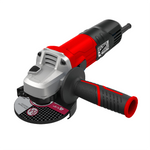
Flap discs are the most versatile and powerful attachments for a right-angle grinder. They offer a similar metal removal rate as a grinding wheel but provide the ability to grind and finish metal simultaneously.
- Dual Function: A flap disc eliminates the need to switch between an aggressive grinding wheel and a softer sanding disc, saving time.
- Application Angle: Flap discs are typically used at a shallow angle (5° to 15°) relative to the workpiece, allowing for better blending and a smoother finish with less gouging and burning.
- Longevity: Discs with higher flap density will last longer and provide better consistency, especially when performing aggressive stock removal, which can quickly wear down a normal-density disc.
Flap Wheels
Flap wheels are made up of multiple abrasive sheets connected to a central hub or core. They are designed to fit onto a die grinder, straight grinder, or drill.
Key Characteristics and Use
Flap wheels are primarily utilized for a wide range of jobs involving hard-to-reach areas, concave shapes, pipes, and tubes. Their cylindrical design allows them to wrap around contours that a flat disc cannot access.
- Geometry Focus: They excel at deburring, cleaning, polishing, and finishing internal areas, corners, and irregular surfaces in metalworking, fabrication, and finishing for painting or rust removal.
- Material: Coated abrasive flap wheels are typically made from aluminum oxide (alumina) materials, providing consistent grinding and finishing for various applications.
Also Read: Flap Disc vs Sanding Disc
Flap Wheel Configurations
Flap wheels come in two main types, expanding their utility far beyond simple die-grinder applications:
- Shank-Mounted Flap Wheels: They are widely utilized and their abrasive flaps are permanently mounted to a shank that fits directly into a die grinder. They are used for precision work on smaller pipes, internal castings, and tight corners.
- Unmounted Flap Wheels (Log Rolls): These are large, slit rolls of abrasive flaps mounted onto a spindle or arbor by the user. They are designed for use on automated machinery to finish wide, flat, or slightly contoured surfaces like wide sheets of stainless steel or large weld seams, where a small disc would be impractical.
Flap Wheel vs Flap Disc: Comparison and Advantages
Choosing between the two tools comes down to geometry: if the surface is flat, use a disc; if the surface is contoured, rounded, or internal, use a wheel.
| Tool | Mounting Equipment | Optimal Surface Geometry | Typical Application Angle |
| Flap Disc | Right-Angle Grinder | Flat surfaces, external edges, flat welds | Shallow (5° - 15°) |
| Flap Wheel | Die Grinder, Drill, Straight Grinder | Contours, pipes, internal surfaces, corners | Straight-on (90°) |
Shared Benefits for Metalworking
Both flap discs and flap wheels are preferred over traditional grinding consumables due to their shared advantages:
- Cooler Cutting: The flexible flap design provides a cooling tendency, producing less heat and minimizing the risk of metal discoloration or warping.
- Better Finish: They provide a superior finish with minor gouging, enhancing the luster of the final piece.
- Comfort and Safety: Both reduce vibration and resulting operator fatigue. Their construction also means less risk of pieces flying off, making them safe to use.
- Cost Control: While the initial cost may be slightly higher than basic sanding consumables, the ability to combine grinding and finishing, especially with a flap wheel in a tight spot, offers superior value by reducing the labor and time required for high-value finishing.
Also Read: Flap Disc vs Wire Wheel
Join Our Newsletter
Sign up to get the latest on sales, new releases and more …Join Our Newsletter
Sign up to get the latest on sales, new releases and more …Shop Categories
Recent Articles
- Felt Polishing Discs, Flap Discs & Flap Wheels
- How to Polish a Weld to a Mirror Finish
- How to Polish Cast Aluminum
- Luke Hummer - Erie County Community College
- Industrial Quick Change Discs for Fast-Lock Grinding and Finishing
- Felt Polishing Wheels, Bobs & Discs: Guide to Detail Work
- Matthew Cartwright
- Jacob Martinez (Foxholes to Fabworks)
- The Gathering
- David Fisher (Fisher Forge)
Featured Products
-
 746 Reviews
4-1/2" x 7/8" T29 Zirconia High Density Flap Disc - 10 pack
$25.19
-
 738 Reviews
4-1/2" x .040 x 7/8" T1 Premium Thin Cut-off Wheel - 25 pack
$20.88
-
 220 Reviews
4-1/2" x 7/8" T27 Zirconia High Density Flap Disc - 10 pack
$25.19
-
 380 Reviews
6" x .045 x 7/8" T1 Premium Thin Cut-Off Wheel - 25 pack
$27.29
-
 55 Reviews
Nonwoven 6" x 9" Scuff, Clean & Finish Hand Pads
$0.83
-
 123 Reviews
4-1/2" x 1/4" x 7/8" T27 Depressed Center Grinding Wheel - 25 pack
$28.34


Blog Categories
- Abrasives
- Sanding
- Grinding Deburring Finishing
- Safety and Cleanliness
- Metal Working
- Selecting Tools And Equipment
- Wood Working
- Art And Design
- Diy Projects
- Industry 4.0
- Buffing
- Cutting Tools
- Carbide Burrs
- PPE
- Wire Brushes
- Bonded Abrasives
- TIG Electrodes
- Wire Wheels
- Bits
- Diamond Blades
- Power Brushes
- Product Reviews
- Grinding
- Finishing
- Industrial Cleaners