



























A Beginners Guide To Metal Polishing

Wondering how rough or scratched metal can be transformed into a smooth, polished surface? Polishing, also known as finishing or buffing. Metal polishing is the process of removing dents and scratches from metal surfaces, which results in achieving the proper shine and luster. This can be achieved with the use of buffing wheels, aided by polishing or buffing compounds.
Metal polishing uses buffing wheels and buffing compounds to achieve the desired cut and shine. This guide explains the fundamental steps and tools required for effective metal polishing. Whether you are starting a new project or restoring an old item, understanding the right techniques will help you achieve professional-quality results.
Now, let’s proceed towards the method and begin with how to do metal polishing.
Step-by-Step Guide on How to Do Metal Polishing?

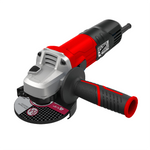
- Add the tapering mandrel to the angle grinder or bench grinder & spindle adaptor to the machine.
- Now add the buffing or polishing wheel with a mandrel and fix it with the screw.
- Start the machine for around 3 to 5 seconds while applying the polishing compound to the buffing wheel. Because the metal polishing compound is wax and abrasive, the spinning polishing wheel generates heat, causing the wax and abrasive to melt onto the polishing buffing wheel.
- Apply average pressure to the polishing buffing wheel or the item to be polished. We need perfect finishing on the metal surface, so it is important to remove any dents and scratches.
- Whenever it seems (during the process) the buffing wheel is getting dry, apply more buffing compound.
- Remove the polishing wheel once all scratches are removed and you are almost satisfied with the finish.
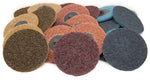
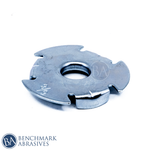
- After that now attach the polishing quick change disc to the mandrel and fix it tightly.
- Repeat step 3, start the machine (for 3 seconds), and apply the polishing compound to the wheel.
- Apply soft pressure to the polishing wheel and workpiece to remove the poor finishing left by step 6.
- Apply further polishing compounds to the buffing wheel when required.
- If you obtain the semi-bright finishing on the surface, again, change the old wheel with a new cotton spiral buffing wheel.
- Attach the wheel with a mandrel and fix it.
- Repeat step 8 and follow similar instructions.
- Apply medium pressure to the wheel and metal workpiece to remove the poor finishing left by step 9.
- Apply more compound to the polishing wheel when required.
- Your workpiece should now be well finished and polished. So, switch off the machine and clean it with a microfiber cloth. Softly rubbing with a microfiber cloth will remove unwanted residue like grease or polishing compound from the surface.
Well, now you have a well-polished and finished product. The above steps were easy for beginners to get perfect metal polishing. Hope you are now well known for what metal polishing is and the method of metal polishing. For precautionary and safety reasons, follow the quick tips below for metal polishing.
Top Tips For Metal Polishing
- Constantly adjust the polishing direction to match the size and shape of your workpiece.
- Avoid unnecessary usage of polishing compounds on buffing wheels. This results in a black mark on the workpiece.
- After polishing, don't forget to clean your workpiece with a new microfiber cloth.
- More is not always best; the same rule applies to polishing compounds.
- Do not apply new or different compounds over the applied compound.
- If you change the color of a compound, always use a new buffing wheel, unless there is a shortage.
- If you are applying a different polishing compound on the same buffing wheel, first clean the wheel with a wire brush to remove the residues.
- Take precautions and wear proper safety gear while working.
Conclusion
Polishing metal requires the right tools, compounds, techniques, and safety practices, making it an art for fabricators. Whether restoring an old watch, refining automotive parts, or crafting custom jewelry, understanding the step-by-step process will empower you to achieve professional finishes. Remember, every metal type and project may require slight adjustments in approach. Don’t hesitate to experiment carefully and learn from each polishing session. Safety should never be overlooked. Protect yourself with appropriate gear and work in a well-ventilated space.
Join Our Newsletter
Sign up to get the latest on sales, new releases and more …Join Our Newsletter
Sign up to get the latest on sales, new releases and more …Shop Categories
Recent Articles
- Proven Ways to Reduce Surface Roughness in Metal Milling
- What is Metal Shearing: Process, Applications, and Finishing
- 10 Essential Metal Fabrication Processes Explained
- Essential Metal Fabrication Tools: The Only Checklist You’ll Ever Need (Jason Hurst Approved)
- How To Deburr Metal
- A Step-By-Step Guide To Remove Spot Welds With Air File Sander
- How to Remove Mill Scale: Step-by-Step Guide
- The Role Of Abrasives In Modern Construction: Beyond The Surface
- Exploring The Art Of Metal Sculpting With Abrasives
- Abrasives in Renewable Energy: Applications In Solar And Wind Industries
Featured Products
-
 746 Reviews
4-1/2" x 7/8" T29 Zirconia High Density Flap Disc - 10 pack
$25.19
-
 738 Reviews
4-1/2" x .040" x 7/8" t1 premium thin cut-off wheel - 25 pack
$20.88
-
 220 Reviews
4-1/2" x 7/8" T27 Zirconia High Density Flap Disc - 10 pack
$25.19
-
 380 Reviews
6" x .045 x 7/8" T1 Premium Thin Cut-Off Wheel - 25 pack
$27.29
-
 55 Reviews
Nonwoven 6" X 9" Scuff, Clean & Finish Hand Pads
$0.83
-
 123 Reviews
4-1/2" x 1/4" x 7/8" T27 Depressed Center Grinding Wheel - 25 pack
$28.34


Blog Categories
- Abrasives
- Sanding
- Grinding Deburring Finishing
- Safety and Cleanliness
- Metal Working
- Selecting Tools And Equipment
- Wood Working
- Art And Design
- Diy Projects
- Industry 4.0
- Buffing
- Cutting Tools
- Carbide Burrs
- PPE
- Wire Brushes
- Bonded Abrasives
- TIG Electrodes
- Wire Wheels
- Bits
- Diamond Blades
- Power Brushes
- Product Reviews
- Grinding
- Finishing
- Industrial Cleaners