


























The Difference Between Chop Saw and Miter Saw

Saws are one of the most important hardware cutting tools. It is used for fast, precise cutting of metal, wood, and composites to meet demanding production and construction needs.
There is a wide variety of saws available for cutting jobs. The chop saws and miter saws are essential tools designed for accurate cutting in woodworking, metalworking, and construction projects. While they share similarities, they are designed for different tasks and excel in distinct applications. You can speed up your work with safety and precision by choosing the right saws. Whether you are a seasoned professional or a DIY user, understanding the fundamental differences between these tools will help you select the perfect saw for your project needs.
With the help of this guide, you will be able to work more effectively and intelligently by learning all the information you need about miter saws and chop saws.
What is a Chop Saw?

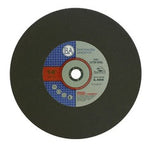
A chop saw blade has a grating turning circle mounted on a turning arm. There are no teeth on the circle; all things considered, a jewel covering is normally utilized for the scraped area. A chop saw easily takes care of the most vigorous materials. Other than the edge, chop saws contrast with the miter saws' inability. They can't turn left or right, so they are limited to cutting 90-degree points, as it were.
Chop saws are more extensive than miter saws and are widely utilized for their immense power. The typical size of a common cutting blade is 14 inches. Additionally, when using a chop saw, some material may produce sparks, so it’s important to keep flammable materials away from the working area.
Uses of Chop Saw
Chop saws make simple works of metal, artistry, wood, and composite materials. They even slice through blunders with installed nails. Development laborers love this instrument because while it is a beast of power, it also creates the most exact cuts on the innocuous cutting plate.
You can purchase various sharp edges for your chop saw, such as 14 chops saw wheels, yet be cautious on the off chance that you embed a toothed assortment. A chop saw is the bedrock of any great building site and is utilized to develop houses from the beginning.
What is a Miter Saw?
A miter saw is an upward, turning round edge mounted on a turning arm. It can turn to cut points, and the miter saw edge swings to the left or the option to cut miters, inclines, and compound cuts. Miter saws are more modest than chop saws. Their edges range from 8 to 12 inches.
Some miter saws are double incline, which means they can go both ways, so there is no compelling reason to flip the material you are chipping away to cut the other way.
Uses of Miter Saw
Miter saws make complex cuts. Along these lines, they are utilized basically for detail work in the crown and base moldings, as well as window and door jambs. The cut is so exact that it makes them the best instrument to get that expert completion. A miter saw is the staple apparatus of woodworkers and is utilized to add better detail to any development project.
Key Distinctions Between a Chop Saw and a Miter Saw
| Feature | Chop Saw | Miter Saw |
| Primary Use | Designed mainly for quick, heavy-duty cuts of metal, wood, and composite materials. Commonly used on construction sites for framing, rough cuts, and demanding industrial tasks. | Used for precise angled cuts, miter, bevel, and crosscuts in woodworking, often in finishing work, moldings, and cabinetry. Ideal for detailed and accurate cuts. |
| Blade Size | Typically equipped with large blades of 14 inches or more, enabling deeper cuts and handling larger materials. | Usually features smaller blades ranging from 8 to 12 inches, suitable for detailed, clean cuts in smaller workpieces. |
| Cutting Ability | Only cuts straight (perpendicular to the work surface) at 90°, making it ideal for framing or quick, rough cuts. | Capable of cutting at various angles, including miter, bevel, and compound cuts, enabling complex jointing and trim work. |
| Portability | Larger, heavier, and mostly stationary; designed for heavy-duty construction environments. | Compact, lightweight, and portable; suitable for workshops, on-site use, or versatile jobs where mobility is needed. |
| Application Focus | Primarily used in framing, metal fabrication, and large construction projects where speed and power are critical. | Focused on precision finish carpentry, trim work, crown molding, and window/door installation that require accurate angled cuts. |
Common Mistakes to Avoid with Chop and Miter Saws
- Incorrect Blade Placement: Incorrectly installing or incorrectly aligning the blade can result in inaccurate cuts and hazardous kickbacks. Always ensure the blade is properly installed and aligned with the cutting line before proceeding.
- No Safety Gear: Failing to wear safety glasses, ear protection, or gloves can result in injuries from flying debris or sparks. Always wear safety gear while working with saws.
- Cutting Without Support: Supporting the workpiece incorrectly or leaving it unsupported can cause uneven cuts, snaring, or kickback. Always ensure your material is well-supported and clamped securely.
- Forcing the Cut: Applying extreme force may cause the blade to become stuck or bend backward. Let the saw do the work at its natural cutting speed and avoid forcing the blade through the material.
Conclusion
Proper use of chop and miter saws is essential for achieving safe, accurate, and clean cuts. Avoiding common mistakes, such as improper blade installation and neglecting safety gear, results in improved cutting results and safety. Always prioritize proper setup, support, and safety precautions to maximize the lifespan of your tools and ensure professional-quality workmanship. With careful attention and responsible operation, these powerful tools can become invaluable assets in your cutting projects.
Join Our Newsletter
Sign up to get the latest on sales, new releases and more …Join Our Newsletter
Sign up to get the latest on sales, new releases and more …Shop Categories
Recent Articles
Featured Products
-
 746 Reviews
4-1/2" x 7/8" T29 Zirconia High Density Flap Disc - 10 pack
$25.19
-
 738 Reviews
4-1/2" x .040 x 7/8" T1 Premium Thin Cut-off Wheel - 25 pack
$20.88
-
 220 Reviews
4-1/2" x 7/8" T27 Zirconia High Density Flap Disc - 10 pack
$25.19
-
 380 Reviews
6" x .045 x 7/8" T1 Premium Thin Cut-Off Wheel - 25 pack
$27.29
-
 123 Reviews
4-1/2" x 1/4" x 7/8" T27 Depressed Center Grinding Wheel - 25 pack
$28.34
-
 55 Reviews
Nonwoven 6" x 9" Scuff, Clean & Finish Hand Pads
$0.83


Blog Categories
- Abrasives
- Sanding
- Grinding Deburring Finishing
- Safety and Cleanliness
- Metal Working
- Selecting Tools And Equipment
- Wood Working
- Art And Design
- Diy Projects
- Industry 4.0
- Buffing
- Cutting Tools
- Carbide Burrs
- PPE
- Wire Brushes
- Bonded Abrasives
- TIG Electrodes
- Wire Wheels
- Bits
- Diamond Blades
- Power Brushes
- Product Reviews
- Grinding
- Finishing
- Industrial Cleaners