



























What is a Flap Disc Used For

When it comes to metalworking, the flap disc is a top choice for fabricators due to its versatility and efficiency. A flap disc is a coated abrasive tool used to conform and shape metals, and it's a favorite for its ability to perform multiple tasks in a single step.
This guide will explain what a flap disc is, its common applications, and its key components.
What Is a Flap Disc?
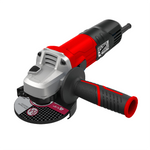
A flap disc is an abrasive tool made of overlapping abrasive pads, or "flaps," that are glued onto a backing plate. These backing plates are typically made of fiberglass, plastic, or metal and are designed to be attached to an angle grinder.
Flap discs are popular because they offer a cost-effective and efficient alternative to using both a grinding wheel for material removal and a fiber disc for finishing. By simply adjusting the pressure you apply—more pressure for aggressive grinding, less for a smooth finish—you can control the tool's function.
Common Uses for a Flap Disc
Flap discs are versatile tools used across a wide range of industries, including welding, machining, industrial maintenance, and agriculture. They are ideal for:
- Weld Blending: Smoothing and blending weld seams for a clean, professional finish.
- Deburring: Quickly removing burrs and sharp edges from metal parts.
- Paint and Rust Removal: Effective removal of rust and paint is possible by using a flap disc aggressively.
- Edge Grinding: Shaping and beveling metal edges.
- Flash Removal: Cleaning up excess material from molds and castings.
Key Components of a Flap Disc
Understanding the specific components of flap discs can help you choose the right one for your job.
1. Disc Shape
- Flat (Type 27): Used on flat surfaces for edge grinding and deburring.
- Conical (Type 29): Ideal for aggressive grinding and heavy stock removal. The conical shape provides a larger contact area for more efficient material removal.
- Compressed: This disc offers a high flap density, making it excellent for both edge grinding and heavy weld removal.
2. Backing Plates
Backing plates can be made of fiberglass, plastic, or metal, each providing a different level of stiffness and support.
3. Grain Types
The abrasive grain determines the disc's performance.
- Aluminum Oxide: A versatile and cost-effective grain for general-purpose work.
- Zirconia Alumina: Known for its good cut rate and durability, ideal for grinding stainless steel and other hard metals.
- Ceramic: The most durable and fastest-cutting grain, perfect for aggressive grinding and heavy-duty applications.
4. Grit and Flap Density
- Grit: A low grit number (e.g., 40) is coarse and used for aggressive material removal, while a high grit number (e.g., 120 grit) is fine and used for finishing.
- Flap Density: A low-density flap disc is better for heavy stock removal, while a high-density disc is better for working on curved or irregular surfaces.
Conclusion
Any metalworker needs flap discs, as they provide flexible, effective, and economical solutions for a variety of grinding and finishing tasks. By choosing the right combination of shape, grain type, and grit, you can achieve a professional-quality finish on your projects with a single, convenient tool.
Also Read:
Join Our Newsletter
Sign up to get the latest on sales, new releases and more …Join Our Newsletter
Sign up to get the latest on sales, new releases and more …Shop Categories
Recent Articles
- Felt Polishing Discs, Flap Discs & Flap Wheels
- How to Polish a Weld to a Mirror Finish
- How to Polish Cast Aluminum
- Luke Hummer - Erie County Community College
- Industrial Quick Change Discs for Fast-Lock Grinding and Finishing
- Felt Polishing Wheels, Bobs & Discs: Guide to Detail Work
- Matthew Cartwright
- Jacob Martinez (Foxholes to Fabworks)
- The Gathering
- David Fisher (Fisher Forge)
Featured Products
-
 746 Reviews
4-1/2" x 7/8" T29 Zirconia High Density Flap Disc - 10 pack
$25.19
-
 738 Reviews
4-1/2" x .040 x 7/8" T1 Premium Thin Cut-off Wheel - 25 pack
$20.88
-
 220 Reviews
4-1/2" x 7/8" T27 Zirconia High Density Flap Disc - 10 pack
$25.19
-
 380 Reviews
6" x .045 x 7/8" T1 Premium Thin Cut-Off Wheel - 25 pack
$27.29
-
 55 Reviews
Nonwoven 6" x 9" Scuff, Clean & Finish Hand Pads
$0.83
-
 123 Reviews
4-1/2" x 1/4" x 7/8" T27 Depressed Center Grinding Wheel - 25 pack
$28.34


Blog Categories
- Abrasives
- Sanding
- Grinding Deburring Finishing
- Safety and Cleanliness
- Metal Working
- Selecting Tools And Equipment
- Wood Working
- Art And Design
- Diy Projects
- Industry 4.0
- Buffing
- Cutting Tools
- Carbide Burrs
- PPE
- Wire Brushes
- Bonded Abrasives
- TIG Electrodes
- Wire Wheels
- Bits
- Diamond Blades
- Power Brushes
- Product Reviews
- Grinding
- Finishing
- Industrial Cleaners