



























Grinding Wheel vs Flap Disc vs Sanding Disc

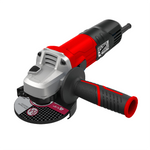
The most crucial factor to consider when using an angle grinder for DIY projects is the type of attachment. Although they are used for diverse tasks, the most popular angle grinder attachments are the sanding disc, flap disc, and grinding wheel.
Grinding wheels are mainly used for grinding, abrasive cutting, and machining tasks. Flap discs, on the other hand, are commonly used to shape and mold metal, and sanding discs are used to sand metal, wood, and other materials.
In addition, the grinding wheel, flap disc, and sanding disc have other differences. For further information on each of these grinder accessories, continue reading.
Comparing Grinding Wheel, Flap Discs, and Sanding Discs
An angle grinder is one of the most essential power tools for cutting metal. If you want to remove excess material from a metal surface, you can use a grinding wheel and a flap disc. Nevertheless, flap discs produce fewer sparks than grinding wheels. You can use a sanding disc for optimal sanding and finishing of metal. Let's go deep,
Grinding Wheel or Abrasive Wheel
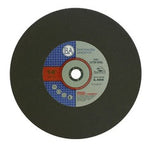
A grinding wheel, also known as an abrasive wheel, is an abrasive tool used for grinding and shaping metal. For effective grinding, there are thousands of cutting points on the surface of the abrasive wheel. To support various grinding and metal cutting tasks, the grinding wheel is composed of sharp-edged abrasive grains. This metalworking tool is perfect for heavy stock removal, rough mixing, and surface grinding applications.
What are Grinding Wheels Used For?
Grinding wheels are popularly used to remove excess materials from the surface of a metal. This wheel is also used to cut rust, weld spatter, and weld slag. Grinding wheels are available in different grits, like sandpaper. Low grit wheels are coarser and have a high material removal rate, while higher grit wheels are softer and have a lower material removal rate. Both high and low grit grinding wheels are used for grinding, finishing, cleaning, and metal polishing.
Pros and Cons of Grinding Wheels
Pros:
-
Aggressive Material Removal: Grinding wheels are highly suitable for cutting aggressively, which makes them perfect for cutting extremely hard materials, rough shaping, and deburring.
-
Suitable for Hard Materials: These wheels are perfectly suitable for handling extremely hard materials, including hardened steel, stone, concrete, and cast iron.
-
Durable: Due to their robust structure, these wheels can easily withstand high pressure while cutting heavy-duty materials.
Cons:
-
Rougher finish: Grinding wheels produce a rougher finish than flap discs or sanding discs, requiring further finishing processes.
-
Produces high heat: These wheels usually produce high heat due to their aggressive cutting action, which can cause harm to the material or the wheel. Hence, make sure to use proper coolants to minimize heat.
-
Increased risk of Gouging: Due to their aggressive nature, it's simpler to gouge or dig into the material if the grinding angle or pressure is not applied carefully.
-
Generates Noise & Vibrations: When compared to other abrasives, grinding wheels generate high noise and vibrations.
Flap Disc
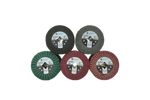
An abrasive tool consisting of several layers of abrasive-coated "flaps" is called a flap disc wheel. Flap Discs are an excellent angle grinder attachment for effective grinding and metal finishing. Flap discs produce less gouging and burning and provide cooler cutting than grinding discs. They are commonly used for grinding metal, finishing, deburring, and paint/rust removal. Flap discs make it simple to shape both ferrous and non-ferrous metals.
What are Flap Discs Used For?
Flap discs shape metal and remove deposited welds and slag from the surface. They remove metal more slowly than grinding wheels and produce fewer sparks. Flap discs are less durable than grinding wheels and can wear out quickly if not stored properly. When compared to grinding wheels and other abrasive tools, they are safer and simpler to use. While grinding and finishing, the flap disc generates less vibration and heat. For additional details, read what a flap disc is used for.
Pros and Cons of Flap Discs
Pros:
-
Less Heat Generation: Flap discs generate less heat due to their design, which helps improve airflow. This will help in minimizing heat and reduce the risk of damaging the material or the discs.
-
Less Gouging and Easy to Control: due to their flexible flap discs, they tend to gouge less into the material and offer better control.
-
Versatile: Flap discs are highly versatile and can be used for a variety of applications, such as grinding, deburring, paint or rust removal, edge breaking, and much more. They can also be used with various materials, such as metal, wood, or plastic.
-
Durable: because of its self-sharpening abilities, they are highly durable.
Cons:
-
Slow material removal: When compared to grinding wheels, flap discs are slower in removing material.
-
More expensive than sanding discs: flap discs are highly expensive when compared to sanding discs due to their longer lifespan and self-sharpening ability.
-
Can clog or load up: When dealing with softer materials, flap discs tend to clog or load up, minimizing their cutting capabilities.
-
Not suitable for fine finishing: Flap discs are not ideal for getting an excellent finish when compared to grinding wheels and sanding discs.
Sanding Disc
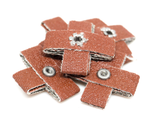
Another tool for using an angle grinder to sand wood, metal, and other materials is a sanding disc. Although it doesn't produce the same high-quality finish as an orbital sander or random orbital sander, angle grinder rotational sanding for wood works well for the majority of do-it-yourself jobs. Start with a low-grit sanding disc and gradually increase the grit, each time gently stroking the angle grinder across the surface of the wood.
What are Sanding Discs Used For?
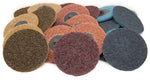
As their name implies, sanding discs are used to sand materials such as plastic, metal, and wood. They are available in almost all grit sizes and are designed for extra finishing (performing sanding before polishing). However, a sanding disc is not perfect for heavy-duty tasks such as removing large amounts of material and aggressive grinding. Additionally, sanding discs can be destroyed if they are used to eliminate slag or welds.
You can also use hook and loop discs instead of sanding discs and sandpaper to polish, remove rust, paint, and finish metals, wood, plastics, ceramics, and glass.
Pros and Cons Of Sanding Discs
Pros:
-
Suitable for fine finish: Sanding discs are perfectly ideal for achieving an excellent finish when compared to grinding wheels and flap discs.
-
Perfect for surface preparation: sanding discs are highly suitable for preparing surfaces for further processes, including painting, varnishing, and much more.
-
Versatile: Sanding discs are highly versatile, as they can be used to work on different materials, including metal, wood, plastics, painted surfaces, and even composites.
-
Simple to use: Compared to grinding wheels, flap discs are usually simpler to use. They require less force, which makes them a perfect choice for beginners.
-
Reduces heat: Sanding discs produce less heat due to their gentle abrasive action, minimizing the risk of damaging the material and the discs.
Cons:
-
Slowest material removal: Compared to all three options, sanding discs remove material very slowly, making them unsuitable for heavy stock removal.
-
Less durable: Sanding discs are less durable than other abrasive tools, mainly when using paper-backed discs. They tend to wear quickly when using harder materials.
-
Can clog easily: sandpaper discs tend to clog easily when removing material, which leads to ineffective material removal.
-
Limited to surface finishing: sanding discs are not appropriate for cutting or deburring, as they are commonly used for surface finishing tasks.
-
Pressure sensitivity: Applying too much pressure can clog or wear sanding discs, resulting in poor performance.
Read More:
Join Our Newsletter
Sign up to get the latest on sales, new releases and more …Join Our Newsletter
Sign up to get the latest on sales, new releases and more …Shop Categories
Recent Articles
- Resin Fiber Discs: Proper Storage and Handling Techniques
- Sanding Belt Safety Tips: Best Practices for Safe Operation
- 1X30 Sanding Belts for Metalworking & Knife Making
- Why Sanding Belts Stop Cutting Efficiently
- Best Sanding Discs for Automotive Paint Preparation
- How to Change Sandpaper on a Drum Sander
- Sanding Drums for Metal, Finishing, and Deburring
- Sanding Disc Accessories: Backing Pads & Disc Tools
- Random Orbital Sander
- Ways to Remove Rust from Metal
Featured Products
-
 746 Reviews
4-1/2" x 7/8" T29 Zirconia High Density Flap Disc - 10 pack
$25.19
-
 738 Reviews
4-1/2" x .040 x 7/8" T1 Premium Thin Cut-off Wheel - 25 pack
$20.88
-
 220 Reviews
4-1/2" x 7/8" T27 Zirconia High Density Flap Disc - 10 pack
$25.19
-
 380 Reviews
6" x .045 x 7/8" T1 Premium Thin Cut-Off Wheel - 25 pack
$27.29
-
 55 Reviews
Nonwoven 6" x 9" Scuff, Clean & Finish Hand Pads
$0.83
-
 123 Reviews
4-1/2" x 1/4" x 7/8" T27 Depressed Center Grinding Wheel - 25 pack
$28.34


Blog Categories
- Abrasives
- Sanding
- Grinding Deburring Finishing
- Safety and Cleanliness
- Metal Working
- Selecting Tools And Equipment
- Wood Working
- Art And Design
- Diy Projects
- Industry 4.0
- Buffing
- Cutting Tools
- Carbide Burrs
- PPE
- Wire Brushes
- Bonded Abrasives
- TIG Electrodes
- Wire Wheels
- Bits
- Diamond Blades
- Power Brushes
- Product Reviews
- Grinding
- Finishing
- Industrial Cleaners