



























Best Ways to Stripping Car Paint at Home

Whether you're prepping for a full repaint or just dealing with oxidized clear coat, stripping car paint at home requires careful technique to avoid damaging the body panels or primer. The best method depends on the paint's age and type. We break down the safest chemical strippers (soy, citrus) and manual methods (sanding, heat) to get your vehicle prepped for a perfect finish.
Top Ways to Strip Car Paint at Home

1. Chemical Stripping Methods (Low Fumes, High Safety)
If you choose to utilize a chemical-based stripper, always select a paste or gel formula. They are less volatile and produce fewer harmful vapors than thin liquid formulas.
Soy-Based Gel Paint Removers
- Chemistry: Contains methyl soyate, a bio-based solvent refined from soybean oil.
- Pros: Significantly more feasible and harmless to the ecosystem than oil-based strippers. Very low odor.
- Cons: Slower acting than traditional chemicals; requires a longer dwell time (30+ minutes).
Citrus-Based Paint Removers
- Chemistry: Contains terpenes, natural compounds usually derived from oranges.
- Pros: Fast-acting, pleasant scent compared to harsh chemicals. Effective on most automotive paints.
- Cons: It can be oily/greasy and leave a residue that needs to be cleaned thoroughly.
2. Manual and Mechanical Stripping
Manual methods are slower but allow for precise control over the removal process. The primary risk here is damaging the thin metal panels by creating too much friction heat or sanding too deeply.
Sanding the Vehicle (Grits and Technique)
Using sandpaper or an electric sander requires patience. Sanding too deeply will permanently damage the surface.
Choose Sanding Grits:
- Start with 80-Grit: Use this to break through the clear coat and color coat layer only.
- Move to 150-Grit: Switch immediately to this medium grit to smooth the 80-grit scratches.
- Finish with 220-Grit: This fine grit prepares the old primer (or exposed metal) for the new primer layer.
Warning: Never start with aggressive grits like 40 or 60, as these will quickly cut through the primer and metal, creating dips and destroying the body filler.
Heat Gun Method
A heat gun (not a blowtorch!) can be used to locally soften and loosen the paint, causing it to bubble. This makes subsequent scraping with a plastic or non-metal scrubber easier. Use this method sparingly on car panels, as excessive, focused heat can quickly warp the thin body metal, leading to costly bodywork repairs.
Abrasive Wire Wheels and Discs
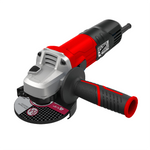
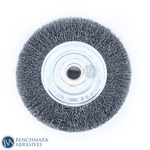
Abrasive wire wheels (on a drill or grinder) are fast for large areas but must be used with extreme caution. They can quickly cut into the metal and create deep gouges, making them generally ill-suited for the final, smooth finish required on a car.
3. The Step-by-Step Car Paint Removal Process
Regardless of which method you choose, a structured approach is required to guarantee a clean, professional surface.
A. Set Up and Protect
- Cover the Vehicle: Use painter's tape to cover all glass (windows and mirrors), chrome (wheels, bumpers, trim), and all rubber seals and plugs. Protect these areas thoroughly, as stripper and sanding dust will damage them.
- Safety First: Make sure you are wearing all of your protective gear and working in an area with good ventilation, ideally outside.
B. Apply and Dwell (Chemical Method)
-
If using a stripper, apply it evenly with a paintbrush, focusing on consistent, thick strokes. For the prescribed dwell period, which is often 15 to 30 minutes (more for bio-based gels), let the stripper sit. You should see the paint begin to wrinkle and lift.
C. Remove the Paint and Stripper
- Once the paint lifts, gently use a plastic paint scraper or putty knife to remove the bulk of the material. Do not press hard, as this can scratch the metal.
- Wipe the area clean with an old cloth or sponge. The paint and stripper should slide to the ground.
D. Neutralizing the Surface (Critical Step)
- Most chemical strippers leave an active residue that must be neutralized before new paint or primer is applied. Failing to neutralize will cause the new finish to bubble or peel.
- Thoroughly rinse the stripped area with water, followed by a cleaning with a solvent like mineral spirits or denatured alcohol. Finish by wiping the entire area with an automotive grease and wax remover to ensure a perfectly clean surface ready for primer.
Join Our Newsletter
Sign up to get the latest on sales, new releases and more …Join Our Newsletter
Sign up to get the latest on sales, new releases and more …Shop Categories
Recent Articles
- Linear vs Circular Scratch Patterns: How to Control Your Finish Like a Pro
- Guide To Cross Pad Abrasive Sheets
- Understanding the Difference: T27 vs T29 Flap Discs
- Unveiling The Secrets Of Grinding Wheels: Types And Applications
- The Art Of Deburring: Techniques and Tools For Smooth Edges
- Exploring The Art Of Precision Grinding In Metalworking
- What Is The Strongest Abrasive Material?
- Bonded Abrasives Vs Coated Abrasives
- What is Electrochemical Deburring
- Are Ceramic Abrasive Products Superior?
Featured Products
-
 746 Reviews
4-1/2" x 7/8" T29 Zirconia High Density Flap Disc - 10 pack
$25.19
-
 738 Reviews
4-1/2" x .040" x 7/8" t1 premium thin cut-off wheel - 25 pack
$20.88
-
 220 Reviews
4-1/2" x 7/8" T27 Zirconia High Density Flap Disc - 10 pack
$25.19
-
 380 Reviews
6" x .045 x 7/8" T1 Premium Thin Cut-Off Wheel - 25 pack
$27.29
-
 55 Reviews
Nonwoven 6" X 9" Scuff, Clean & Finish Hand Pads
$0.83
-
 123 Reviews
4-1/2" x 1/4" x 7/8" T27 Depressed Center Grinding Wheel - 25 pack
$28.34


Blog Categories
- Abrasives
- Sanding
- Grinding Deburring Finishing
- Safety and Cleanliness
- Metal Working
- Selecting Tools And Equipment
- Wood Working
- Art And Design
- Diy Projects
- Industry 4.0
- Buffing
- Cutting Tools
- Carbide Burrs
- PPE
- Wire Brushes
- Bonded Abrasives
- TIG Electrodes
- Wire Wheels
- Bits
- Diamond Blades
- Power Brushes
- Product Reviews
- Grinding
- Finishing
- Industrial Cleaners