





























5 Most Common Types Of Metal Coatings
Metals have been the preferred material for many long periods because of their strength, adaptability, and durability. However, corrosion is undoubtedly the most frequent and well-known issue that people deal with when using metals.
Numerous strategies have been devised to lengthen the useful lives of metallic buildings and improve their corrosion resistance. Metal polishing is one of the most effective and practical forms of protection.
Metallic surfaces can be coated using various techniques, each with its advantages and drawbacks. The article will cover the applicability of some of the most popular types of metal coatings for different purposes in detail in the following sections.
How Metal Coatings Protect Structures and Surfaces?
Metal deterioration, or corrosion, is a process that takes place under particular circumstances. The most frequent form of corrosion happens when metals react with oxygen and moisture to produce different corrosion products. Rust is produced when iron combines with airborne oxygen and water to form iron (III) oxide. If you want to remove rust from metal tools, click to read the various processes.
The purpose of a metal coating is to prevent reactions with air and moisture by covering the metal object in an inert (non-reactive) layer.
5 Types Of Metal Coatings and Their Benefits
1. Anodizing
Anodizing is a technique used to encourage the development of a protective oxide coating on a metal's surface. The resulting oxide layer typically forms faster and is thicker than it would be if it were created organically. Although various non-ferrous metals can be anodized, aluminum responds fastest to the process. Aluminum components are electrolytically anodized by submerging them in an electrolytic solution and a cathode in a tank (usually aluminum or lead). For aluminum applications, it is exposed to an electrical current, which causes it to oxidize and create a barrier of defense.
Among all the coatings mentioned in this article, anodized finishes are the easiest to maintain. Periodically cleaning anodized surfaces with mild detergents is simple. A finished anodized surface can have a durable coated surface since it is chemically stable and does not break down under typical circumstances. Anodizing is non-toxic and produces no hazardous by-products because it is a natural process.
This technique's biggest flaw is that it is only effective on a few metals. Because ferrous metals cannot be anodized, this method cannot process common materials like steel and iron. The techniques can also constrain the colors that can be produced by anodizing.
2. Galvanizing
During the galvanizing process, the metal, often iron or steel, is immersed in a bath of molten zinc. When the coated metal is removed, it reacts with carbon dioxide and oxygen in the air to form a protective coating of zinc carbonate. The galvanizing process is a popular choice for many applications due to its many benefits. For example, zinc oxide coatings are very stable, long-lasting, and do not easily come off when applied to a metal substrate. Another benefit of galvanized steel is galvanic protection.
In other words, if the metal surface becomes exposed as a result of a dent, scratch, or cut in the metal, the zinc coating will shed its protective layer and preferentially rust. In maintenance treatments, this technique helps preserve the steel substrate. The primary disadvantage of the galvanizing process is its cost. For large steel structures, hot-dip galvanization (HDG) may be less expensive, but for smaller components such as nuts and bolts, it may not be as economical. Additionally, galvanized surfaces tend to become dull and gray, making them inappropriate for various uses.
3. Electroplating
The process of electrodeposition, commonly referred to as electroplating, entails depositing a thin layer of one metal on top of another. Both metals are submerged in an electrolytic solution during the electroplating process. The coated metal serves as the cathode, and the metal is coated as the anode. Metal ions migrate from the cathode to the anode when an electric current is applied to the electrolytic cell, forming the coating.
Excellent corrosion protection is provided via electroplating, which can also improve some of the mechanical qualities of the metal. Electroplating also results in a visually appealing surface texture, making it suitable for covering jewelry and ornaments.
Electroplating, however, might result in uneven coating thicknesses, rendering it unsuitable for high-precision applications. Additionally, the procedure is too expensive and labor-intensive for industrial use.
In the electroplating process, chemicals that could be toxic and hazardous are utilized as electrolytes. Care must be taken when dumping electrolyte compounds to prevent environmental pollution.
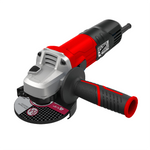
Metal grinding tools are widely used in the metal fabrication industry, from single fabrication units to large enterprises. Follow the link to learn about the best metal grinders and their attachments.
4. Coating With Powder
As the name suggests, powder coating entails covering an object with a material made of powder. The coating particles are electrically charged in an electrostatic process with polarities opposite those of the component to be coated. Due to the difference in charges, the powdered particles stick to the metal's surface. The coated object is then heated in an oven to firm the coating.
For their tenacity and attractive appearance, powder coatings are highly regarded. Additionally, there are hardly any volatile organic compound (VOC) emissions because powder coatings don't employ solvents. Although powder coatings may be cost-effective in the long run, they also have high start-up expenses. Specialized spray booths, ovens, and spraying equipment are needed for the coating process. This may also constrain the size of things that you can cover.
Additionally, it is challenging—if not impossible—to create thin coating layers. Compared to other coating techniques, the resultant surface is not the smoothest. Projects that need coatings with a thickness of fewer than six mills should use a different coating technique.
5. Paint Coating
In essence, applying liquid paint results in a painted layer. It is the most affordable and widely available type of metal coating. Several paint formulas can be utilized, depending on the type of metal, the working environment, and the performance requirements.
Other coating techniques are gradually superseding paint coatings for industrial purposes. Some paints may include poisonous substances and other volatile organic compounds (VOCs), which makes them environmentally dangerous. As a result of prolonged environmental contact, they are more likely to fade, peel, or flake off, making them less durable than other coating techniques.
Emerging Trends in Metal Coatings: Beyond Traditional Protection
While traditional metal coatings remain essential, the industry is rapidly evolving with innovative technologies that offer improved functionality and environmental benefits. Two significant trends are innovative coatings and sustainable metal coating practices.
Smart coatings are revolutionary, providing dynamic protection by reacting to external stimuli. This includes self-healing coatings that automatically repair minor damage, reducing maintenance and extending the life of the product. Other innovative metal coatings include sensors for real-time monitoring of conditions such as corrosion, which is particularly beneficial for high-value assets in aerospace, military, and infrastructure.
On the other hand, sustainable coating practices are gaining momentum due to environmental regulations and demand for eco-friendly solutions. The industry is moving towards metal coatings with low VOCs and hazardous materials, such as water-based and powder coatings. There is also active research on bio-renewable and biodegradable materials to reduce environmental impact from production to disposal, leading to safer products and a more responsible manufacturing approach.
Conclusion
It's crucial to remember that all coatings have a chance of failing. Understanding the benefits and drawbacks of each type is essential to choosing the appropriate coating type for your application.
Join Our Newsletter
Sign up to get the latest on sales, new releases and more …Join Our Newsletter
Sign up to get the latest on sales, new releases and more …Shop Categories
Recent Articles
- Proven Ways to Reduce Surface Roughness in Metal Milling
- What is Metal Shearing: Process, Applications, and Finishing
- 10 Essential Metal Fabrication Processes Explained
- Essential Metal Fabrication Tools: The Only Checklist You’ll Ever Need (Jason Hurst Approved)
- How To Deburr Metal
- A Step-By-Step Guide To Remove Spot Welds With Air File Sander
- How to Remove Mill Scale: Step-by-Step Guide
- The Role Of Abrasives In Modern Construction: Beyond The Surface
- Exploring The Art Of Metal Sculpting With Abrasives
- Abrasives in Renewable Energy: Applications In Solar And Wind Industries
Featured Products
-
 746 Reviews
4-1/2" x 7/8" T29 Zirconia High Density Flap Disc - 10 pack
$25.19
-
 738 Reviews
4-1/2" x .040" x 7/8" t1 premium thin cut-off wheel - 25 pack
$20.88
-
 220 Reviews
4-1/2" x 7/8" T27 Zirconia High Density Flap Disc - 10 pack
$25.19
-
 380 Reviews
6" x .045 x 7/8" T1 Premium Thin Cut-Off Wheel - 25 pack
$27.29
-
 55 Reviews
Nonwoven 6" X 9" Scuff, Clean & Finish Hand Pads
$0.83
-
 123 Reviews
4-1/2" x 1/4" x 7/8" T27 Depressed Center Grinding Wheel - 25 pack
$28.34


Blog Categories
- Abrasives
- Sanding
- Grinding Deburring Finishing
- Safety and Cleanliness
- Metal Working
- Selecting Tools And Equipment
- Wood Working
- Art And Design
- Diy Projects
- Industry 4.0
- Buffing
- Cutting Tools
- Carbide Burrs
- PPE
- Wire Brushes
- Bonded Abrasives
- TIG Electrodes
- Wire Wheels
- Bits
- Diamond Blades
- Power Brushes
- Product Reviews
- Grinding
- Finishing
- Industrial Cleaners