



























Guide to Abrasive Wheel Types and Their Applications
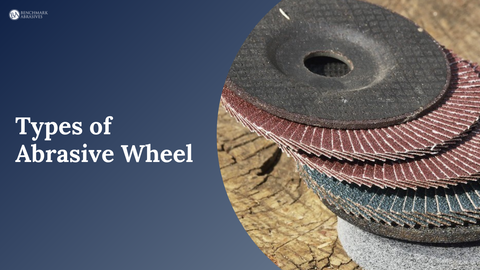
Abrasive wheels are essential tools found in workshops and industrial applications. They are used with grinder machines to shape, grind, cut, and finish various materials. These powerful wheels are composite structures built from countless tiny abrasive particles, known as "grit," held together by a specialized bonding material. The combination of abrasive type, grit size, bonding material, wheel grade, and structure determines a wheel's performance and suitability for specific tasks.
Understanding these key characteristics is the key to selecting the right abrasive wheel for optimal results, efficiency, and safety.
Key Characteristics of Abrasive Wheels
Several fundamental characteristics determine the capacity and performance of an abrasive wheel:
1. Abrasive Grain Type
This is the material that does the actual cutting. Its hardness, toughness, and sharpness define what materials the wheel can effectively grind.
- Aluminum Oxide: It is a tough, all-around abrasive best suited for strong metals like carbon and stainless steel.
- Silicon Carbide: It is a sharp but more brittle abrasive best suited for soft materials like cast iron and non-metals.
- Zirconia Alumina: For heavy-duty grinding on tough metals, choose Zirconia Alumina. It's a durable, self-sharpening abrasive, perfect for stainless steel and high-nickel alloys.
- Ceramic Alumina: A high-performance abrasive that stays sharp, making it great for tough materials and lasting a long time.
- Diamond/CBN: These are also known as super abrasives. Diamond works well on very hard non-metals (like glass and ceramics), while CBN is for hardened steels, keeping heat down.
2. Grit Size
Grit size refers to the size of the individual abrasive particles.
- Coarse Grit (e.g., 16-60): Applicable for rapid material removal, rough grinding, and shaping. Leaves a coarser finish.
- Medium Grit (e.g., 80-120): Suitable for general-purpose grinding and preparing surfaces for finer finishing.
- Fine Grit (e.g., 150-600+): Produces a smoother finish, and it is used for precision grinding, sharpening, and deburring.
3. Bonding Material/Type
It is the binder that holds the abrasive grains and shapes the wheel. The bond type influences the wheel's rigidity, cutting action, and speed capabilities.
- Vitrified Bond: The most common type, made from a glass-like material. It's rigid, strong, porous, and withstands heat well. Excellent for general grinding, precision grinding, and maintaining form.
- Resinoid Bond: Made from synthetic resins. These wheels are flexible, shock-resistant, and cut aggressively. They are ideal for high-speed cutting-off operations, rough grinding, and snagging.
- Rubber Bond: Offers high elasticity and strength, producing excellent finishes. Used for cut-off wheels and polishing.
- Shellac Bond: This is great for achieving a high-gloss finish and sharp, precise edges.
4. Grade (Wheel Hardness)
This refers to how strongly the bond holds the abrasive grains in the wheel, not the hardness of the abrasive grain itself.
- Soft Grade Wheels: The abrasive grains release easily, preventing "loading" (clogging) and allowing for fresh cutting edges. They're perfect for grinding tough materials or large surfaces.
- Hard Grade Wheels: The abrasive grains are held very tightly. These wheels last longer but can "load" more easily—best for grinding softer, more ductile materials or when contact areas are small.
5. Wheel Structure (Density)
This indicates the spacing between the abrasive grains within the wheel.
-
Open Structure: This structure features more space between grains, allowing for better chip clearance and cooler grinding. It is suitable for grinding soft or ductile materials (like aluminum) that tend to load the wheel.
- Dense Structure: Has less space between grains, meaning more abrasive material per unit area. This results in a finer finish and is effective for grinding hard or brittle materials.
Types of Abrasive Wheels (by Shape)

Based on their intended application and the type of grinding machine, abrasive wheels come in various standard shapes:
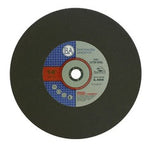
1. Straight Grinding Wheels: These are the most common type, disc-shaped, found on pedestal or bench grinders. They're also widely utilized for centerless and cylindrical surface grinding operations.
2. Cylinder or Wheel Ring: These wheels lack a central mounting support and are designed to sit on a long, wide surface. They're mainly used in horizontal or vertical spindle grinders to create flat surfaces.
3. Tapered Grinding Wheels: They are straight wheels that narrow towards the center of their outer surface. They're often used for specialized tasks such as grinding gear teeth or threads.
4. Straight Cup Wheels: They are a popular choice, particularly for cutter and gear grinders. They provide an extra grinding surface, which can be beneficial for specific applications.
5. Dish Cup Wheels: These wheels, characterized by a thin, cup-style grinding edge, are suitable for jug grinding and cutter grinding. Their design allows them to effectively cut in crevices and slots.
6. Saucer Grinding Wheels: These wheels are used explicitly for grinding twist drills and milling cutters. They are also popular in non-machining areas, for instance, by saw filers to maintain saw blades.
Abrasive Wheel Categories (Type Numbers)
Abrasive wheels are classified by standardized type numbers (e.g., as per ANSI B7.1 or ISO 525) to denote their shape and specific applications. This classification ensures consistency and safety.
- Type 1 (Straight Wheel): A thick, flat disc-shaped wheel.
- Type 41 (Flat Cut-off Wheel): A thinner, disc-shaped wheel typically used for cutting.
- Type 11 (Flaring Cup Wheel): This cup-shaped wheel features a grinding face that flares outward.
- Type 27 (Depressed Center Wheel): A saucer or center-depressed shaped wheel, often used with angle grinders for grinding and cutting.
- Type 27 Flap Wheel: Using the Type 27 shape, this is a coated abrasive product featuring numerous overlapping abrasive flaps bonded to a backing.
- Type 28 (Conical Cup Wheel): A cup-shaped wheel with a conical grinding face.
- Type 29 (Depressed Center Saucer Wheel): Similar to Type 27 but with a distinct saucer shape.
- Type 29 Flap Wheel: A coated abrasive product in a Type 29 shape, with overlapping flaps.
- Type 42 (Depressed Center Cut-off Wheel): A saucer/center depressed shaped wheel, often used for cutting.
Abrasive Wheel Benefits
Abrasive wheels are essential in modern manufacturing and construction due to their features and several benefits. They are highly effective at cutting even the hardest alloy steels, which can be difficult for traditional cutting tools to handle. These wheels not only have great power but also excel in precision, producing consistently smooth and accurate surfaces when the correct grit and type are used. This makes them ideal for applications that require aesthetic quality and tight tolerances.
Their high level of control makes it possible to remove and shape material precisely. In addition, abrasive wheels operate at high speeds, significantly reducing processing time and increasing overall grinding productivity, thereby increasing efficiency in industrial situations. Despite their power, they usually require minimal pressure from the operator or machine, making them user-friendly and reducing operational stress. This combination of power, precision, and efficiency establishes abrasive wheels as a fundamental technique for shaping and finishing a wide variety of materials.
Conclusion
Abrasive wheels are crucial tools in manufacturing and workshops, known for their versatility and precision in material removal and finishing. Understanding their characteristics—such as the type of abrasive particles, grit size, bond material, wheel grade, and composition—is essential to achieving outstanding performance and safety. Selecting the right wheel for the specific material and application ensures exceptional precision and efficiency, making them a necessary component in shaping and refining even the hardest materials, achieving excellence in industrial processes.
Join Our Newsletter
Sign up to get the latest on sales, new releases and more …Join Our Newsletter
Sign up to get the latest on sales, new releases and more …Shop Categories
Recent Articles
- Felt Polishing Discs, Flap Discs & Flap Wheels
- How to Polish a Weld to a Mirror Finish
- How to Polish Cast Aluminum
- Luke Hummer - Erie County Community College
- Industrial Quick Change Discs for Fast-Lock Grinding and Finishing
- Felt Polishing Wheels, Bobs & Discs: Guide to Detail Work
- Matthew Cartwright
- Jacob Martinez (Foxholes to Fabworks)
- The Gathering
- David Fisher (Fisher Forge)
Featured Products
-
 746 Reviews
4-1/2" x 7/8" T29 Zirconia High Density Flap Disc - 10 pack
$25.19
-
 738 Reviews
4-1/2" x .040" x 7/8" t1 premium thin cut-off wheel - 25 pack
$20.88
-
 220 Reviews
4-1/2" x 7/8" T27 Zirconia High Density Flap Disc - 10 pack
$25.19
-
 380 Reviews
6" x .045 x 7/8" T1 Premium Thin Cut-Off Wheel - 25 pack
$27.29
-
 55 Reviews
Nonwoven 6" X 9" Scuff, Clean & Finish Hand Pads
$0.83
-
 123 Reviews
4-1/2" x 1/4" x 7/8" T27 Depressed Center Grinding Wheel - 25 pack
$28.34


Blog Categories
- Abrasives
- Sanding
- Grinding Deburring Finishing
- Safety and Cleanliness
- Metal Working
- Selecting Tools And Equipment
- Wood Working
- Art And Design
- Diy Projects
- Industry 4.0
- Buffing
- Cutting Tools
- Carbide Burrs
- PPE
- Wire Brushes
- Bonded Abrasives
- TIG Electrodes
- Wire Wheels
- Bits
- Diamond Blades
- Power Brushes
- Product Reviews
- Grinding
- Finishing
- Industrial Cleaners