


























What are Cut-off Wheels and Their Applications?

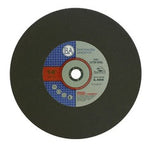
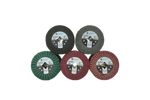
Cut-off Wheels are made with abrasive grain bonded with an organic bond system. Cut-off wheels are mainly used for cutting, notching, and grinding. Both portable and stationary tools use these cutting wheels on numerous materials, including aluminum, plastic, sheet, chrome steel, and more.
Whether you're an experienced metal fabrication professional or a DIY enthusiast trying your hand at a home project, using the right tools is essential to success and, most importantly, safety.
Cut-off wheels are powerful and versatile tools designed for precision cutting, but choosing the wrong wheel can lead to inefficiency and even serious injury. This guide will provide you with all the information you need, from the different types of cut-off wheels available to their typical applications, so that you can make an informed decision for your next project.
Types of Cut-off Wheels

When it comes to cutting wheels, there are many sorts of blades for every application on a construction site. Knowing the differences between these blades is essential for efficiency and effectiveness and for the safety of yourself and your coworkers.
Here is the list of the varied types of cutting wheels and therefore the intended materials they're manufactured to be used on:
1. Right Angle Cut-off Wheel
A blade intended for multiple applications, the proper angle wheel is often used for stone, steel, aluminum, concrete, cinder blocks, and lots of other things--including materials like automobile panels, metal studs, and angle brackets.
2. Depressed Center Wheel
The depressed center wheel may be a type of cutting blade generally used for smoothing welds, beveling, notching, and cleaning pipes, as well as cutting off most masonry materials.
3. Small-Diameter Reinforced Wheel
These blades are made to be used with die grinders for cutting and slotting shorter metal surfaces quickly and efficiently.
4. Circular Saw Reinforced Wheel
Very versatile blades; buzz saw reinforced edges are often used for deburring and slotting all kinds of metal, also for cutting building materials like sheet and roof decking.
5. Chop Saw Reinforced
These are blades commonly seen on construction sites due to their ability to form smooth and clean cuts. They're used to cut metal studs, rebar, and angle brackets.
There are various types of cutting wheels to choose from, especially once you are working with potentially sharp and dangerous materials like metal or masonry, and you want to select the right one for the work. The incorrect type of cutting wheel often leads to breaking or inefficiency, which may very quickly cause injury.
In addition to choosing the right type of blade, it is equally important to use a reputable distributor to ensure the best quality. Benchmark Abrasives provides quality abrasives, tools, and equipment you need for any metal fabrication job.
Applications of Cut-off Wheels
For large-scale metal manufacturing, cutting wheels are crucial. Their versatility directly impacts productivity and profitability, making them an essential tool. Here are their broad applications:
1. Pipeline Construction or Repair
When constructing or repairing a pipeline, professionals need cutting wheels that can perform well in harsh conditions and last for long periods. The depressed center provides added clearance when performing at a constrained angle, and a .045 wheel thickness is right for cutting applications in the fab yard or field repairs.
2. Metal Fabrication
Cutting wheels support fabrication shops by providing an aggressive cut rate and long wheel life, whether you're working with aluminum, armored steel, high-nickel alloys, steel, chrome, titanium, or alloy steel.
Related Article: Best Cut Off Wheel for Steel
3. Shipbuilding
In shipbuilding, nearly every component needs fabrication — from the ship's large external structures to smaller pieces like pipes, stairs, and handrails. While automation can assist with the manufacture of larger systems, smaller systems require cutting and grinding by hand before and after welding. Cutting wheels help shipbuilders get the work done quickly and safely, so you'll meet tight deadlines.
4. Manufacturing
No matter what type of product you manufacture, you would like to consider precision and price at every step of the process to satisfy clients and stay ahead of the competition. Our high-performing cut-off wheels improve operational efficiency and drive down costs.
5. Food and Pharmaceuticals
We provide contaminant-free cutting wheels for chrome steel cutting applications within the food processing and pharmaceutical manufacturing industries. These abrasive products contain but 0.1% sulfur, chlorine, and iron.
Safety Precautions When Using Cut-off Wheels
Before starting, always consider using safety gear. Taking the proper precautions is essential to avoid accidents when using a cut-off wheel. First, always wear the appropriate personal protective equipment (PPE), such as safety glasses, face protection, and gloves. Check your wheel for any cracks or damage before each use. Make sure your workpiece is firmly clamped so there is no movement, and do not exceed the maximum operating speed (RPM) specified on the wheel. Finally, always operate the tool with the proper safety guards in place. Following these easy steps can help you avoid common mistakes and ensure a safe, successful project.
How to Choose the Right Cut-Off Wheel
Abrasive cut-off wheels can complete even the right challenging tasks. However, for a cutting wheel to perform its best, you would like to place it to figure in an appropriate application. Choosing the correct type of cutting wheel helps ensure operator safety and maximize productivity. At Benchmark Abrasives, we offer a range of high-quality cutting wheels, so you can find an option that meets your expectations for:
1. Size - Cutting wheels ranging from 0.035 inches to 1/8 inches in thickness and between 2 inches and 14 inches in Diameter. Thinner wheels remove less material during a cut, while thicker wheels will generally last longer and perform better on thicker materials. When selecting a cutting wheel, always choose the thinnest wheel, which will serve the cut while maintaining the specified product life.
When selecting a cutting wheel, always choose the thinnest cutting wheel that can do the cutting while maintaining the required product life. Thin or T1 cut-off wheels cut less material, providing a cleaner, faster cut with less friction and heat. This is especially important for thin materials such as sheet metal, where a wide cut can deform the workpiece. In contrast, thicker wheels are more durable and are often preferred for more aggressive or heavier cutting applications on thicker materials such as rebar or angle iron.
2. Style - You can choose between Type 1 and Type 27 cutoff wheels. Type 1 wheels feature a flat profile to permit deep cuts, while Type 27 wheels feature a depressed center to supply greater clearance when performing at cramped angles.
3. Abrasive Grain - The abrasive grain and the bonding agent that make up your cutting wheel determine both the wheel's life and cut-rate. We manufacture wheels using high-quality materials:
- Ceramic alumina may be a self-sharpening abrasive that cuts at lower temperatures and with less friction, reducing heat discoloration of the workpiece. Ceramic grains utilize a crystalline structure designed with many fracture points that self-sharpen at a better rate than other grains. The results are a better material removal rate, faster-cutting speeds, cooler grinding, and reduced friction at less pressure, reducing operator fatigue.
- Zirconia alumina has self-sharpening crystals that delay under extreme pressure. It retains a high cut rate throughout the wheel's life, delivering exceptional performance.
- Aluminum oxide may be a single crystal that gives an initial hard cut.
- Silicon carbide is a hard and sharp grain for fast cutting.
Conclusion
In summary, selecting the appropriate cut-off wheel is essential to ensure efficiency, accuracy, and safety in any project. This guide highlights the importance of choosing the right wheel type based on the material, as well as considering size, style, and abrasive particles for best performance. Using the thinnest wheel suitable for your application can result in clean and fast cuts. By using the right wheel with the necessary safety measures, you can confidently perform a variety of tasks in industries such as metal fabrication, shipbuilding, food, and the pharmaceutical industries.
Join Our Newsletter
Sign up to get the latest on sales, new releases and more …Join Our Newsletter
Sign up to get the latest on sales, new releases and more …Shop Categories
Recent Articles
Featured Products
-
 746 Reviews
4-1/2" x 7/8" T29 Zirconia High Density Flap Disc - 10 pack
$25.19
-
 738 Reviews
4-1/2" x .040 x 7/8" T1 Premium Thin Cut-off Wheel - 25 pack
$20.88
-
 220 Reviews
4-1/2" x 7/8" T27 Zirconia High Density Flap Disc - 10 pack
$25.19
-
 380 Reviews
6" x .045 x 7/8" T1 Premium Thin Cut-Off Wheel - 25 pack
$27.29
-
 123 Reviews
4-1/2" x 1/4" x 7/8" T27 Depressed Center Grinding Wheel - 25 pack
$28.34
-
 55 Reviews
Nonwoven 6" x 9" Scuff, Clean & Finish Hand Pads
$0.83


Blog Categories
- Abrasives
- Sanding
- Grinding Deburring Finishing
- Safety and Cleanliness
- Metal Working
- Selecting Tools And Equipment
- Wood Working
- Art And Design
- Diy Projects
- Industry 4.0
- Buffing
- Cutting Tools
- Carbide Burrs
- PPE
- Wire Brushes
- Bonded Abrasives
- TIG Electrodes
- Wire Wheels
- Bits
- Diamond Blades
- Power Brushes
- Product Reviews
- Grinding
- Finishing
- Industrial Cleaners