


























What are Different Types of Hole Saws

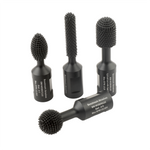
Hole saws are special drill bits designed to create wide circular holes by cutting only the circumference, making them essential for a variety of jobs, from plumbing to woodworking. This blog post will explain the different types of hole saws to help users choose the right hole saw for their specific needs.
Different Types of Hole Saws
Each type of hole saw can cut a select range of materials, some of which are far more durable and effective than others. The demand for accurate and efficient hole cutting in the construction, manufacturing, and DIY industries is driving the rapid expansion of the hole saw market. This growth is not just limited to new materials; significant technological advancements also drive it.
Manufacturers are constantly innovating to improve cutting performance, enhance durability, and improve the user experience. Key trends include the integration of advanced materials, a growing focus on sustainability, and the emerging advent of innovative technologies that are reshaping the way these essential tools are designed and used. These innovations aim to meet the rigorous demands of modern projects and provide improved efficiency, safety, and versatility for both professionals and beginners.
Various types of hole saws and their accessories are available.
1. Carbon Steel
A DIY specialist or enterprising home improver, a simple, general-purpose carbon steel Hole saw that performs effectively. While not the most durable, for use with softer materials, including wood, non-laminated plastic, and plasterboard, carbon steel hole saws are suitable.
2. Variable Pitch Bi-Metallic
Bi-metal construction increases protection by eliminating the risk of breaking, so consider them to be a decent step-up to deal with or operate over more extended periods with slightly harder materials. Many boast high-speed steel-reinforced teeth for quicker cutting, and variability allows you to cut according to your chosen material at different speeds. Best suited to non-laminated plastic, plasterboard, hardwood, plywood, and non-ferrous metals (such as aluminum, zinc, and copper).
3. Deep Cut Variable Pitch Bi-Metallic
The deep cut variable pitch bi-metallic hole saw drill is not coincidentally called and will have a cut depth of up to 42.5 mm. Otherwise, the properties and advantages of the regular bi-metallic are preserved.
4. Constant Pitch Smooth Cut
The smooth-cut hole saw of constant pitch uses high-speed steel with a rugged alloy body. Hardened, abrasion-resistant, and heat-resistant, they are made of stainless steel, tools, and mild steel for cutting. Also working well are plasterboard, wood, and thin plastics. The hexagonal shank will sport a slight indentation, something to remember. Nothing to think about, only locking the shank into place helps.
5. Tungsten Carbide Tipped (TCT)
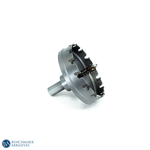
Tungsten carbide-tipped teeth are suitable for those who expect to use their hole saw regularly and for extended periods, offering fast cutting action and excellent durability.
TCT sometimes used as the multi-purpose option of the building industry, they cut through all woods, plastics, tiles, and metals. For personal use, maybe not quite required, but undeniably good to have.
6. Welded Shank Soffit Cutter
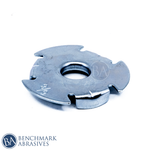
The base plate is welded to a non-detachable arbor, and the saw is made of high-speed steel with a variable tooth pitch. Large diameter makes them appear tailor-made in soffit boards for cutting vent holes, and they work well with plywood, metal, and PVC.
7. Diamond-Edged Hole Saw
These hole saws are either polished or infused with diamonds to display a conspicuous absence of teeth. The hardness and durability are excellent, so no barrier is high heat and persistent resistance. Generally speaking, you can use them to drill into ceramic tiles. Though heat resistant, you can cool them in water periodically.
8. Multi-Hole Saw
Built to be used for cutting a number of different diameter holes, when it comes to material, the multi-hole is notoriously undiscerning. They can all be cut into wood, non-laminated plastics, plasterboard, chipboard, plywood, and non-ferrous metal (except stainless steel).
Revolutionizing Hole Saw Technology: Future Trends
The hole saw industry is evolving rapidly due to several key trends. Advances in materials science, particularly for modern construction materials, are leading to the development of stronger alloys and carbide blends for faster, cleaner cuts and longer-lasting tools. There is a growing focus on ergonomics and user experience, including improved chip clearance, reduced vibration, and comfortable arbor designs for safe and easy operation.
Businesses are looking for recycled materials, eco-friendly production, and reduced waste, while also promoting sustainability. In addition, innovative technologies are emerging, offering potential integration with power tools for customized settings and usage tracking, bringing new levels of precision and efficiency to the jobsite.
Applications of Hole Saws
There are many different types of hole saws and accessories available for various kinds of applications and work surfaces. Some of them are-
- Drilling holes for wiring and cable routing runs.
- Make cutouts for downlights, fittings, or light fixtures in the ceiling for placement.
- Fitting sinks, baths, and worktops with taps and other hardware.
- Projects for general joinery, woodwork, and DIY projects.
- Installation of duct runs or drainage pipes through kitchen units and walls.Boring into masonry for better ventilation or waste removal purposes.
- Installing door and cabinet hardware, including handles, locks, and rails.
Join Our Newsletter
Sign up to get the latest on sales, new releases and more …Join Our Newsletter
Sign up to get the latest on sales, new releases and more …Shop Categories
Recent Articles
Featured Products
-
 746 Reviews
4-1/2" x 7/8" T29 Zirconia High Density Flap Disc - 10 pack
$25.19
-
 738 Reviews
4-1/2" x .040 x 7/8" T1 Premium Thin Cut-off Wheel - 25 pack
$20.88
-
 220 Reviews
4-1/2" x 7/8" T27 Zirconia High Density Flap Disc - 10 pack
$25.19
-
 380 Reviews
6" x .045 x 7/8" T1 Premium Thin Cut-Off Wheel - 25 pack
$27.29
-
 123 Reviews
4-1/2" x 1/4" x 7/8" T27 Depressed Center Grinding Wheel - 25 pack
$28.34
-
 55 Reviews
Nonwoven 6" x 9" Scuff, Clean & Finish Hand Pads
$0.83


Blog Categories
- Abrasives
- Sanding
- Grinding Deburring Finishing
- Safety and Cleanliness
- Metal Working
- Selecting Tools And Equipment
- Wood Working
- Art And Design
- Diy Projects
- Industry 4.0
- Buffing
- Cutting Tools
- Carbide Burrs
- PPE
- Wire Brushes
- Bonded Abrasives
- TIG Electrodes
- Wire Wheels
- Bits
- Diamond Blades
- Power Brushes
- Product Reviews
- Grinding
- Finishing
- Industrial Cleaners