



























How To Use Power Brushes For Heavy Rust Removal

Did you know that rust can be removed effectively from metal using simple methods?
It can significantly reduce both your time and expenses. Rusted metal is a fundamental problem discovered in every home, workshop, garage, store, etc. But it takes time and effort to get rid of the rust.
What is Rust and How to Remove It?
Rust forms through a process called oxidation, which occurs when iron or steel reacts with moisture (water) and oxygen in the surrounding environment. This reaction produces iron oxide, commonly recognized as rust—a reddish-brown coating that degrades metal over time. Environmental factors such as humidity, rain, and salty air can accelerate this process, leading to faster deterioration.
Understanding how to remove rust from metal is essential across many applications, including DIY projects, home improvement, metalworking, and even pest control. Rust compromises both appearance and structural integrity, posing safety risks and increasing replacement costs.
There are several effective rust removal methods—natural, mechanical, and chemical—each suited to different levels of corrosion and types of metal. The best method depends on how severe the rust is.
A common approach involves starting with a wire brush to remove loose rust, followed by applying a chemical-based cleaner to dissolve deeper corrosion.
Take Protective Measures Before Starting
Before beginning any rust removal project, it's important to prioritize your safety and protect your work environment. Whether you're using natural remedies, mechanical tools, or chemical solutions, taking the right precautions can help prevent accidents and ensure a smooth restoration process.
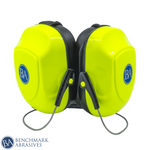
- Wear Protective Gear: Protect yourself by wearing gloves and eye protection designed for handling chemicals and preventing accidental contact. A PPE kit is essential to prevent skin irritation and eye injuries during chemical rust removal.
- Proper Ventilation: Work in a well-ventilated area to reduce the effects of toxic fumes that are released when applying or neutralizing strong acids and chemicals. Proper airflow helps prevent respiratory issues and keeps the workspace safe.
- Follow Manufacturer Instructions: Review the manufacturer’s guidelines thoroughly and adhere to the safety warnings provided on the product package label. When using stronger acid methods, handle with extra care, avoid inhaling fumes, and follow all recommended safety measures.
- Protect Surroundings: Cover nearby surfaces with plastic sheeting or masking tape to prevent damage from splashes, spills, or corrosive residues. Protecting the affected area keeps your workspace clean and safe.
- Emergency Supplies: Keep water, neutralizing agents, or a first aid kit nearby for quick response in case of accidental contact, skin irritation, or chemical splashes.
Assessing the Severity of Rust
| Feature | Surface Rust | Rust Spots | Deep Corrosion |
| Location | Present on the outer surface of the metal | Localized small patches or spots | It penetrates deep into the metal |
| Appearance | Flaky, reddish-brown coating | Small, distinct rust patches | Pitting, holes, or significant surface damage |
| Ease of Removal | Easy to clean using basic methods | Require the help of standard rust removers | Difficult to remove, may require extensive repairs |
| Structural Impact | Minimal effect, and affects only the appearance | Generally, no structural damage | Serious, weakens and damages the metal's integrity |
Saving or Replacing the Rusted Item
When evaluating a rusted area, consider the item's use and importance. For rusted items like tools or decorative pieces, removing rust using the best way and effective methods can restore their appearance and function.
However, if rust has severely affected the rusted area with thinning or holes, it’s often best to replace rather than try to save. It mostly happens with thin metal, and then it can’t be restored to its previous strength.
Material Stability For Rust Removal
Before committing to rust removal, test the stability of the rusted item to ensure it is safe to remove. Gently tap or press on the rusted area. If it crumbles or moves easily, the metal has weakened and may be unsafe or uneconomical to restore. If the structure remains solid, the best course of action is to use effective methods to remove the rust.
Method 1: Natural Household Remedy Methods
When it comes to removing rust, household remedies provide effective, low-risk solutions that are easy to implement. These methods utilize common and natural household items. They are easily accessible and environmentally friendly.
1. White Vinegar/Vinegar Bath
The most commonly used natural solution is vinegar to remove the stubborn rust. White vinegar is a practical home rust remover because its acetic acid may dissolve rust.
Make the vinegar solution, and submerge the rusted metal objects in a plastic container filled with white vinegar. Let them soak overnight, depending on the amount of rust. The rust will be broken down by the acetic acid, making removal simpler.
After soaking, use a scouring pad or steel wool to scrub away any remaining rust stains and clean the metal surface. After rinsing away all traces of vinegar, leave the item to dry completely.
2. Baking Soda Paste
Another useful technique is to make a baking soda paste.
To make a thick and spreadable paste, mix baking soda with some water. After evenly applying the mixture to the rusty surface, let it sit for ten to fifteen minutes. Then, scrub the area with a brush or scouring pad, paying extra attention to heavily rusted spots.
Lastly, rinse the item thoroughly with clean water to remove the paste and loose rust.
3. Lemon/Lime + Salt
The combination of salt and citrus juice also serves as a natural rust remover.
Start by sprinkling salt over the rusted area, then apply part lemon juice or lime juice directly on the salt. Let this mixture sit for a few hours; the salt acts as an abrasive, and the citrus's acidity helps break down the rust.
Afterward, scrub the mixture with a cloth or sponge, then rinse it away to reveal a cleaner surface.
4. Aluminum Foil + Water
For an easy way to remove rust from chrome or stainless steel, use a piece of aluminum foil. Dampen the foil with water, then use it to gently buff away rust on the affected surface. The foil will physically break down the oxidation without scratching the metal surface. It is the easiest way to restore shine to your metal objects.
This approach works especially well for eliminating minor rust and tarnish.
Method 2: Mechanical Ways for Rust Removal Using Abrasives
When rust becomes a problem, using mechanical methods can effectively restore the surface of metal objects. These methods can range from manual abrasion to power tool use, depending on the severity of the rust and the size of the job.
Manual Abrasion
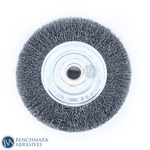
Manual abrasion is a straightforward, effective rust-removal method using hand tools. Tools such as steel wool, wire brushes, metal brushes, and scouring pads can be utilized based on the severity of the rust.
- Steel wool works well on mild rust and sensitive surfaces, offering effective cleaning while minimizing the risk of scratches.
- Wire brushes and metal brushes are useful for tackling heavier rust on more robust items. These tools can effectively remove rust from rusty tools, kitchen knives, and cast-iron pans while giving a good finish.
- Scouring pads vary in abrasiveness and can also be effective for cleaning smaller areas and less severe rust.
Related Article: Choosing the Right Abrasives for Rust Removal
Power Tools for Large/Severe Rust
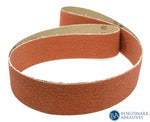
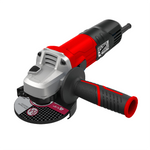
For larger projects or severe rust, power tools offer a fast and efficient way to remove rust. Power tools such as rotary grinders, belt sanders, and flap wheels are ideal choices for heavy-duty tasks. They can quickly take off layers of rust from metal tools, furniture, or machinery. Still, understanding the proper situations for using these tools is crucial.
Using power tools is often considered the fastest way to address severe rust on larger surfaces. Just ensure the surface is properly prepared before applying any finish. Excessive grinding can alter the surface texture, leading to a poor finish.
A significant caveat when using power tools is the risk of over-grinding. This is especially important when working with thin metal, as excessive removal can weaken the material and lead to perforation. Always choose the appropriate tool and attachments based on the material thickness and condition.
When using manual abrasion for smaller rust issues or power tools for larger projects, focusing on proper techniques is essential to successfully remove rust without damaging the surfaces. These mechanical rust removal methods can help restore and preserve your metal items, contributing to their longevity and functionality.
Related Article: How to Use Power Brushes For Heavy Rust Removal
Method 3: Chemical Rust Removers and Converters
Chemical rust removers and converters offer effective solutions for removing rust on various metal surfaces without the need for heavy scraping or abrasive methods. Here are a few different types of chemical rust removal options available to use:
1. Commercial Rust Remover
Many local stores carry a range of commercial rust removers that effectively clean rust from metal surfaces. These products are easy to use and typically come in liquid or gel form. Pay close attention to the manufacturer's directions while using a chemical rust remover.
Most formulations work by penetrating the rusted area and dissolving rust particles, without requiring extensive scrubbing. This convenience makes commercial rust removers ideal and time-saving. Always use a product appropriate to the type of metal you are working with.
2. Oxalic Acid / Phosphoric Acid / Hydrochloric Acid
Different acid solutions can also effectively remove rust, each with unique advantages. Oxalic acid is best for removing rust stains from surfaces such as stainless steel and is often used in household cleaning products. Always select a product suitable for the specific type of metal you are handling. It is ideal for more severe cases and surfaces like iron and steel.
Hydrochloric acid is powerful and should be used carefully, as it effectively dissolves rust but can damage surrounding materials if not applied properly. When these acid solutions come into contact with rust, a chemical reaction occurs that dissolves iron oxide, effectively lifting the rust from the surface.
3. Rust Converter
Rust converters are another practical option for treating rust when complete removal is not possible. Unlike traditional removers, a rust converter works by forming a sealed oxide layer over existing rust, preventing further corrosion. This method is particularly helpful for rusted metal surfaces that are difficult to restore fully, providing a protective coating that stops rust from spreading.
While it may not remove all signs of rust, it stabilizes the surface and extends the life of the metal item.
4. Bar Keepers Friend/Citric Acid/Acidic Cleaners
For lighter rust stains, particularly on cookware and chrome surfaces, products such as Bar Keepers Friend and citric acid powder offer gentle treatment options. These acidic solutions are ideal for indoor use, effectively removing rust stains from metal tools and kitchen items without damaging the surface.
Bar Keepers Friend offers a mild yet effective way to remove stubborn rust while preserving the integrity of the metal.
5. Electrolysis Rust Removal
Electrolysis rust removal is an effective and gentle method for treating old, valuable antique items and delicate metal parts without damaging the material. This process uses an electrical current to lift rust from the surface of the item.
To remove rust, submerge the object in a solution of water mixed with a conductive electrolyte, such as baking soda or washing soda. It creates an electrolytic cell. When the electric current is applied, it causes the rust to break down and lift away from the metal.
Although this method yields the best results for restoring historically significant or delicate pieces, it requires careful supervision because of the equipment and chemicals involved.
That means the process can take longer. But depends on the extent of rust on the item; often, several hours to days are required for thorough treatment. Proper supervision and common sense during the electrolysis process can help achieve excellent outcomes.
Preventing Rust from Returning
The rust-removal process works on metal surfaces and restores them to their original state. It is possible, however, that the metal will rust again. Some precautions can prevent rusting and maintain the appearance of your metal items.
Below are some precautionary tips to follow:
- Clean Metals After Use: Always clean metal surfaces thoroughly after each use to remove dirt, moisture, and residues that contribute to rust formation.
- Apply Protective Coating: To provide a barrier against air and moisture, apply mineral oil or paste wax. Reapply regularly for effective rust prevention.
- Proper Storage: Store metal items at room temperature in a dry environment. Avoid high-humidity areas to minimize rust risk.
- Use Moisture Absorbers: Place the silica gel packets or dehumidifiers in storage areas to help reduce humidity and prevent rust formation.
- Regular Care: Do regular maintenance, including inspections and cleaning, for metal tools and items used in home projects to identify rust issues early.
Say Goodbye to Rust and Hello to Restoration
Each rust-removal method serves a unique purpose, depending on the type of metal, the extent of rust, and your specific project needs. Whether you choose a natural remedy, mechanical tool, or chemical solution, the key is to match the method to the severity of the rust and the value of the item.
Experimenting with different techniques can help you find the most effective approach for your situation. For the best results, invest in high-quality rust removal tools and supplies. Benchmark Abrasive’s premium abrasive tools and kits are designed to deliver professional-level restoration and help you extend the life of your metal items.
Join Our Newsletter
Sign up to get the latest on sales, new releases and more …Join Our Newsletter
Sign up to get the latest on sales, new releases and more …Shop Categories
Recent Articles
Featured Products
-
 746 Reviews
4-1/2" x 7/8" T29 Zirconia High Density Flap Disc - 10 pack
$25.19
-
 738 Reviews
4-1/2" x .040" x 7/8" t1 premium thin cut-off wheel - 25 pack
$20.88
-
 220 Reviews
4-1/2" x 7/8" T27 Zirconia High Density Flap Disc - 10 pack
$25.19
-
 380 Reviews
6" x .045 x 7/8" T1 Premium Thin Cut-Off Wheel - 25 pack
$27.29
-
 55 Reviews
Nonwoven 6" X 9" Scuff, Clean & Finish Hand Pads
$0.83
-
 123 Reviews
4-1/2" x 1/4" x 7/8" T27 Depressed Center Grinding Wheel - 25 pack
$28.34


Blog Categories
- Abrasives
- Sanding
- Grinding Deburring Finishing
- Safety and Cleanliness
- Metal Working
- Selecting Tools And Equipment
- Wood Working
- Art And Design
- Diy Projects
- Industry 4.0
- Buffing
- Cutting Tools
- Carbide Burrs
- PPE
- Wire Brushes
- Bonded Abrasives
- TIG Electrodes
- Wire Wheels
- Bits
- Diamond Blades
- Power Brushes
- Product Reviews
- Grinding
- Finishing
- Industrial Cleaners