



























What is a Tungsten Carbide Bit - A Complete Beginners Guide

Have you ever felt that frustration when your standard drill bits just can't drill through hard materials? You're not alone. Many tools are initially sharp but quickly lose their edge, making your job harder and less efficient. This is where tungsten carbide bits step in to transform your cutting and drilling experience.
We're here to explain why tungsten carbide bits are so exceptional and why they've become essential in modern applications. Whether you're dealing with metal, hardwood, or other tough materials, understanding the unique benefits of tungsten carbide materials can make all the difference in your projects.
What Exactly is a Tungsten Carbide Bit?
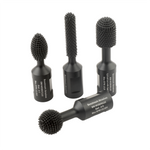
Simply put, a tungsten carbide bit is a cutting or drilling tool made from tungsten carbide, an extremely strong tool material. Tungsten carbide itself is a chemical compound composed of tungsten and carbon. It's highly prized for its remarkable hardness and outstanding wear resistance, properties that give this tungsten material a significant edge over traditional tool materials. These characteristics make tungsten carbide tools exceptionally durable.
A Brief History of Tungsten Carbide in Tooling
Tungsten carbide first made its way into tools in the early 20th century, sparking a quiet revolution in cutting and drilling across various industries. Its extreme hardness and wear resistance quickly set it as an incredibly valuable tool material for various applications.
During the 1920s and 1930s, tungsten carbide bits gained traction in metalworking and mining, primarily because they offered a significantly longer lifespan compared to traditional steel tools. As time went on, innovations like carbide-tipped drill bits and saw blades became crucial. Today, tungsten carbide materials are used to design various industrial tools that are known for their efficiency, durability, and superior performance.
Composition and Manufacturing of Tungsten Carbide
Tungsten carbide, a strong chemical compound, is formed by precisely mixing tungsten and carbon powders. To enhance toughness and durability, cobalt or other metals are often added as a binder. This specialized mixture is then pressed and sintered at high temperatures, yielding a dense, hard material. These tungsten carbide materials are subsequently ready for shaping into tools, commonly referred to as Carbide Products.
The manufacturing process involves pressing the tungsten carbide powder into the desired form, followed by high-heat sintering to bond them into a solid state. After this, they are ground and sharpened for their intended use.
Cemented Carbide comes in various grades and compositions. The specific grade of tungsten carbide materials is determined by variations in cobalt content and particle size, which directly impact hardness. A higher cobalt content typically translates to increased strength but a slight reduction in hardness. Conversely, lower cobalt content results in a harder and more wear-resistant chemical compound. The selection of the appropriate grade for cemented carbide tools is critical and depends on the specific application, such as cutting metals, drilling masonry, or working with other abrasive materials.
Types of Tungsten Carbide Bits
Tungsten carbide drill bits come in various designs for different materials such as concrete, glass, metal, and masonry. Their superior hardness and heat resistance make them ideal for high-speed drilling and longer tool life. Selecting the appropriate bit is important for accuracy and efficiency in specific drilling applications.
-
Masonry drill bits: These drill bits work well on tough surfaces like concrete, brick, and stone. These often feature carbide-tipped drill bits to enhance durability and penetration.
-
Wood Drill Bits: The carbide-tipped bit options are fewer for wood. They offer exceptional performance on hardwoods and composites due to their sharp cutting edges.
-
Metal-cutting tools: Solid carbide bits or tungsten carbide inserts are used to fulfill demands requiring high heat resistance and durability.
Straight shank and hammer drill bits are ideal to use with building materials like masonry and concrete. For drilling hard metals, cobalt drill bits are reliable and built to last. For precision cuts, solid carbide drill bits and carbide twist drills are excellent, making them essential cutting tools in many projects.
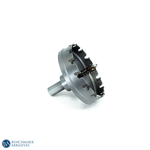
Carbide-tipped drill bits and tungsten carbide inserts provide durability for repeated use on hard surfaces. Power bits and hole saws are good for professionals and DIY workers for effective abrasive applications. These variations ensure that every job, from woodworking to tough actions of rock drill bits, takes full advantage of the toughness of tungsten carbide drill bits.
Performance Characteristics of Tungsten Carbide Drill Bits
Carbide drill bits are renowned for their exceptional performance. Their incredible hardness and strength allow them to maintain razor-sharp cutting edges, ensuring precise work even under high pressure. The outstanding dimensional stability of tungsten carbide tips means they retain their shape, even after extended storage or repeated use. This makes them ideal for working with hard materials and tough materials like high-speed steel and titanium nitride.
These drill bits maintain their sharpness even when subjected to extreme heat and pressure. Compared to other drill bit materials, they excel in their ability to perform effectively at higher temperatures due to their excellent heat resistance and corrosion resistance properties. This ensures effective cutting even in the most demanding applications. Their long lifespan and superior corrosion resistance make them a perfect option for any tough jobs.
Tungsten Carbide Bits: Drilling and Cutting Applications
Tungsten carbide bits are very strong cutting tools, making them perfect for a wide range of industrial applications. They're regularly used for cutting, drilling holes, and shaping various materials like wood, metal, alloys, and plastics. Their ultimate strength also allows them to effortlessly drill through tough materials such as stainless steel, cast iron, and other hard metals.
These carbide drill bits are required in both industrial and manufacturing sites. The specialized tungsten carbide studs and tungsten carbide rods are designed for superior durability, supporting equipment under high-speed and high-pressure conditions. This makes them important in demanding sectors like the gas industry. For construction and home improvement projects, carbide-tipped drill bits and mixing tubes excel at working with materials like brick, ceramic tile, and cast iron.
Tungsten carbide bits can maintain their sharpness and resist heat, making them ideal for jobs where other bits simply can't perform. They are also important for creating excellent small holes in PCB manufacturing and intricate metalworking projects. Their precise cutting action consistently delivers clean, accurate holes, which is why they're so crucial in industries where precision is required.
How to Select the Right Tungsten Carbide Bit?
While selecting tungsten carbide bits for your project, product quality assurance is essential. Diamond drill bits or tungsten carbide bits are built tough, with a focus on top-quality and long-lasting performance. It ensures they deliver reliable performance over a period of time. Look for new products from reputed brands like Benchmark Abrasives that fulfill industry standards.
There are various types of drill bits made for different tasks. Using a bit for drilling into metals, concrete, or composites requires a bit specifically designed for these materials. For example, use bits with a diamond drill tip when working with particularly hard surfaces.
Quality indicators of a tungsten carbide bit include mainly its composition, the manufacturing process, and the finish of the cutting edges. A uniform, well-shaped tip of the bit reduces the risk of breakage. Checking these factors helps ensure the product quality of the carbide bit is up to standard.
Tungsten Carbide Bits: Care and Maintenance Tips
To ensure your carbide drill bits last as long as possible, proper technique and care are essential.
Always use carbide drill bits with the correct technique and adhere to recommended speed and feed rates. Applying excessive pressure or using an improper technique can lead to unnecessary wear or even breakage, significantly reducing their lifespan.
After every use, thoroughly clean your drill bits to remove any debris and residue. Store your bits in a clean, dry place to prevent rust or corrosion. A dedicated storage box or rack is an excellent way to keep your carbide bits organized and protected, safeguarding them from damage.
Regularly inspect your bits for signs of wear, such as dull cutting edges or chipping. If needed, sharpen or replace them promptly. By consistently following these care instructions for cleaning and storage, you'll maximize the long lifespan and performance of your carbide drill bits.
Environmental and Economic Considerations
Tungsten carbide bits are recyclable, eco-friendly, and safe for the environment. Most manufacturers have a batch of tungsten carbide scrap from used or damaged bits, and they recycle it into new products. This reduces junk as well as saves precious resources.
Tungsten carbide bits are expensive, but their powerful features and long lifespan make them a cost-saving option in the long term. Compared to other materials, these bits require fewer replacements, reducing maintenance costs.
Efficiency and sustainability are the main reasons for the growing demand for tungsten carbide bits. Industries are saving money and reducing their environmental impact by reusing tungsten carbide scrap and implementing more recycling programs.
The Lasting Advantages of Tungsten Carbide Bits
Tungsten carbide bits are highly regarded for their exceptional hardness, great durability, and outstanding performance in a wide variety of materials. Their ability to retain sharpness and resist wear makes them ideal for both industrial and commercial applications.
With the rapid growth of technological advancements, tungsten carbide bits are constantly becoming more efficient and high-performing. Innovations are increasing cutting capabilities, completing the rigorous demands of sectors such as oil and gas, construction, and mining. We are also seeing an increase in the integration of smart technologies and the Internet of Things (IoT) directly into drill bits. This trend, driven by advanced materials and smart solutions, provides users with tools that are both reliable and cost-effective over the long term.
Final Recommendations
Understanding tungsten carbide bits is important if you want professional and lasting results in your drilling projects. This guide helps you choose high-quality bits, ultimately saving you time and effort. When making your choice, consider features such as shank compatibility, bit design, and required material hardness. A wide range of bits optimized for different applications is available. For professional-level performance, explore the extensive collection of carbide drill bits from Benchmark Abrasives.
Join Our Newsletter
Sign up to get the latest on sales, new releases and more …Join Our Newsletter
Sign up to get the latest on sales, new releases and more …Shop Categories
Recent Articles
- Can You Use a Forstner Bit in a Hand Drill - Complete Guide
- What is a Tungsten Carbide Bit - A Complete Beginners Guide
- Step Drill Bit Tip Sheet
- The Best Drill Bits For Heavy-Duty Applications
- Choosing Between Carbide and Diamond Bits
- How To Drill Perfect Holes With Specialty Bits
- Auger Bit vs Spade Bit vs Hole Saw
Featured Products
-
 746 Reviews
4-1/2" x 7/8" T29 Zirconia High Density Flap Disc - 10 pack
$25.19
-
 738 Reviews
4-1/2" x .040" x 7/8" t1 premium thin cut-off wheel - 25 pack
$20.88
-
 220 Reviews
4-1/2" x 7/8" T27 Zirconia High Density Flap Disc - 10 pack
$25.19
-
 380 Reviews
6" x .045 x 7/8" T1 Premium Thin Cut-Off Wheel - 25 pack
$27.29
-
 55 Reviews
Nonwoven 6" X 9" Scuff, Clean & Finish Hand Pads
$0.83
-
 123 Reviews
4-1/2" x 1/4" x 7/8" T27 Depressed Center Grinding Wheel - 25 pack
$28.34


Blog Categories
- Abrasives
- Sanding
- Grinding Deburring Finishing
- Safety and Cleanliness
- Metal Working
- Selecting Tools And Equipment
- Wood Working
- Art And Design
- Diy Projects
- Industry 4.0
- Buffing
- Cutting Tools
- Carbide Burrs
- PPE
- Wire Brushes
- Bonded Abrasives
- TIG Electrodes
- Wire Wheels
- Bits
- Diamond Blades
- Power Brushes
- Product Reviews
- Grinding
- Finishing
- Industrial Cleaners