



























Buffing Wheel Guide: How to Polish, Finish, and Perfect Any Surface

Buffing wheels are essential finishing tools for polishing, smoothing, and refining metal, wood, plastic, and other surfaces. The right polishing wheel can help remove scratches, blend imperfections, and create a clean, professional finish on materials like aluminum, stainless steel, brass, cast iron, and hardwoods.
At Benchmark Abrasives, we offer buffing wheels for angle grinders, stationary machines, soft metals, and heavy-duty finishing applications. Whether you need a high-gloss mirror finish or a smoother surface before final polishing, our buffing wheels are built to help you work faster and achieve consistent results.
What is a Buffing Wheel and How Does It Work?
A buffing wheel is a circular finishing tool designed to polish and refine surfaces using an abrasive compound. Unlike grinding wheels that remove material aggressively, buffing wheels work gently to smooth and perfect surfaces by generating friction and light heat. This process helps level microscopic imperfections, creating a smooth or mirror-like finish.
Key differences in the finishing process:
- Grinding: Removes material and shapes the surface
- Sanding: Smooths and refines texture
- Buffing: Polishes and perfects the final finish
Buffing wheels also improve efficiency by covering a larger surface area than hand polishing. When used with the right polishing compounds and tools, they deliver consistent, high-quality results with less effort.
Buffing /Polishing Wheels and Disc Types
Choosing the right type of wheel is the most critical step in achieving your desired finish. Each design serves a specific purpose in the polishing processes.
Airway Buffing Wheels
Airway buffing wheels are designed for high-speed polishing where heat control and efficiency matter most, making them a go-to choice for large metal surfaces.
- Pleated design improves airflow and reduces heat buildup
- Helps prevent warping and compound burn-off
- Commonly used for aluminum and automotive polishing
Color coding indicates cutting strength:
- Red airway: Heavy cutting and aggressive material removal
- Orange airway: Medium cut for general polishing
- Yellow airway: Final finishing and high-gloss shine
Cotton Wheels and Muslin Buffs
Cotton wheels and muslin buffs are used in the final stages of polishing, delivering a smooth, refined finish without removing excess material.
- Made from soft fabrics like flannel
- Designed to hold fine polishing compounds
- Produces a smooth, high-gloss “mirror finish”
- Suitable for precious metals and detailed work
Sisal Buffs and Abrasive Buffing Wheels
Sisal and abrasive buffing wheels are built for aggressive cutting, making them ideal for early-stage polishing, heavy scratch removal, and surface prep.
- Made from stiff natural fibers for aggressive cutting
- Effective on cast iron, steel, and oxidized surfaces
- Prepares materials for softer finishing wheels
Flap Discs vs Buffing Wheels
Understanding the difference between flap discs and buffing wheels helps you transition correctly through each stage of the finishing process, from material removal to final polish.
- Flap discs: Used for grinding, weld blending, and initial shaping
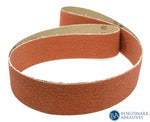
- Sanding belts: Smooth the surface after grinding
- Buffing wheels: Final step for polishing and achieving a reflective finish
In short: flap discs handle material removal, while buffing wheels deliver the final polish and shine.
Selecting the Right Size Buffing Wheel
The size of your wheel impacts everything from control to the speed of the cut. When selecting a wheel, you must ensure the arbor hole matches the spindle of your polishing machine exactly. Using an incorrectly sized arbor can lead to dangerous vibrations and uneven wear.
A standard 8 or 10-inch buffing wheel is common for stationary machines, providing high peripheral speed for faster cutting. Smaller wheels are often found in a wheel kit for use with hand tools or in tight spaces. Regardless of the diameter, always use high-quality safety flanges to secure the wheel. These flanges ensure the wheel remains stable and prevents uneven compression, which could lead to catastrophic failure during high-speed operation.
Selecting the Appropriate Buffing Compound
The compound you choose is just as important as the wheel itself. In the world of surface finishing, the compound bar acts as the "grit" of the process.
Cutting vs Polishing Compounds
Cutting compounds are designed for heavy scratch removal and leveling the surface. They are more abrasive and leave a dull, matte finish that requires a finer pass. Polishing compounds have a much smaller grit size and are designed to provide the final shine and clarity.
Common Buffing Compounds
Some of the common buffing compounds are:
- Brown Tripoli: This is the standard for cutting and removing scratches on non-ferrous metals like aluminum and brass. It provides an excellent base for the final polish.
- Green Rouge: Known for its high-performance polishing on stainless steel and chrome. This metal polishing compound is the key to achieving a flawless mirror finish.
- Aluminum Oxide: A versatile abrasive compound that can be found in various grades. It is a workhorse in the shop, capable of handling everything from initial surface prep to final finishing on a variety of metals.
Best Buffing Wheels for Different Materials
Metal (Steel, Aluminum, Brass, Cast Iron)
For metals, the best experience usually comes from a multi-stage approach. You might start with a sisal wheel and brown tripoli for a cast iron or steel part to knock down the surface texture. For an aluminum buffing wheel application, an airway wheel paired with a medium compound is usually the best starting point. To reach a mirror polish on stainless steel, the progression often ends with a soft cotton wheel and green rouge. Matching your polishing needs to the material density ensures that you don't overwork the metal or waste your supplies.
Wood and Other Specialty Surfaces
Wood requires a much more delicate touch. Softer wheels and specialized compounds are used to bring out the natural grain or to polish a lacquer finish. In these cases, you want a loose-sewn muslin buff that generates minimal heat to avoid melting the finish or scorching the wood fibers.
Buffing Wheel Applications Across Industries
The buffing application you choose often depends on your specific industry. In automotive detailing, the focus is on restoring the luster to trim and engine components. Metal fabrication shops use these tools to ensure that finished products meet aesthetic standards before they ship to the customer. Even in woodworking and jewelry, the different types of wheels allow for precision work on a scale that manual polishing can't reach.
Effective material handling and a deep understanding of your polishing needs will allow you to produce professional results regardless of the field.
How to Use a Buffing Wheel Safely and Effectively
Safety should be your primary concern. Before starting your polishing machine, ensure the buff wheel is properly mounted between the safety flanges. Always wear safety supplies, including a face shield and a dust mask, as buffing generates a significant amount of fine lint and metal dust.
When applying the compound, hold the bar gently against the spinning wheel for just a second or two. Less is more; overloading the wheel can lead to "slugging," where excess compound builds up and smears the workpiece.
Use moderate pressure and keep the part moving. If you hold it in one spot for too long, you risk overheating the material and creating an uneven finish. For the best experience, always work on the bottom half of the wheel (from the 3 o'clock to the 6 o'clock position) so that if the part catches, it is thrown away from you rather than toward you.
Maintenance: How to Clean and Extend Buffing Wheel Life
To ensure long-lasting performance, you must maintain your tools. Over time, a wheel becomes "caked" with dried compound and metal particles. When this happens, it will no longer cut effectively and may even scratch the surface.
You can restore the surface by using a buffing wheel rake. Holding the rake against the spinning wheel will strip away the old compound and "fluff" the fibers back to their original state. Knowing how to clean a buffing wheel is the simplest way to save money and maintain finish quality. Additionally, you should be able to identify when a buffing wheel needs replacement to avoid using a wheel that has become too small or too frayed to be safe.
Always check the product detail for specific storage instructions, but generally, keeping wheels in a clean, dry environment will prevent them from absorbing moisture or contaminants.
Shop Smarter: Kits, Pricing, and What to Look For
If you are just starting, a buffing kit or polishing kit is often the best value. These kits usually include a selection of wheels and compounds tailored to a specific material, such as an aluminum or stainless steel set. A high-quality buffing wheel kit ensures that you have the right progression of tools to go from a rough surface to a finished product.
When comparing a regular price with a sale price, look for the density of the stitching and the quality of the fabric. Some of the best sellers are often chosen for their durability under high-pressure industrial use. Additionally, the customer reviews can help you decide which specific wheel is right for your unique application.
F&Q
1. What is the difference between a buffing wheel and a polishing wheel?
While the terms are often used interchangeably, a buffing wheel is generally used for the more aggressive stages of scratch removal and surface leveling, while a polishing wheel is used for the final finishing stages to create a high-gloss shine.
2. What do the different colors of buffing wheels and compounds mean?
Colors are a shorthand for the grit and stiffness. In airway wheels, red is aggressive while yellow is fine. In compounds, brown is for cutting non-ferrous metals, while green is for the final polish on hard metals.
3. What are the different types of buffing wheels?
The main types include airway wheels for high-speed cooling, sisal for aggressive cutting, stitched cotton for general polishing, and loose flannel for final mirror finishing.
4. How do I clean my buffing wheel?
You should use a metal rake specifically designed for buffing wheels. This removes the "glaze" of the old compound and keeps the wheel effective.
5. Can buffing remove scratches?
Yes, scratch removal is one of the primary uses of a buffing wheel. However, you must start with a coarse wheel and a cutting compound to level the scratch before moving to finer stages to restore the shine.
Build Your Perfect Finish with the Right Buffing Wheel
Achieving a professional-grade finish is a skill that combines the right technique with the right tools. Choosing the correct buffing wheel directly impacts the quality and speed of your work. By pairing your wheel with the appropriate buffing compound and following a logical progression from cutting to coloring, you can transform any surface into a work of art. Remember that maintenance is key; using a rake and knowing when to replace your tools will ensure long-lasting performance and safety.
Shop premium buffing wheels, compounds, and polishing kits at Benchmark Abrasives. Upgrade your finishing process with high-quality tools designed for professionals and take your polishing results from basic to mirror-finish today.
Join Our Newsletter
Sign up to get the latest on sales, new releases and more …Join Our Newsletter
Sign up to get the latest on sales, new releases and more …Shop Categories
Recent Articles
- Ceramic vs Zirconia vs Aluminum Oxide Grinding
- Carbide Burrs: The Complete Guide to Types, Uses, and Selection
- General Purpose Diamond Blades
- Buffing Wheel Guide: How to Polish, Finish, and Perfect Any Surface
- Hole Saws: Complete Guide to Types, Uses, and Choosing the Right Kit
- Introduction to Drum Sanders and Linear Finishing for Metalworkers
- Buffing Wheels and Compounds for a Mirror Finish on Metal
- Angle Grinder Accessories Every Fabricator Should Own in 2026
- Welder Showcase Hub: Featured Fabricators and Their Builds
- Abrasive Trends for 2026: Efficiency, Safety, and Innovation
Featured Products
-
 746 Reviews
4-1/2" x 7/8" T29 Zirconia High Density Flap Disc - 10 pack
$25.19
-
 734 Reviews
4-1/2" x .040 x 7/8" T1 Premium Thin Cut-off Wheel - 25 pack
$20.88
-
 220 Reviews
4-1/2" x 7/8" T27 Zirconia High Density Flap Disc - 10 pack
$25.19
-
 380 Reviews
6" x .045 x 7/8" T1 Premium Thin Cut-Off Wheel - 25 pack
$27.29
-
 123 Reviews
4-1/2" x 1/4" x 7/8" T27 Depressed Center Grinding Wheel - 25 pack
$28.34
-
 55 Reviews
Nonwoven 6" x 9" Scuff, Clean & Finish Hand Pads
$0.83


Blog Categories
- Abrasives
- Sanding
- Grinding Deburring Finishing
- Safety and Cleanliness
- Metal Working
- Selecting Tools And Equipment
- Wood Working
- Art And Design
- Diy Projects
- Industry 4.0
- Buffing
- Cutting Tools
- Carbide Burrs
- PPE
- Wire Brushes
- Bonded Abrasives
- TIG Electrodes
- Wire Wheels
- Bits
- Diamond Blades
- Power Brushes
- Product Reviews
- Grinding
- Finishing
- Industrial Cleaners