



























Hole Saws: Complete Guide to Types, Uses, and Choosing the Right Kit

Hole saws are essential power tool accessories designed to create clean, precise round holes in a variety of materials with minimal effort. Their versatility makes them essential for home improvement, large construction, and specialized professional jobs where a standard drill bit cannot achieve the required diameter.
Whether you are installing a new lockset or running conduit through structural steel, having the right hole saw kit and a high-performance hole saw bit ensures that you get the job done right the first time. For those working in industrial settings, choosing a specialized hole saw for metal can be the difference between a clean installation and a ruined workpiece.
What is a Hole Saw?
A hole saw is a cylindrical cutting tool that allows you to create large, round holes without needing to remove the entire volume of material. Unlike a traditional drill bit that grinds away everything in its path, the hole saw bit cuts only the perimeter of the hole, which is much more efficient for larger diameters. It functions as a hollow cutting tool that attaches to a standard drill or drill press, using a series of sharp teeth to cut through the surface of your material.
Key Components of a Hole Saw
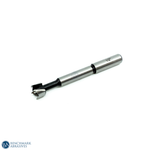
The system relies on several moving parts to maintain accuracy and stability. At the center of the operation are hole saw arbors, which act as the bridge between the drill chuck and the saw itself. Within the arbor, a pilot drill bit extends further than the saw teeth to engage the material first. This pilot drill bit ensures the saw does not "walk" or wander across the surface before the larger teeth begin their work. High-quality arbor and pilot bit systems are designed to lock the cylindrical cutting tool securely in place, preventing vibration that can lead to jagged edges.
How Hole Saws Work?
The process begins when the pilot bit drills a small centering hole. As you apply pressure, the circular teeth of the saw engage the material in a rapid cutting motion. Because the saw is only cutting the circumference, it requires significantly less power than a solid bit of the same size. Once the cut is complete, the resulting core remains inside the cylinder.
Efficient core removal is a hallmark of a good tool, as it allows the operator to quickly clear the debris and move on to the next cut.
What is a Bi-Metal Hole Saw?
A bi-metal hole saw is the most popular and versatile type of saw used in the industry today. The term bi-metal refers to the construction process where two different types of steel are joined together to create a tool that is both flexible and incredibly hard. Typically, the body of the saw is made from a tough spring steel, while the teeth are made from high-speed steel. This combination creates a bi-metal hole saw that can withstand the high heat of friction while resisting the brittleness that often leads to shattered teeth.
Benefits of Bi-Metal Construction
The primary advantage of this design is its durability. The flexible backing allows the saw to absorb the shocks and vibrations of manual drilling, while the hardened teeth maintain their sharpness through hundreds of cuts.
Heat resistance is also a major factor, as it prevents the teeth from softening when you are pushing through dense materials.
Cobalt-Enhanced Performance
For those demanding the absolute best in high performance, bi-metal cobalt hole saws offer an even greater level of heat resistance. These saws typically feature a 4/6 variable tooth pitch, which helps reduce vibration and clears chips more effectively. With a standard 1-1/2" depth of cut, these saws can handle most framing and fabrication tasks.
The specialized tooth design ensures that the saw stays sharp even when dealing with difficult materials that would dull standard high-speed steel.
Ideal Applications
These saws are the workhorses for cutting through stainless steel, sheet metal, and wood. If you are working with stainless steel, the cobalt-enhanced teeth are almost a requirement to prevent premature tool failure. They are equally effective on a wide range of general materials found in home improvement projects, from plastic PVC pipes to thick plywood.
Types of Hole Saws and When to Use Them
Topical authority in the workshop comes from knowing which specific tool is required for the material at hand.
1. Carbide and Carbide-Tipped Hole Saws
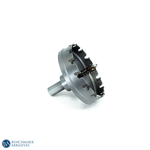
A carbide hole saw is designed for extremely hard or abrasive materials. A carbide-tipped hole cutter features teeth that are brazed onto the steel body, providing a cutting edge that is significantly harder than bi-metal. For industrial-scale tasks, a tungsten carbide-tipped hole saw is the preferred choice for cutting through thick plate metal, fiberglass, and even some composites where heat and abrasion would destroy a standard saw.
2. Diamond Hole Saws
When your project involves tile, stone, or glass, a diamond hole saw is the only solution. These tools do not have traditional teeth; instead, they use diamond grit or diamond grit hole saws to grind through the surface. This grinding action prevents the cracking or chipping that often occurs with toothed saws. They are the standard for bathroom renovations and masonry work.
3. Adjustable and Specialty Hole Saws
For those who need a custom diameter, adjustable hole tools allow you to move the cutting blades to a specific radius. Specialty saws also include the concrete hole saw, which is designed for heavy-duty masonry and core drilling.
Where Hole Saws Shine: Real-World Applications
Hole saws are used across nearly every trade to solve unique installation challenges.
Electrical and Plumbing Work
Electricians use a hole saw for metal to create knockouts in junction boxes or to run conduit through metal studs. Plumbers rely on a hole saw bit for metal and wood to run drain lines and supply pipes through cabinets and flooring.
HVAC and Construction Projects
In HVAC, these tools are essential for ductwork and installing vent caps through exterior walls. On a construction site, they are used for everything from installing bird blockers in soffits to creating access points for utility lines in metal steel frames.
Woodworking and DIY Projects
For the casual woodworker, a wood hole saw is the quickest way to create holes for desk grommets or decorative circular inlays. Whether you are dealing with sheet metal or stainless steel, the principles of hole cutting remain the same: choose the right saw for the density of the material.
Choosing the Right Hole Saw Kit
Investing in a hole saw kit is almost always more cost-effective than buying individual saws. A comprehensive kit usually includes a piece kit of various diameters that cover the most common trade sizes.
What’s Included in a Hole Saw Kit
A professional metal hole saw kit will typically include the saws themselves, at least two different-sized hole saw arbors, and replacement pilot bits. Some metal hole saw set options are among the best sellers because they include deep cut saws that offer an increased depth of cut for thicker materials.
Kit vs Individual Hole Saw
While a single saw is fine for a one-off project, a kit provides the flexibility to handle unexpected changes on the job site. The piece kit ensures you have the exact diameter needed for different pipe sizes or electrical fittings without having to run back to the store.
Sizes, Depth, and Compatibility
When selecting a kit, check the maximum diameter and the depth of cut. Deep cut saws are essential if you frequently work with 2x4 lumber or thick composite materials. Ensure the arbors in the kit are compatible with your specific power tools.
Hole Saw Accessories and Setup
Proper setup is the key to a clean cut and a safe experience.
Arbors and Mandrel Systems
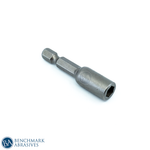
The hole saw arbors and the mandrel system are the most important accessories. The mandrel must be rated for the size of the saw you are using to prevent the tool from wobbling. Larger saws often require a locking mandrel that uses pins to keep the cylinder from tightening too much onto the threads during high-torque cuts.
Pilot Bits and Replacement Parts
The pilot drill bit is the most likely part to break, especially when cutting through metal. Keeping a replacement pilot drill in your toolbox ensures you don’t have to stop working if the bit snaps. High-quality hole saw accessories also include bit holders that keep everything organized and protected from rust.
Tool Compatibility and Best Practices
To get the most out of your power tools and cutting tools, you must follow the correct technique.
Matching Hole Saws to Power Tools
Most hole saws are designed for use with a standard corded or cordless drill. However, for larger diameters, a drill with a side handle is highly recommended to manage the torque if the saw catches. Always check that your drill’s chuck size matches the shank of the hole saw arbors.
Speed, Pressure, and Technique
The most common mistake is running the drill too fast. High-speed friction is the enemy of any cutting tool. Use a slower speed for metal and a faster speed for wood. Apply steady, even pressure, but let the teeth do the work. Pushing too hard will lead to overheating and can stall your power tools.
Clean Cuts and Longevity
Look for saws with a speed slot design. These are cut-outs in the side of the cylinder that allow you to use a screwdriver to pry out the core easily. This design also helps with chip removal and keeps the tool cooler, ensuring high performance over the life of the saw.
Safety Warning: Always wear eye protection when using a hole saw. The process creates a large volume of chips and debris that can be ejected at high speeds. If you are cutting metal, the edges of the hole and the core will be extremely sharp and hot; never touch them with your bare hands immediately after cutting.
Hole Saws vs Other Cutting Tools
Understanding when to reach for a hole saw bit instead of another tool will save you time and frustration.
Hole Saws vs Drill Bits and Spade Bits
A standard drill bit is great for small holes, and a spade bit is fast for wood, but neither can create the large, clean diameters that a hole saw can. Spade bits often leave a ragged exit hole, whereas a hole saw provides a much cleaner finish on both sides of the material.
Hole Saws vs Jig Saws and Table Saws
While you can cut a circle with a jigsaw, it is nearly impossible to get it perfectly round and centered by hand. Table saws are for straight cuts, and while they can be used with jigs for circles, they are not portable. The hole saw is the only truly portable solution for cutting perfect circles on-site.
Supporting Tools in the Workshop
Your workshop should also include saw blades for straight cuts and cut-off wheels for trimming metal. These tools work alongside your hole saws to provide a complete fabrication solution.
What to Look for in Quality Hole Saws?
When shopping for a best seller, focus on the material quality and the tooth geometry. A bi-metal hole saw is the best all-around choice for versatility. If you plan to do a lot of masonry or tile work, prioritize diamond or carbide options. Look for features like vibration reduction and reinforced base plates, which prevent the saw from warping under heavy use.
Your Hole Saw Upgrade Starts Here
Mastering the use of hole saws opens up a new world of possibilities for your projects, allowing you to create professional-grade openings in almost any material.
- Hole saws are essential for cutting clean, precise holes in metal, wood, and masonry.
- Choosing between bi-metal, carbide, and diamond options depends entirely on your specific application.
- A high-quality hole saw kit provides the most versatility and value for professionals and DIYers alike.
- Proper setup with the right arbors and a focus on core removal will ensure the best possible results.
- Utilizing the right accessories, such as replacement pilot bits and speed slot designs, will keep your projects moving forward without delay.
Ready to upgrade your cutting? Explore Benchmark Abrasives’ full line of high-performance hole saws, hole saw kits, and accessories designed for professionals who demand precision, durability, and reliability on every cut.
Join Our Newsletter
Sign up to get the latest on sales, new releases and more …Join Our Newsletter
Sign up to get the latest on sales, new releases and more …Shop Categories
Recent Articles
- Bonded Abrasives Accessories Guide for Grinding Tools
- The Most Common Angle Grinder Mistakes That Ruin Abrasives
- When to Replace a Diamond Blade | Warning Signs Guide
- Ceramic vs Zirconia vs Aluminum Oxide Grinding
- Carbide Burrs: The Complete Guide to Types, Uses, and Selection
- General Purpose Diamond Blades
- Buffing Wheel Guide: How to Polish, Finish, and Perfect Any Surface
- Hole Saws: Complete Guide to Types, Uses, and Choosing the Right Kit
- Introduction to Drum Sanders and Linear Finishing for Metalworkers
- How to Polish Aluminum to a Mirror Finish
Featured Products
-
 746 Reviews
4-1/2" x 7/8" T29 Zirconia High Density Flap Disc - 10 pack
$25.19
-
 738 Reviews
4-1/2" x .040" x 7/8" t1 premium thin cut-off wheel - 25 pack
$20.88
-
 220 Reviews
4-1/2" x 7/8" T27 Zirconia High Density Flap Disc - 10 pack
$25.19
-
 380 Reviews
6" x .045 x 7/8" T1 Premium Thin Cut-Off Wheel - 25 pack
$27.29
-
 55 Reviews
Nonwoven 6" X 9" Scuff, Clean & Finish Hand Pads
$0.83
-
 123 Reviews
4-1/2" x 1/4" x 7/8" T27 Depressed Center Grinding Wheel - 25 pack
$28.34


Blog Categories
- Abrasives
- Sanding
- Grinding Deburring Finishing
- Safety and Cleanliness
- Metal Working
- Selecting Tools And Equipment
- Wood Working
- Art And Design
- Diy Projects
- Industry 4.0
- Buffing
- Cutting Tools
- Carbide Burrs
- PPE
- Wire Brushes
- Bonded Abrasives
- TIG Electrodes
- Wire Wheels
- Bits
- Diamond Blades
- Power Brushes
- Product Reviews
- Grinding
- Finishing
- Industrial Cleaners