



























The Most Common Angle Grinder Mistakes That Ruin Abrasives

Stop burning through your budget. Most discs and wheels don't wear out, they get destroyed early by a handful of avoidable handling errors that turn an expensive abrasive into a glazed, loaded, vibrating mess.
The most common angle grinder mistakes that ruin abrasives are using the wrong working angle, forcing the cut with excessive pressure, running a disc above its rated RPM, and improper storage or mounting. Each one generates heat, vibration, or stress that causes glazing, loading, and premature grain loss so the wheel "dies" long before its useful life is up. Fix these habits and the same disc cuts faster, finishes cleaner, and lasts measurably longer.
Why Angle Grinder Safety Matters Before the Grinding Starts
Angle grinders are among the most dangerous tools in the shop. A shattered disc at 10,000+ RPM can cause life-altering injuries. Following proper safety procedures isn't just about avoiding a hospital visit, it’s about ensuring your tool is calibrated correctly so your abrasives can perform as intended.
Essential PPE for Safer Grinding
-
Face Shield & Safety Glasses: Double up on eye protection. Sparks and debris can easily bypass standard goggles.
-
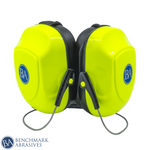
Hearing Protection: Use earplugs or muffs to combat excessive noise and prevent long-term hearing damage.
-
Protective Clothing: Wear long sleeves and heavy-duty aprons. Tie back long hair and avoid loose clothing that could get snagged.
Why Safety Protects Your Abrasives
A grinder that is vibrating due to poor maintenance or a user who is "muscling" the tool through a cut creates erratic forces. These forces lead to wheel imbalance and micro-fractures in the abrasive, which causes the disc to wear unevenly or disintegrate. By following safety protocols, you ensure the grinder is stable, which is the first step toward maximizing tool life.
The Cost of Poor Technique
An abrasive wheel is engineered to wear in a controlled way: as you grind, dull grains fracture and shed to expose fresh, sharp grit underneath. This is called friability, and it's what keeps a wheel cutting. Almost every "bad disc" is actually a good disc whose self-sharpening cycle was wrecked by heat, pressure, or vibration.
Three failure modes do the damage:
-
Glazing: Too much friction heat softens the bond and smooths the grain tips flat. The surface goes slick and shiny and stops cutting, so you push harder, which makes more heat. A glazed wheel spins without removing metal.
-
Loading: Soft metal (aluminum, brass) or paint melts and packs into the pores of the abrasive, "welding" debris to the face. A loaded wheel can't reach the workpiece and overheats fast.
-
Premature grain shedding: Excess heat breaks down the resin bond holding the grains in place. Instead of fracturing and staying sharp, whole grains rip out of the backing before they've done their work, so the wheel disappears in minutes and leaves a rough, gouged finish.
Heat, vibration, and the wrong angle are the upstream causes. Eliminate them and you protect the bond and your budget.
Mistake #1: The Wrong Working Angle (The "Vertical Trap")
The angle at which you hold the grinder is critical.
-
For Grinding Wheels: A 30-degree angle is usually ideal. It allows for a balance between material removal and control.
-
For Flap Discs: A shallower angle (15–25 degrees) is better to maximize the surface area of the flaps.
Grinding too "flat" or too "steep" can cause the disc to gouge the metal or "kick back." Operator error, like staying in one spot too long, causes localized overheating, which ruins the temper of the steel and destroys the abrasive's cutting efficiency.
Related Post: Flap Discs vs. Grinding Wheels
Mistake #2: Forcing the Cut (Excessive Pressure)
The "no pain, no gain" mentality is what ruins more wheels than anything else. High-RPM tools are built for light, steady contact. The speed does the work, not your arm.
When you lean on the tool, you don't cut faster; you generate friction heat. That heat does two things:
-
It loads the disc. Heat melts soft metal and coatings and packs them into the abrasive's pores, this buildup is called loading. A loaded disc turns dark, glazes over, and stops cutting. (This is why your disc turns black.)
-
It fractures bonded wheels. Heavy lateral or shock pressure on a bonded cut-off or grinding wheel can crack the core, a genuine safety hazard at 10,000+ RPM.
Let the abrasive do the work: light pressure, let the tool reach full speed before contact, and ease off the moment you see discoloration or feel the cut slow down. If a wheel has already loaded or glazed, a few passes with a dressing stick will open the face back up.
Mistake #3: Over-speeding (RPM Mismatch)
Every disc is stamped with a maximum RPM. The rule is simple and non-negotiable: the disc's max RPM must be equal to or higher than your grinder's no-load RPM. Run a disc faster than its rating and centrifugal force can exceed the structural integrity of the wheel, a leading cause of shattered-disc injuries.
The trap is diameter vs. speed. Smaller wheels are rated for higher speeds; larger wheels for lower. Putting an oversized disc on a small, high-speed grinder over-speeds it instantly:
|
Tool / disc size |
Typical max RPM |
|
4.5" angle grinder disc |
10,000–11,000 RPM |
|
7" disc |
~8,500 RPM |
|
9" disc |
~6,600 RPM |
|
Die grinder |
~15,000–25,000 RPM |
|
Polisher |
~1,500–3,500 RPM |
Always match the disc diameter to your grinder's guard and rated speed, and check the stamp every time you mount a new wheel.
For a full breakdown of how speed ratings are calculated, see Understanding RPM Ratings on Abrasive Tools.
Mistake #4: Passive Damage (Improper Storage & Mounting)
Not every abrasive is ruined while you're grinding, plenty are destroyed sitting on a shelf or in the few seconds it takes to mount them.
Storage: Bonded and resin-fiber wheels absorb moisture. Humidity and condensation swell the resin bond, leaving wheels warped and out-of-round so they vibrate the instant they spin up and fail the ring test. Store wheels flat, dry, and in their original packaging, away from coolant, solvents, and temperature swings. Rotate stock so older wheels get used first.
Mounting: Over-tightening is just as damaging. Cranking the lock nut down puts uneven stress on the wheel core and can start hairline cracks that turn into a shattered disc under load. Seat the wheel against a clean, undamaged flange with the blotter in place, and tighten snug, not gorilla-tight. Before mounting any bonded wheel, do the ring test: suspend it and tap lightly with a non-metallic tool, a clear ring means it's sound; a dull thud means it's cracked, so discard it.
The Fix: Your Abrasive Care Checklist
Run through this and you'll eliminate the four mistakes above:
- Ring-test every bonded wheel before mounting, discard any that thud instead of ring.
- Inspect the flanges and blotters. Clean, flat, and burr-free so the wheel seats evenly.
- Match the disc to the tool, diameter and max RPM must fit your grinder's guard and rated speed.
- Mount snug, not over-tight. Enough to hold, not enough to stress the core.
- Hold the right angle: 20–30° for grinding wheels, 15–25° for flap discs, and keep the tool moving.
- Use light pressure. Let the speed cut; back off at the first sign of discoloration.
- De-load with a dressing stick. When a disc glazes or turns black, dress it instead of forcing it.
- Store flat, dry, and dated. Original packaging, away from moisture, oldest stock first.
A stable, protected operator makes consistent contact, which is also what protects your abrasive. Double up on eye protection (face shield over safety glasses), wear hearing protection, keep sleeves and hair clear of the wheel, and never run a grinder with a missing or repositioned guard. Shop the full PPE kits.
The Hidden Costs of Improper Abrasive Use
When you treat your abrasives poorly, your ROI (Return on Investment) plummets.
-
Productivity Loss: You spend more time changing discs than actually grinding.
-
Increased Rework: Bad technique leads to deep gouges that require even more time to fix.
-
Replacement Costs: You end up buying a large number of discs because you’re burning through them rather than using them effectively.
Better habits aren't just about saving a few dollars on a disc; they are about professionalizing your fabrication workflow.
Frequently Asked Questions
1. What is the most common angle grinder mistake?
Using the wrong disc type (like a cutting disc for grinding) or applying too much pressure.
2. Why do my grinding wheels wear out so quickly?
Usually due to excessive pressure and heat buildup from a lack of "letting the tool do the work."
3. Can angle grinder mistakes cause injuries?
Yes, improper use of an angle grinder can cause kickback, broken discs, and severe damage.
4. How do I make abrasives last longer?
Maintain a consistent angle, use the correct grit for the job, and ensure your grinder is well-maintained and clean.
Grind Smarter, Protect Your Abrasives, and Improve Every Cut
Your grinding setup is the foundation of a quality finish. By choosing the right attachments, avoiding the temptation to force the tool, and strictly adhering to angle grinder safety and RPM limits, you can significantly extend your tool life and achieve better results.
Ready to enhance your shop? Check out our high-quality flap discs for precision blending and our heavy-duty grinding wheels for stock removal.
Join Our Newsletter
Sign up to get the latest on sales, new releases and more …Join Our Newsletter
Sign up to get the latest on sales, new releases and more …Shop Categories
Recent Articles
- Bonded Abrasives Accessories Guide for Grinding Tools
- The Most Common Angle Grinder Mistakes That Ruin Abrasives
- When to Replace a Diamond Blade | Warning Signs Guide
- Ceramic vs Zirconia vs Aluminum Oxide Grinding
- Carbide Burrs: The Complete Guide to Types, Uses, and Selection
- General Purpose Diamond Blades
- Buffing Wheel Guide: How to Polish, Finish, and Perfect Any Surface
- Hole Saws: Complete Guide to Types, Uses, and Choosing the Right Kit
- Introduction to Drum Sanders and Linear Finishing for Metalworkers
- How to Polish Aluminum to a Mirror Finish
Featured Products
-
 746 Reviews
4-1/2" x 7/8" T29 Zirconia High Density Flap Disc - 10 pack
$25.19
-
 738 Reviews
4-1/2" x .040" x 7/8" t1 premium thin cut-off wheel - 25 pack
$20.88
-
 220 Reviews
4-1/2" x 7/8" T27 Zirconia High Density Flap Disc - 10 pack
$25.19
-
 380 Reviews
6" x .045 x 7/8" T1 Premium Thin Cut-Off Wheel - 25 pack
$27.29
-
 55 Reviews
Nonwoven 6" X 9" Scuff, Clean & Finish Hand Pads
$0.83
-
 123 Reviews
4-1/2" x 1/4" x 7/8" T27 Depressed Center Grinding Wheel - 25 pack
$28.34


Blog Categories
- Abrasives
- Sanding
- Grinding Deburring Finishing
- Safety and Cleanliness
- Metal Working
- Selecting Tools And Equipment
- Wood Working
- Art And Design
- Diy Projects
- Industry 4.0
- Buffing
- Cutting Tools
- Carbide Burrs
- PPE
- Wire Brushes
- Bonded Abrasives
- TIG Electrodes
- Wire Wheels
- Bits
- Diamond Blades
- Power Brushes
- Product Reviews
- Grinding
- Finishing
- Industrial Cleaners