



























Flap Disc vs Grinding Wheel: Which One Cuts It for Your Metalwork?

Selecting the appropriate abrasive is one of the most important options when working with metal surfaces. The choice between a flap disc and a grinding wheel is more than just a preference; it’s a decision that will directly impact the speed of your work, the quality of your finish, and your project's overall cost.
A grinding wheel is built for aggressive stock removal, while a flap disc excels at a combination of grinding and surface finishing.
This guide will help you understand the core differences between a flap disc and a grinding wheel, and a fiber disc, so you can confidently select the right abrasive for jobs like blending weld seams, rust removal, beveling, and surface prep.
Flap Disc vs Grinding Wheel: At a Quick Glance
This table compares a flap disc, a grinding wheel, and a resin fiber disc on a few key metrics.
| Feature | Flap Disc | Grinding Wheel | Resin Fiber Disc |
| Aggression | Medium to High | Very High | High |
| Finish Quality | Excellent, consistent finish | Rough, requires a second step | Good, but leaves scratches |
| Heat Generation | Lower | Very High | High |
| Control | High, less gouging | Lower and requires a heavy hand | Medium |
| Cost | Higher initial cost, but longer lifespan | Lower initial cost | Lower initial cost |
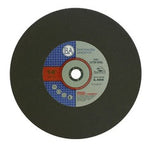
A grinding wheel is a rigid, bonded abrasive disc built for sheer metal removal, while a flap disc is made of overlapping abrasive flaps that provide a softer touch and a smooth finish. A fiber disc is a flat, single-layer disc best used for aggressive metal removal and surface preparation.
Best Abrasive Tool for Each Job
The best way to choose your tool is to match it to the specific task.
Weld Grinding
- Grinding Wheel: For a thick weld seam that needs significant metal removal, a grinding wheel is the fastest and most efficient choice. Its aggressive nature allows you to take down a weld in seconds.
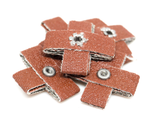
- Flap Disc: For blending weld seams to a smooth, finished surface, a flap disc is the ideal tool. It’s perfect for creating a feathered, seamless transition without the deep gouges a grinding wheel can leave.
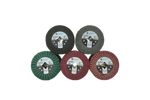
- Fiber Discs: These are often used as a final step before painting to smooth the surface after initial grinding.
Beveling and Shaping Metal
- Grinding Wheel: For creating a quick bevel or removing a lot of material to shape metal, a grinding wheel provides the raw power needed for heavy stock removal.
- Flap Disc: If you need to shape a curved edge or create a more refined bevel, a flap disc is a better option. The flexibility of the flaps allows for more control and a more consistent finish.
Rust and Paint Removal
For rust removal and paint preparation, a flap disc is often the better choice. Its ability to work over a large surface area without heat generation makes it effective on a variety of metal surfaces.
While a fiber disc can also be used, the flap disc is often a favorite among metalworking projects due to its ability to create a consistent finish and prevent glazing.
Blending and Pre-Paint Surface Prep
For creating a consistent, smooth finish or prepping a surface before paint, nothing beats a flap disc. The overlapping flaps wear down gradually, providing a fresh abrasive cloth and a uniform finish with less gouging or heat generation.
Related Article: When to Use a Flap Disc or Flap Wheel
Understanding Flap Disc Shapes: T27 vs T29 Explained
The shape of your flap disc matters. There are two common shapes:
- T27 Flap Disc: These have a flat surface and are used at a 0-15° angle to the workpiece. They're an excellent choice for shaping and blending.
- T29 Flap Disc: These have a conical shape, designed to be used at a more aggressive 15-25° angle. They provide more aggressive stock removal and are often used for shaping and fast grinding.
Whether a procedure is quick or effective can depend on the size of the flap disc used. The contact area of the disc and the angle you work at will determine how much metal removal you get and how much control you have.
When used with a quality backing pad, a right-angle flap disc will conform to the curves of a workpiece, making it a versatile tool for fillet welds and tight spots.
Managing Heat and Grit Size for Better Surface Results
Choosing the right grit sizes is a key component of any abrasive task. Start with a coarse grit, such as 40 or 60, to remove the stock aggressively. Then, for a smoother finish, you should progress to a finer grit, such as 80 or 120 grit.
Heat generation is a major problem in metalworking projects. It can cause heat marks or bluing on the metal's surface, which are permanent and can weaken the material. Flap discs generate less heat than grinding discs because their flaps wear away, exposing a fresh, cool abrasive.
For tough materials or when you need maximum heat control, use a high-performance zirconia flap disc or ceramic flap disc from a trusted source.
PPE, Tools & Safe Practices for Grinding Success
Always wear the proper PPE, including safety glasses, a face shield, and gloves. Make sure your angle grinder is fitted with a guard to protect you from flying debris. Using the correct backing pad for your specific abrasive disc will ensure a safe and secure connection to the tool. Choosing a quality power tool with less vibration will improve your control and reduce fatigue during high-pressure applications.
Disc Chooser Table: Match the Job, Tool & Grit Like a Pro
| Job | Best Option | Typical Grit |
| Weld Grinding | Grinding Wheel | 40-60 grit |
| Weld Blending | Flap Disc | 80-120 grit |
| Rust Removal | Flap Disc | 60-80 grit |
| Beveling | Flap Disc (T29) | 40-60 grit |
| Pre-Paint Prep | Resin Fiber Disc | 80-120 grit |
While a grinding wheel is a cheaper abrasive product, a flap disc often has a longer lifespan and offers a combination of grinding and finishing in one step, which can save you time and money. The efficiency of a flap disc means a better metal removal rate and less time spent on the job, which often translates to a lower overall cost.
Choose the Right Tool for the Job
Mastering the use of abrasive discs requires a deeper understanding of the flap disc vs grinding wheel debate. Choosing the right abrasive tool for a specific job is the key to achieving the best results on metal surfaces.
By using the chooser table and understanding the differences between resin fiber discs vs flap discs, you can get the job done right the first time. For a wide variety of quality grinding wheels, flap discs, and fiber discs, check out the abrasive tool selection at Benchmark Abrasives.
FAQs
1. Which disc lasts longest?
A high-quality flap disc typically has a longer lifespan than a grinding wheel because it has multiple layers of abrasive cloth that wear down gradually.
2. What is the best disc for rust or stainless steel?
For rust removal, a flap disc is the ideal tool, while for stainless steel, a dedicated grinding wheel that's iron, sulfur, and chlorine-free is best.
3. Can fiber discs work on stainless?
Yes, resin fiber discs vs flap discs are often compared, and fiber discs can be used on stainless steel, but you must choose a disc with the correct abrasive grains to avoid contamination.
4. T27 vs T29: When to use each?
When comparing the T27 to the T29 flap disc, the T27 is better for general-purpose work and surface finishing, while the T29 is best for more aggressive stock removal and shaping.
5. What is the difference between cutting action and grinding?
Cutting action is about creating a narrow kerf or groove, while grinding is about removing a larger amount of material from a broad surface.
Join Our Newsletter
Sign up to get the latest on sales, new releases and more …Join Our Newsletter
Sign up to get the latest on sales, new releases and more …Shop Categories
Recent Articles
- Felt Polishing Discs, Flap Discs & Flap Wheels
- How to Polish a Weld to a Mirror Finish
- How to Polish Cast Aluminum
- Luke Hummer - Erie County Community College
- Industrial Quick Change Discs for Fast-Lock Grinding and Finishing
- Felt Polishing Wheels, Bobs & Discs: Guide to Detail Work
- Matthew Cartwright
- Jacob Martinez (Foxholes to Fabworks)
- The Gathering
- David Fisher (Fisher Forge)
Featured Products
-
 746 Reviews
4-1/2" x 7/8" T29 Zirconia High Density Flap Disc - 10 pack
$25.19
-
 738 Reviews
4-1/2" x .040 x 7/8" T1 Premium Thin Cut-off Wheel - 25 pack
$20.88
-
 220 Reviews
4-1/2" x 7/8" T27 Zirconia High Density Flap Disc - 10 pack
$25.19
-
 380 Reviews
6" x .045 x 7/8" T1 Premium Thin Cut-Off Wheel - 25 pack
$27.29
-
 55 Reviews
Nonwoven 6" x 9" Scuff, Clean & Finish Hand Pads
$0.83
-
 123 Reviews
4-1/2" x 1/4" x 7/8" T27 Depressed Center Grinding Wheel - 25 pack
$28.34


Blog Categories
- Abrasives
- Sanding
- Grinding Deburring Finishing
- Safety and Cleanliness
- Metal Working
- Selecting Tools And Equipment
- Wood Working
- Art And Design
- Diy Projects
- Industry 4.0
- Buffing
- Cutting Tools
- Carbide Burrs
- PPE
- Wire Brushes
- Bonded Abrasives
- TIG Electrodes
- Wire Wheels
- Bits
- Diamond Blades
- Power Brushes
- Product Reviews
- Grinding
- Finishing
- Industrial Cleaners