



























Beginners Guide to Hacksaws: Types and Applications
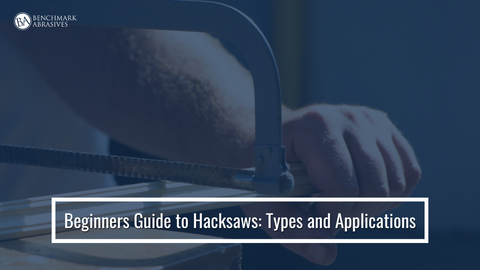
A hacksaw is a fundamental hand tool, specifically designed for cutting through materials that a traditional wood saw cannot handle. Known for its durable frame and fine-toothed blade, the hacksaw is an essential tool for everyone from professional mechanics and plumbers to DIY enthusiasts.
This guide will cover everything a beginner needs to know, from the basic components and types of hacksaws to best practices for safe and effective use.
What is a Hacksaw?
A hacksaw is a versatile hand tool comprised of a D-shaped frame and a thin, fine-toothed blade held in tension. Its design is optimized for cutting through hard materials like metal, plastic, and composite materials with a strong, controlled force.
The Key Components of a Hacksaw
The three components of a hacksaw are:
- Frame: The main body of the hacksaw, typically made of steel or aluminum. Its primary function is to hold the blade taut to prevent it from bending or breaking during use. In different hacksaws, the frame can be adjusted to suit different blade lengths.
- Handle: The handle provides an ergonomic grip, often a pistol-grip design, for comfort and control.
- Blade: The cutting component. Hacksaw blades come in various lengths and tooth counts, which determine their suitability for different materials. The blades are connected to the frame by pins at their ends.
Types Of Hacksaw
Hacksaws come in several sizes and forms, each designed for specific applications and access needs.
- Full-Sized Hacksaw (Senior Hacksaw): This is the standard, versatile hacksaw you'll find in most toolboxes. Perfect for general use, this tool makes quick work of a wide range of hard materials. It works with standard blade lengths (e.g., 12 inches) and various teeth-per-inch (TPI) counts.
- Junior Hacksaw: A smaller version of a hacksaw, featuring a more compact frame and a smaller blade. It is best suited for fine cutting and applications where space is limited. Its blades are generally soft and unsuitable for heavy-duty cutting tasks.
- Mini Hacksaw: These are lightweight, highly portable saws designed for cutting in very tight or hard-to-reach spaces. They typically have a small D-frame and a long handle, making them ideal for plumbing work and other confined applications.
- Power Hacksaw: A stationary, mechanized version of a hacksaw. These tools use an electric motor to automatically power the blade, often with a cooling pump to prevent overheating. Power hacksaws are used in industrial settings for high-volume, repetitive cutting of metal stock.
How to Choose the Right Hacksaw Blade
To achieve a successful and safe cut, you must select the right hacksaw blade, and the most important element to look at is the teeth per inch (TPI).
- Low TPI (12-18 TPI): For soft materials such as aluminum, brass, or plastic, use a low TPI blade (12-18 TPI). Its coarse teeth make for a more aggressive cut and faster material removal.
- Medium TPI (18-24 TPI): A versatile, general-purpose choice for a wide range of materials, including medium-thickness steel and iron.
- High TPI (24-32 TPI): Finer teeth for cutting hard materials like stainless steel, conduit, or thin metal sheets. The finer teeth ensure a smoother cut and prevent the blade from snagging.
Rule of Thumb: Make sure at least three teeth are always in contact with the material being cut. Putting too many thick teeth on thin material will cause it to get stuck and break."
Proper Uses for a Hacksaw
Hacksaws are a go-to tool for professionals in various trades. Some common applications include:
- Plumbing: Cutting PVC, copper, and cast-iron pipes.
- Electrical Work: Cutting electrical conduit and armored cable.
- Automotive: Cutting bolts, exhaust pipes, and other metal components.
- DIY Projects: Sawing metal sheeting, trimming plastic components, and cutting metal rods.
How to Replace a Hacksaw Blade?
Replacing a hacksaw blade is a simple process:
- Loosen the Blade: Loosen the wing nut or fast-release mechanism on the frame.
- Remove the Old Blade: Carefully slide out and remove the old blade.
- Insert the New Blade: Place the new blade onto the retention pins, making sure the teeth are facing forward (away from the handle).
- Tighten the Blade: Re-engage the fast-release mechanism or tighten the wing nut until the blade is taut. The blade should be stiff and not flex easily.
Safety and Best Practices for Using a Hacksaw
To use a hacksaw safely, you must focus and pay close attention to the details.
- Select the Right Blade: Match the TPI to the material you are cutting.
- Mount the Blade Correctly: Properly mount the blade by positioning the teeth to face away from the handle for a forward-stroke cut. Then, securely tighten the blade in the frame to maintain tension.
- Secure Your Workpiece: Always clamp the object you are cutting in a vise or with a clamp to prevent it from moving.
- Cut with Control: Use a firm, two-handed grip. Apply consistent, gentle pressure on the forward stroke to cut and release pressure on the return stroke.
- Maintain Your Tools: Regularly inspect your blade for signs of wear, such as blunting or warping, and replace it when necessary. Lubricate the blade with cutting fluid or oil when cutting harder metals to reduce friction and overheating.
Conclusion
The hacksaw is an essential and surprisingly versatile tool for cutting a wide range of non-wood materials. By understanding its key components, the different types available, and how to select the right blade for the job, beginners can confidently and safely perform countless cutting tasks in metal, plastic, and beyond. Proper technique and regular maintenance are essential for a hacksaw to remain a reliable tool for many years.
Join Our Newsletter
Sign up to get the latest on sales, new releases and more …Join Our Newsletter
Sign up to get the latest on sales, new releases and more …Shop Categories
Recent Articles
- Concrete Grinding: Diamond Cup Wheels vs PCD vs T-Segment
- A Complete Guide to Angle Grinder Parts & Replacement Parts
- Impact Wrench vs Impact Driver: The Ultimate Guide
- Cutting Tools Demystified: A Deep Dive Into Drill Bits and Their Uses
- Safety Tips For Using Chop Saws
- What to Know About Silver and Deming Drill Bits
- What are Tungsten Carbide Tipped (TCT) Hole Cutters
- What Are Bi-Metal Hole Saws
- Beginners Guide to Hacksaws: Types and Applications
- Which Tools Are Best For Precision Cutting
Featured Products
-
 746 Reviews
4-1/2" x 7/8" T29 Zirconia High Density Flap Disc - 10 pack
$25.19
-
 738 Reviews
4-1/2" x .040" x 7/8" t1 premium thin cut-off wheel - 25 pack
$20.88
-
 220 Reviews
4-1/2" x 7/8" T27 Zirconia High Density Flap Disc - 10 pack
$25.19
-
 380 Reviews
6" x .045 x 7/8" T1 Premium Thin Cut-Off Wheel - 25 pack
$27.29
-
 55 Reviews
Nonwoven 6" X 9" Scuff, Clean & Finish Hand Pads
$0.83
-
 123 Reviews
4-1/2" x 1/4" x 7/8" T27 Depressed Center Grinding Wheel - 25 pack
$28.34


Blog Categories
- Abrasives
- Sanding
- Grinding Deburring Finishing
- Safety and Cleanliness
- Metal Working
- Selecting Tools And Equipment
- Wood Working
- Art And Design
- Diy Projects
- Industry 4.0
- Buffing
- Cutting Tools
- Carbide Burrs
- PPE
- Wire Brushes
- Bonded Abrasives
- TIG Electrodes
- Wire Wheels
- Bits
- Diamond Blades
- Power Brushes
- Product Reviews
- Grinding
- Finishing
- Industrial Cleaners