



























Concrete Grinding: Diamond Cup Wheels vs PCD vs T-Segment

When you're faced with a tough concrete job, whether it’s prepping a floor for a new finish or stripping a stubborn epoxy coating, choosing the right diamond tools is crucial. The debate between diamond cup wheels vs PCD is one that professionals constantly face.
While both are powerful abrasives, they are designed for very different grinding applications. For general purposes, using the wrong one can lead to wasted time, a poor finish, and a shorter tool life.
This guide will walk you through the key differences between diamond cup wheels and PCD, helping you select the best tool for concrete grinding and coating removal, ultimately ensuring a more efficient job with a better finish.
When to Use Each Tool
The specific work you're doing on concrete may determine whether a diamond cup wheel or a PCD grinding wheel is the best option for you.
Diamond Cup Wheels
These are the workhorses of concrete grinding. A diamond cup wheel is best for stock removal on concrete surfaces, leveling out rough surfaces, and floor grinding down high spots. With their aggressive diamond segments, they are highly efficient at removing old material and shaping the surface. They can be used on floor grinders for large surface areas or handheld grinders to grind concrete on smaller spots with an angle grinder.
PCD Grinding Wheels
PCD stands for Polycrystalline Diamond. Unlike traditional diamond cup wheels, which grind, PCD wheels are designed to fracture and peel coatings off the surface. A PCD grinding wheel is the ideal tool for removing surface coatings, especially when dealing with tough coatings such as epoxy, glues, and thin overlays.
They are much more durable and heavy-duty than a standard cup wheel when removing soft coatings, which can otherwise gum up a standard diamond wheel.
T-Segment Cup Wheels
A T-segment cup wheel is a specialized tool among various types of diamond cup wheels, featuring specially designed diamond segments. These are excellent for controlled grinding, making them the best choice for edges, corners, and finishing work. They are a great middle-ground, balancing speed and surface quality, and they are specifically designed to minimize chatter marks for a smoother finish.
Grit, Segment Patterns, and Finishing Speed
The effectiveness of a diamond cup wheel depends on two key factors: the grit size of the diamonds and the wheel's segment pattern. These elements directly impact how aggressive the wheel is, the speed of material removal, and the smoothness of the final finish.
- Grit: A coarse grit is used for removing hard materials, while a fine grit is used for achieving a smoother surface finish.
-
Segment Patterns: The pattern of the diamond segments on the wheel affects the speed and finish.
- Turbo cup wheel: This features a continuous row of diamond segments that are fast and provide a smoother finish.
- Continuous rim: Provides the smoothest finish but with the lowest stock removal rate.
- Double row cup wheel: Offers a good balance of aggressiveness and speed, making it a popular all-purpose choice for grinding tasks.
The spacing and shape of the segments directly influence the stock removal rate and the final surface finish of the concrete.
Dust Control and PPE
Concrete grinding generates a substantial amount of hazardous silica dust. Proper safety precautions are mandatory. You must use dust shrouds on your grinder to capture airborne particles and a vacuum to collect them.
Using a wet grinding method can also help to suppress dust, but it requires a specialized tool. You should always wear safety glasses, a face shield, and a respirator or dust mask to protect yourself from airborne particles.
Tooling and RPM
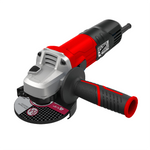
The right grinding tool for the job depends on the size of the project. A handheld grinder or angle grinder is perfect for smaller jobs like prepping a countertop or grinding a small area.
For larger jobs, such as a garage floor, you will need a dedicated floor grinder. Always check the maximum RPM rating on your diamond cup wheel or cup grinding wheel and ensure it does not exceed the maximum speed of your handheld grinder or other tool.
Troubleshooting Common Errors
- Scratches or Swirl Marks: These are often caused by using the wrong diamond grit or segment type for the job, or by applying uneven pressure during the grinding process.
- Glazing: This happens when you grind too slowly or with dull segments, causing the wheel to lose its effectiveness.
- Chatter: Chatter marks on the concrete can be caused by the wrong grinding tool or an incompatible wheel pattern. Using a T-segment cup wheel or a wheel with a more stable segment pattern can help reduce this.
For a successful and safe grinding process, it’s always important to use high-quality and heavy-duty products.
Chooser Grid / Quick Reference
| Substrate/Task | Best Wheel | Notes |
| Coating Removal | PCD Grinding Wheel | Peels off coatings fast; not for bare concrete. |
| Leveling High Spots | Diamond Cup Wheel | Double row or turbo segments for aggressive surface grinding. |
| Edge Grinding | T-Segment Cup | Controlled grinding is ideal for tight spots and smooth transitions. |
| General Grinding | All-Purpose Diamond Cup Wheel | Good balance of speed and finish for most tasks. |
FAQs
Q: Best wheel for epoxy removal?
A PCD grinding wheel is the best tool for coating removal, and specifically for epoxy.
Q: Can I dry-grind concrete safely?
Yes, but you must use a dust shroud, a vacuum, and proper PPE to protect against silica dust.
Q: Why does my cup wheel chatter?
The chatter could be caused by an unbalanced diamond cup wheel or by using the wrong segment pattern for the tool.
Q: Which cup wheel is best for leveling high spots?
An aggressive diamond grinding cup wheel with coarse diamond segments and a double row or turbo pattern is best for leveling.
The Smart Way to Tackle Concrete Jobs
Mastering the use of diamond tools requires a deeper understanding of the diamond cup wheels vs PCD debate. Choosing the right tool for concrete grinding and surface preparation is crucial for efficiency, safety, and a professional result.
By referencing this guide and the chooser grid, you can confidently select the concrete grinding cup wheel or PCD wheel that is ideal for your grinding tasks.
For a heavy-duty and high-quality selection of related products, including diamond blades and PCD cup wheels, be sure to check out Benchmark Abrasives.
Join Our Newsletter
Sign up to get the latest on sales, new releases and more …Join Our Newsletter
Sign up to get the latest on sales, new releases and more …Shop Categories
Recent Articles
- Concrete Grinding: Diamond Cup Wheels vs PCD vs T-Segment
- A Complete Guide to Angle Grinder Parts & Replacement Parts
- Impact Wrench vs Impact Driver: The Ultimate Guide
- Cutting Tools Demystified: A Deep Dive Into Drill Bits and Their Uses
- Safety Tips For Using Chop Saws
- What to Know About Silver and Deming Drill Bits
- What are Tungsten Carbide Tipped (TCT) Hole Cutters
- What Are Bi-Metal Hole Saws
- Beginners Guide to Hacksaws: Types and Applications
- Which Tools Are Best For Precision Cutting
Featured Products
-
 746 Reviews
4-1/2" x 7/8" T29 Zirconia High Density Flap Disc - 10 pack
$25.19
-
 738 Reviews
4-1/2" x .040" x 7/8" t1 premium thin cut-off wheel - 25 pack
$20.88
-
 220 Reviews
4-1/2" x 7/8" T27 Zirconia High Density Flap Disc - 10 pack
$25.19
-
 380 Reviews
6" x .045 x 7/8" T1 Premium Thin Cut-Off Wheel - 25 pack
$27.29
-
 55 Reviews
Nonwoven 6" X 9" Scuff, Clean & Finish Hand Pads
$0.83
-
 123 Reviews
4-1/2" x 1/4" x 7/8" T27 Depressed Center Grinding Wheel - 25 pack
$28.34


Blog Categories
- Abrasives
- Sanding
- Grinding Deburring Finishing
- Safety and Cleanliness
- Metal Working
- Selecting Tools And Equipment
- Wood Working
- Art And Design
- Diy Projects
- Industry 4.0
- Buffing
- Cutting Tools
- Carbide Burrs
- PPE
- Wire Brushes
- Bonded Abrasives
- TIG Electrodes
- Wire Wheels
- Bits
- Diamond Blades
- Power Brushes
- Product Reviews
- Grinding
- Finishing
- Industrial Cleaners