



























Cutting Concrete with Angle Grinder: Tools, Tips, and Safety

Cutting concrete may seem like a job that requires large cutting saws, but a powerful handheld angle grinder can handle many projects with surprising precision. Understanding how to use this versatile tool correctly can make a significant difference in your DIY and home improvement projects.
An angle grinder is one of the most valuable tools in any workshop due to its portability and versatility. When equipped with the right diamond discs or abrasive wheels, this compact power tool can efficiently cut through concrete, making it ideal for smaller jobs where large walk-behind saws would be impractical.
Why Use an Angle Grinder for Concrete?
While large-scale concrete cutting jobs require specialized tools, angle grinders are a more practical choice for smaller jobs. Compared to a circular saw (which isn't designed for masonry), a powerful concrete saw, or a heavy walk-behind saw, angle grinders are much easier to operate. These handheld power tools are incredibly versatile, suitable for a wide range of tasks, making them a smart investment for any workshop.
An angle grinder is a better choice when you're working on a concrete floor or breaking up concrete pavers or concrete blocks. Unlike a heavy wet saw or a powerful concrete saw, an angle grinder gives you the control you need for finer work, such as cutting pavers to fit around a garden bed or cutting a small section off a patio slab.
Related Article: What is an Angle Grinder Used For?
Essential Tools and Discs for Cutting Concrete
Success in concrete cutting depends heavily on having the right equipment for the job. While an angle grinder provides the power, choosing the appropriate disc and supporting tools will determine the quality of your cuts and overall project efficiency.
Types of Angle Grinder Discs
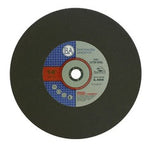
The key to successful concrete cutting depends on the angle grinder disc you choose. The most important accessory is the diamond wheel, designed specifically for cutting hard masonry. There are several types of diamond discs, including rim diamond blades for clean, smooth cuts and turbo rim blades for faster, more aggressive cuts. You'll also find serrated rim blades, but these are typically designed for use with wood and soft materials, rather than concrete.
A diamond cup wheel is a specialized disc used for grinding and shaping rather than cutting. The quality of the high-quality diamonds mounted on the rim of the blade will directly affect the clean cutting and the best results you can achieve.
For general tasks, you can use a general-purpose cutting disc, but a blade designed specifically for cutting concrete will always perform better. If you want to polish the concrete or prepare the surface after cutting, you'll also need a grinding disc.
Power and Tools
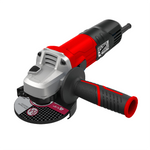
For cutting concrete, you will need a right-angle grinder with sufficient power. Don't use a cheap, low-powered model for a job that requires a lot of force and speed. Benchmark abrasives offers a high-quality 4-1/2" corded angle grinder that is ideal for cutting, grinding, sanding, polishing, finishing, removing paint, and rust.
For cleaning, an air compressor is useful to blow away fine dust. For demolition jobs, you may need auxiliary tools such as a sledgehammer, jackhammer, or hammer drill to complete the job after cutting. Floor grinders can be used to get a very smooth, polished finish on a concrete slab.
Safety First: Protecting Yourself While Cutting Concrete
Before you make a single cut, remember that safety is the most important rule. Cutting concrete with any tool produces a lot of dust, especially silica dust, which can be dangerous if inhaled.
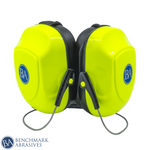
To protect yourself, wear the proper personal protective equipment (PPE). This includes eye protection, specifically, safety glasses, and ear protection to prevent hearing damage from loud noises. A good dust mask or respirator is a must to protect against the fine concrete dust. Cover your nose and mouth with a face mask.
Step-by-Step: How to Cut Concrete with an Angle Grinder
1. Preparing the Surface
The first step in any project is to prepare your work area. Lay down plastic sheeting to contain the dust, and if possible, put a dust cover on your grinder. Protect your work and make sure you have the proper power supply. Begin by marking your cutting path with a chalk line or a straight edge across the concrete surface. Following these safety gear and safety precautions will help you avoid many problems later on.
2. Starting the Cut
Hold the grinder firmly, with one hand on the handle and the other on the auxiliary handle, for stability. To ensure a clean, effective result, bring the tool to full speed before it makes contact with the surface. Apply steady pressure for an accurate cut and follow the marked line. Let the tool do the work for you.
3. Depth and Technique
For most cuts, it's best to make a shallow cut first and then gradually go deeper. This method lowers the chance of kickback. You can choose a wet cutting method for clean, dust-free cuts, but if you're not using a wet saw, you'll need dry cutting blades. Controlling the grinder's high speed and letting the high-quality diamonds on the blade do the work is the key to the best results.
Alternatives and Supporting Tools
Although an angle grinder is the best choice for small cuts, sometimes another tool is a better choice. When tackling larger projects, consider renting a concrete saw, wet saw, or walk-behind saw. For heavy-duty demolition, a jackhammer or sledgehammer is ideal for cutting through thick concrete. For small holes or fine work, you can use hand tools like a hammer and chisel.
You can rent these tools from places like Home Depot or Harbor Freight instead of buying them outright, especially for a one-time job.
Tips for Efficiency and Cleaner Cuts
Cutting concrete with an angle grinder can be an efficient way to cut, but it requires the right approach for clean results and, most importantly, for safety.
Here are key tips for efficiency and cleaner cuts:
-
Personal Protective Equipment (PPE): Wear a dust mask or respirator to protect your lungs from fine silica dust, which is a significant health hazard. Wear safety goggles or a face shield to protect your eyes. Gloves, long pants, and steel-toed boots can help keep the rest of you safe.
-
Manage Dust: Concrete cutting creates a lot of dust. Whenever possible, use a wet-cutting method by having a helper spray water on the cutting line.
-
Apply Gentle Pressure: Maintain a steady, controlled pressure and speed, and a firm two-handed grip.
-
Secure Your Workpiece: Ensure the concrete piece is firmly clamped or braced to a stable surface. Any movement can cause an uneven cut or lead to a dangerous kickback.
-
Keep the Blade Cool: Overheating warps diamond blades and reduces their lifespan. When dry cutting, take breaks to cool the blade and extend its life. As discussed, wet cutting is the most effective way to manage heat.
-
Diamond Blade is a Must: Never use a blade designed for wood or metal. Use the high-quality diamond blades from Benchmark Abrasives, which are specifically designed for cutting concrete or masonry.
Cutting Concrete Like a Pro
Mastering how to cut concrete with an angle grinder is a useful skill for anyone involved in home improvement projects. By understanding the right tools, such as abrasive wheels and diamond discs, and following proper methods, you can efficiently achieve professional results. Always make safety precautions your top priority, and choose the most appropriate tools for your job. For the best performance and the cleanest results, be sure to use reliable and high-quality abrasive tools from a trusted source like Benchmark Abrasives.
Join Our Newsletter
Sign up to get the latest on sales, new releases and more …Join Our Newsletter
Sign up to get the latest on sales, new releases and more …Shop Categories
Recent Articles
- Resin Fiber Discs vs Flap Discs: When Should You Use Each?
- Best Abrasives for Rust Removal on Steel
- Cut-Off Wheels vs Band Saws: Which is Better for Metal Cutting
- How to Optimize RPM Abrasive Disc Performance & Lifespan
- Surface Conditioning Discs: A Fabricator's Guide
- Best Flap Disc for Stainless Steel: Complete Fabricator’s Guide
- Ceramic vs Zirconia Flap Discs: Which Performs Better for Metal Fabrication
- How to Choose the Right Grit for Metal Sanding Projects
- Tools Collection for Fabrication and Abrasive Workflows
- How to Choose the Right Diamond Blade
Featured Products
-
 746 Reviews
4-1/2" x 7/8" T29 Zirconia High Density Flap Disc - 10 pack
$25.19
-
 738 Reviews
4-1/2" x .040" x 7/8" t1 premium thin cut-off wheel - 25 pack
$20.88
-
 220 Reviews
4-1/2" x 7/8" T27 Zirconia High Density Flap Disc - 10 pack
$25.19
-
 380 Reviews
6" x .045 x 7/8" T1 Premium Thin Cut-Off Wheel - 25 pack
$27.29
-
 55 Reviews
Nonwoven 6" X 9" Scuff, Clean & Finish Hand Pads
$0.83
-
 123 Reviews
4-1/2" x 1/4" x 7/8" T27 Depressed Center Grinding Wheel - 25 pack
$28.34


Blog Categories
- Abrasives
- Sanding
- Grinding Deburring Finishing
- Safety and Cleanliness
- Metal Working
- Selecting Tools And Equipment
- Wood Working
- Art And Design
- Diy Projects
- Industry 4.0
- Buffing
- Cutting Tools
- Carbide Burrs
- PPE
- Wire Brushes
- Bonded Abrasives
- TIG Electrodes
- Wire Wheels
- Bits
- Diamond Blades
- Power Brushes
- Product Reviews
- Grinding
- Finishing
- Industrial Cleaners