



























What is an Angle Grinder Used For - Complete Guide 2026

Ever wondered what an angle grinder is for? If you perform essential tasks like cutting, grinding, or polishing, chances are you have used or needed this versatile tool.
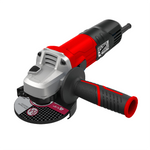
Considered an essential part of any serious craftsman or DIY enthusiast's toolbox, the angle grinder is more than just a simple power tool. It is a handheld power tool that offers incredible versatility, making it easy to perform tasks that would otherwise be time-consuming or impossible to complete quickly.
This guide will take a deep dive into the world of angle grinders, explaining why this versatile instrument is the ideal tool for a variety of jobs and why it is so essential.
Types of Angle Grinders
Understanding the types of angle grinders available is the first step to choosing the best angle grinder for your needs. There are many different types available, and each one is designed for a specific purpose and user preference.
Corded vs. Cordless Models
When choosing an angle grinder, one of the most significant decisions you'll face is whether to get corded or cordless. Each type offers different advantages depending on your needs.
Corded angle grinders deliver consistent power by plugging directly into an outlet, making them perfect for extended or heavy-duty jobs where you don't want to worry about a battery dying mid-project.
In contrast, cordless angle grinders run on rechargeable batteries, offering unmatched portability and freedom of movement. They're perfect for remote jobs, quick tasks, or areas where there isn't easy access to a power outlet. Although battery technology has come a long way, runtime can still be a key factor for long-term use, so it's essential to consider this.
Size Classifications and Power Ratings
Angle grinders are primarily categorized by the diameter of their compatible discs, with standard sizes being 4.5, 5, 6, 7, and 9 inches. Smaller models prioritize maneuverability for detailed tasks, whereas larger versions deliver greater power for heavy-duty material removal.
Corded grinders' power is measured in amps, while cordless models are rated by voltage; both metrics signify the tool's capacity for demanding applications. Manufacturers emphasize these specifications to guide users in selecting the appropriate tool.
Professional vs. DIY Models
Angle grinders serve various purposes and come in different models suitable for both professionals and DIY enthusiasts. Professional models are built for durability and longevity, often featuring high-performance motors and advanced safety features. This makes them ideal for frequent and demanding use.
On the other hand, DIY grinders are typically more budget-friendly and designed for occasional household tasks, while still providing enough power for most home projects.
When selecting an angle grinder, consider the following key factors: motor power, RPM for optimal speed control, ergonomic design for user comfort, vibration reduction for extended use, and safety features such as paddle switches, soft start, and anti-kickback mechanisms.
Primary Applications and Uses
The applications of an angle grinder are extensive, making it incredibly versatile for any workshop. Understanding the uses of an angle grinder shows why it is such a valuable tool.
1. Metalworking Applications
Angle grinders are essential tools in metalworking due to their versatility and efficiency. They are widely used for various tasks, including cutting operations, where, with the appropriate cutting disc, they can quickly and precisely cut through materials like sheet metal, rebar, and metal pipes, making challenging cuts much easier. For metal grinding and shaping, angle grinders are excellent for smoothing welds, deburring edges, and general material removal, allowing users to sculpt and refine metal to specific requirements.
They are also highly effective for surface preparation, such as cleaning metal surfaces by removing mill scale, old paint, or other coatings before welding or painting, providing optimal adhesion. Furthermore, with the proper attachment, an angle grinder can even be used for polishing metal to achieve a high-shine finish.
2. Construction and Masonry Work
Angle grinders are essential tools not only for metalworking but also for construction and masonry tasks. When equipped with diamond blades or discs, angle grinders can precisely cut ceramic tiles, paving stones, and other hard materials, making them ideal for both flooring and decorative projects.
In concrete work, angle grinders prove invaluable on job sites, as they can cut concrete slabs and grind uneven surfaces. Also, their ability to cut rebar and other structural elements makes them highly effective for a wide range of demolition tasks, showcasing their versatility across various materials.
3. Woodworking Projects
While an angle grinder is not primarily designed for woodworking, it can be surprisingly versatile for various tasks, especially for rough shaping and material removal. When equipped with specialized tools such as carving discs, it is highly effective at quickly removing material for shaping and cutting wood, making it particularly useful for large-scale projects.
Additionally, angle grinders can help in surface preparation, similar to their use in metalworking, by efficiently removing old paint or finishes from wood surfaces before refinishing. For certain types of detailed shaping or carving, small-angle grinders can offer impressive precision, extending their usefulness beyond just initial rough work.
4. Automotive and Maintenance
For automotive enthusiasts and mechanics, angle grinders are valuable tools for a variety of metalworking tasks on vehicles. One of their primary applications is removing rust from car bodies, chassis, and parts, which is made even more efficient with a wire wheel attachment.
In addition to rust removal, angle grinders are essential for various automotive bodywork tasks, such as cutting out rusted panels and grinding down welds. They also play a crucial role in parts repair, as they can clean and prepare metal components like engine brackets or old cast iron pieces, making sure they are ready for restoration.
5. Home DIY Projects
For those interested in DIY projects at home, the angle grinder is an incredibly versatile tool with nearly unlimited uses. It makes garden tool maintenance easier by simplifying tasks like sharpening lawn mower blades and other gardening tools, instantly restoring their cutting ability.
In addition, angle grinders are invaluable for general repairs, as they speed up countless jobs, from cutting old bolts to smoothing rough edges on various objects. Many artists and crafters also find angle grinders essential for shaping and texturing metal or stone in their creative projects.
Essential Safety Considerations
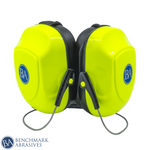
Angle grinders are powerful and efficient tools; however, safety is crucial when using them. To avoid injuries, it is essential to follow strict safety precautions. Always wear proper personal protective equipment (PPE). This means not just safety glasses, but also a face shield for complete eye and face protection. Wearing a dust mask is a must to avoid inhaling airborne particles, especially when cutting or grinding materials that produce fine dust. Earplugs or hearing protection are also necessary due to the high noise levels generated by the tool.
Work Area Setup and Preparation
Keep your workspace clean, well-lit, and clutter-free. Remove any flammable materials from the area, as sparks can occur when using an angle grinder. Secure your workpiece to prevent it from moving during operation.
Operating Safety Guidelines
- Always use two hands and maintain a firm grip on the tool
- Let the disc reach full speed before making contact with the material
- Apply light pressure and let the tool do the work—forcing it can cause kickback or disc breakage
- Position yourself and others safely away from sparks and debris
- Never remove the safety guard
Common Hazards and Prevention
Common hazards include kickback (when the disc binds and the tool jerks violently), disc shattering, and exposure to sparks and dust. To prevent kickback, always use the correct disc for the material, avoid pinching the disc, and maintain a firm grip. Regularly inspect discs for damage before use. Proper ventilation and dust extraction are necessary to minimize dust inhalation risks.
Choosing the Right Discs and Abrasives
The performance of your angle grinder depends primarily on selecting the right discs and high-quality abrasives. Benchmark Abrasives offers a wide range of top-tier options to ensure you get the best results.
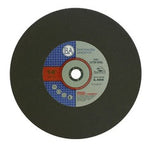
For general cutting tasks, you'll primarily need high-quality cutting discs or cut-off wheels from Benchmark Abrasives. These are designed for precise cuts through various materials. Remember that for metal, a metal cutting disc made with aluminum oxide is standard, while for cutting masonry and tile, a diamond blade or diamond discs are essential. They offer superior longevity and cutting power on hard materials like concrete and tile. Always select the correct disc for the material you are cutting.
Related Article: The Best Diamond Blades for Grinders
Grinding and Abrasive Discs
For grinding, shaping, and material removal, abrasive discs are best suited for you. These grinding discs utilize abrasive grains like silicon carbide or aluminum oxide. You'll find two main types: flat discs for general material removal and curved center discs for more aggressive grinding tasks. Flap discs are excellent for shaping, blending, and achieving a finer finish, as they expose fresh abrasive material when worn down.
Specialized Attachments
Your angle grinder is capable of so much more than just cutting and grinding! You can really boost its versatility with a few specialized attachments.
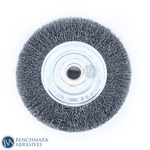
For example, a wire wheel or wire brush is excellent for tasks like stripping paint, removing rust, and general metal cleaning. And if you need to prepare surfaces or do some finishing work, sanding discs combined with a backing pad will get the job done.
Matching Disc to Material and Task
It's crucial to match the disc size and type to the material and task at hand. Using the wrong disc can be ineffective and dangerous. A thin cutting wheel is not suitable for grinding, and a grinding disc should not be used for cutting. Benchmark Abrasives provides clear guidance on which angle grinder discs are best suited for different applications.
Quality Considerations for Abrasives
The quality of your abrasives directly affects their performance, lifespan, and safety. High-quality abrasives, like those from Benchmark Abrasives, are designed for durability and consistent performance.
Look for discs with a strong bond between the abrasive grains and the backing, and ensure they are rated for the RPM of your specific angle grinder. Using the right grit discs will also determine the finish quality and material removal rate.
Techniques and Best Practices
Mastering the proper operating techniques is essential for maximizing the efficiency and safety of your angle grinder. This will help you achieve clean cuts and sharp edges. Always allow the spinning disc to do the work by applying only light pressure. When cutting, guide the tool steadily along your marked line. For grinding, use a sweeping motion to avoid gouging the material and ensure even removal.
It's crucial to maintain a firm, two-handed grip on the tool at all times. Remember that the spindle lock should only be used when the tool is powered off and the disc has come to a complete stop, typically when changing discs.
To achieve precise cuts and finer finishes, always use sharp, high-quality abrasives. Patience and steady hands are key; avoid rushing the job, as this will lead to superior results. For intricate work, consider using a smaller grinder or discs with a finer grit. If your grinder has speed control, pay attention to it and adjust as needed for different materials and tasks. This will help prevent burning or damaging the material, especially when less aggressive material removal is required.
For maintenance and care, regularly clean your angle grinder, paying special attention to removing dust and debris from the motor vents to prevent overheating. Always inspect the power cord for any damage. Store discs properly to prevent damage, and for specific maintenance recommendations, consult your grinder's manual.
Troubleshooting Common Issues
If your grinder is overheating, check for blocked vents or ensure you're not applying excessive pressure. If discs wear out quickly, you might be using the wrong type for the material or applying too much force. If the tool is vibrating excessively, check the disc for damage or improper mounting.
Angle Grinders vs. Other Tools
Understanding when to choose an angle grinder over other tools, or how to combine them, is key to efficient work.
When to Choose an Angle Grinder
Choose an angle grinder for aggressive material removal, precise cutting of thick metal, concrete, or stone, as well as for heavy-duty grinding, shaping, or rust removal. Its robust, portable design (especially cordless models) makes it perfect for demanding on-site tasks.
Comparison with Alternative Tools
-
Circular Saw: While a circular saw is excellent for cutting wood and sometimes softer metals with specific blades, it generally lacks the versatility and power of an angle grinder for aggressive metal, stone, or concrete cutting and grinding.
-
Bench Grinders: Bench grinders are stationary tools primarily used for sharpening tools and shaping smaller metal pieces, offering less portability and flexibility compared to a handheld angle grinder.
-
Chainsaw: A chainsaw is explicitly designed for cutting wood and cannot be used for metal, masonry, or grinding tasks that an angle grinder excels at.
-
Miter Saw: A Miter Saw is a precision tool for making accurate crosscuts and miter cuts in wood and sometimes metal, but it's not designed for freehand cutting, grinding, or surface preparation like an angle grinder.
-
Reciprocating Saw: A reciprocating saw is a versatile demolition tool suitable for rough cutting through various materials, but it offers less precision and grinding capability than an angle grinder.
Often, an angle grinder works best in conjunction with other tools. A circular saw might be used for significant, straight wood cuts, followed by an angle grinder for metal brackets. You can supercharge your fabrication projects by combining the precision of a drill press with the versatility of an angle grinder.
Maximizing Your Angle Grinder Investment
The angle grinder is a truly versatile tool, enabling you to handle tough jobs ranging from metalworking to DIY projects. This comprehensive guide highlights its power and the critical role of the right tools.
For best results and tool longevity, always choose high-performance discs and abrasives from trusted brands like Benchmark Abrasives. Prioritize safety with proper PPE and guidelines.
Explore the complete range of Benchmark Abrasives products to unleash the full potential of your angle grinder today.
Join Our Newsletter
Sign up to get the latest on sales, new releases and more …Join Our Newsletter
Sign up to get the latest on sales, new releases and more …Shop Categories
Recent Articles
- Resin Fiber Discs vs Flap Discs: When Should You Use Each?
- Best Abrasives for Rust Removal on Steel
- Cut-Off Wheels vs Band Saws: Which is Better for Metal Cutting
- How to Optimize RPM Abrasive Disc Performance & Lifespan
- Surface Conditioning Discs: A Fabricator's Guide
- Best Flap Disc for Stainless Steel: Complete Fabricator’s Guide
- Ceramic vs Zirconia Flap Discs: Which Performs Better for Metal Fabrication
- How to Choose the Right Grit for Metal Sanding Projects
- Tools Collection for Fabrication and Abrasive Workflows
- How to Choose the Right Diamond Blade
Featured Products
-
 746 Reviews
4-1/2" x 7/8" T29 Zirconia High Density Flap Disc - 10 pack
$25.19
-
 738 Reviews
4-1/2" x .040" x 7/8" t1 premium thin cut-off wheel - 25 pack
$20.88
-
 220 Reviews
4-1/2" x 7/8" T27 Zirconia High Density Flap Disc - 10 pack
$25.19
-
 380 Reviews
6" x .045 x 7/8" T1 Premium Thin Cut-Off Wheel - 25 pack
$27.29
-
 55 Reviews
Nonwoven 6" X 9" Scuff, Clean & Finish Hand Pads
$0.83
-
 123 Reviews
4-1/2" x 1/4" x 7/8" T27 Depressed Center Grinding Wheel - 25 pack
$28.34


Blog Categories
- Abrasives
- Sanding
- Grinding Deburring Finishing
- Safety and Cleanliness
- Metal Working
- Selecting Tools And Equipment
- Wood Working
- Art And Design
- Diy Projects
- Industry 4.0
- Buffing
- Cutting Tools
- Carbide Burrs
- PPE
- Wire Brushes
- Bonded Abrasives
- TIG Electrodes
- Wire Wheels
- Bits
- Diamond Blades
- Power Brushes
- Product Reviews
- Grinding
- Finishing
- Industrial Cleaners