



























What Removes Rust - Best Methods and Tools for Metal Surfaces

Rust can be removed using household items like white vinegar and baking soda, commercial chemical rust removers, or mechanical methods like sanding and wire brushes. The method you choose depends on how severe the rust is and what type of metal you're working with.
Rust forms when metal is exposed to moisture and oxygen, creating that familiar reddish-brown coating that weakens and damages your tools, outdoor furniture, and equipment. Catching rust early makes removal much easier and prevents costly replacements down the road.
Whether you're dealing with light surface rust or heavy corrosion, understanding the right approach will help you restore your metal items effectively.
Understanding Rust: Types and How to Identify Them
Rust can be sneaky. Sometimes rust can be just a light stain. Othertimes, it may be a deep corrosion that threatens the integrity of your tools, furniture, or outdoor structures. Knowing what type of rust you are dealing with is the first step toward choosing the right removal method.
The most common types of rust are surface rust, significant rust, and heavy rust. Surface rust appears as a thin layer of rust stains or flaky corrosion on the outermost part of metal items and is usually easy to remove with simple methods. Significant rust penetrates deeper, creating noticeable corrosion and pitting, demanding more attention. Heavy rust is deep, thick corrosion that can significantly weaken the metal's surface.
To properly address rust, it’s important to identify the rusted areas, look for rust stains or corrosion on tools, furniture, or any metal item. For light oxidation, easy methods often suffice. However, stubborn rust in heavily corroded areas requires more aggressive treatments like sanding or chemical rust removers.
Household Remedies for Rust Removal
Acidic Solutions
White Vinegar: Using white vinegar as a natural rust remover is one of the most effective DIY solutions. A vinegar bath involves soaking rusty tools or garden tools in vinegar, where the acetic acid reacts with iron oxide to break down rust. This chemical reaction converts rust into soluble compounds that easily wash away, leaving behind clean metal surfaces.
Coca-Cola: While it may sound strange, Coca-Cola can be a surprisingly effective rust remover. The phosphoric acid in the soda helps to loosen and dissolve rust. Applying it with a cloth or soaking affected items can help dissolve rust. Additionally, using lemon rind on rusted areas enhances the cleaning process, thanks to the natural acids in citrus fruits that assist in breaking down rust stains.
Baking Soda Applications
Combine baking soda and warm water to form a thick paste. Apply it to rusted metal to treat the affected areas. Apply the baking soda paste directly on rusty spots, let it sit for a few minutes, then scrub with a brush or cloth. This gentle abrasive method is perfect for rusty items with light to moderate corrosion.
Salt and Aluminum Methods
Sprinkle salt generously over rust spots on metal tools or surfaces, then use aluminum foil to scrub the rust away. When used together, the salt helps to dissolve rust while the aluminum foil works as a mild abrasive to scrub it away. For a more straightforward approach, aluminum foil alone can be rubbed on rusted areas to remove corrosion through a mild chemical reaction that reduces rust buildup.
Commercial Chemical Solutions
Acid-Based Removers
For stubborn rust, high-grade acids are highly useful. These include oxalic acid, phosphoric acid, hydrochloric acid, muriatic acid, and sulfuric acid. When working with these potent chemicals, always wear protective gear and eye protection to prevent injuries. These acids are readily available at any hardware store and can be used to dissolve even the most stubborn rust, restoring your metal surfaces efficiently.
Specialized Products
For convenient and reliable rust removal, many prefer commercial rust removers like Bar Keepers Friend and rust converters that chemically transform rust into a protective layer. For a natural approach, citric acid solutions are popular; simply dissolve a tablespoon of citric acid in water and apply. These chemical rust removers are specially formulated to safely and effectively eliminate rust and can be found in most hardware stores or online. They provide quick solutions for both light and heavy rust on metal surfaces.
Effective Mechanical Methods for Rust Removal
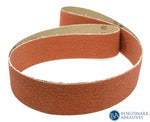
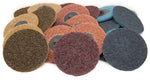
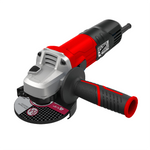
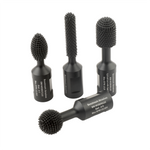
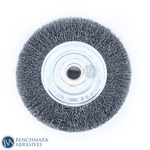
When chemicals can’t fully remove rust, power tools are considered the best to provide the fastest way, and often the best way to clean rust from metal surfaces. Using finer grits for delicate work and coarser abrasives for heavy rust on flat surfaces ensures efficient removal without damaging your material. Techniques include using scouring pads and metal brushes to remove stubborn rust, especially where chemicals struggle to penetrate.
For delicate areas or thin metal, starting with finer grits or finer grains ensures you don’t damage the surface. Using scouring pads or metal brushes can also be very effective, especially for stubborn rust that resists chemical removal.
In cases of light to moderate rust, working with finer grits provides the best way to achieve smooth, clean results without scratching the surface.
Best Practices For Prevention and Protection
Once rust is removed, protecting your metal surfaces is crucial to prevent future corrosion. Applying a protective coating or spray paint designed for stainless steel and other metals creates a barrier against moisture and oxygen, effectively preventing rust formation. For ongoing protection, applying paste wax regularly can help seal the surface and repel moisture. Additionally, controlling moisture buildup around stored tools and outdoor equipment is key to preventing rust formation and extending the life of your metal surfaces.
Suggestions to Prevent Rust and Protect Metal Surfaces
Apply Protective Coatings: Using a protective coating on metal surfaces creates a barrier that prevents moisture buildup, the primary cause of rust formation. Reapplying these coatings regularly extends the life of your tools and equipment, especially if they are exposed to outdoor elements or high-humidity environments.
Use Spray Paint for Metals: Specialized spray paint designed for stainless steel and other metal forms a durable, moisture-resistant layer. This simple DIY solution helps prevent rust from forming on fences, machinery, garden tools, and outdoor fixtures, providing quick and effective protection.
Apply Paste Wax for Ongoing Protection: A thin coat of paste wax on metal surfaces helps repel moisture and forms a slick barrier that minimizes moisture buildup. Regular application of paste wax ensures continuous protection, especially on frequently used tools or delicate items like kitchen knives and thin metal parts.
Store in a Dry Environment: To prevent metal objects from rusting, store them in a dry, low-humidity area. Proper storage prevents excess moisture buildup and rust formation, significantly reducing the chances of corrosion and extending the lifespan of your metal surfaces.
Regular Maintenance and Inspection: Inspect your tools regularly and clean them thoroughly to remove any water or dirt residue. Reapplying protective coatings or paste wax periodically helps maintain an effective barrier against moisture.
Special Considerations and Expert Tips
When working with thin metal, kitchen knives, or delicate items, you need to be extra cautious. Cleaning Tips from seasoned professionals with years of experience emphasize gentle methods and proper tools to ensure your delicate objects aren’t damaged in the process. Using a spray bottle to evenly apply cleaning solutions and a dry cloth to wipe and buff surfaces provides a safe way in home improvement and home cleaning projects. These tips help achieve the best results without compromising the integrity of fragile items.
Your Rust-Fighting Game Plan
The best way to remove rust truly depends on the severity of the rust and the material type of your item.
For light rust, household products like vinegar, baking soda, or lemon rinds can serve as effective cleaning hacks. For stubborn, heavy rust, combining these natural remedies with quality abrasives and chemical solutions yields optimal results.
Remember, patience and the right tools are key to restoring your metal surfaces effectively. Good luck with your next restoration project.
Join Our Newsletter
Sign up to get the latest on sales, new releases and more …Join Our Newsletter
Sign up to get the latest on sales, new releases and more …Shop Categories
Recent Articles
- Resin Fiber Discs vs Flap Discs: When Should You Use Each?
- Best Abrasives for Rust Removal on Steel
- Cut-Off Wheels vs Band Saws: Which is Better for Metal Cutting
- How to Optimize RPM Abrasive Disc Performance & Lifespan
- Surface Conditioning Discs: A Fabricator's Guide
- Best Flap Disc for Stainless Steel: Complete Fabricator’s Guide
- Ceramic vs Zirconia Flap Discs: Which Performs Better for Metal Fabrication
- How to Choose the Right Grit for Metal Sanding Projects
- Tools Collection for Fabrication and Abrasive Workflows
- How to Choose the Right Diamond Blade
Featured Products
-
 746 Reviews
4-1/2" x 7/8" T29 Zirconia High Density Flap Disc - 10 pack
$25.19
-
 738 Reviews
4-1/2" x .040" x 7/8" t1 premium thin cut-off wheel - 25 pack
$20.88
-
 220 Reviews
4-1/2" x 7/8" T27 Zirconia High Density Flap Disc - 10 pack
$25.19
-
 380 Reviews
6" x .045 x 7/8" T1 Premium Thin Cut-Off Wheel - 25 pack
$27.29
-
 55 Reviews
Nonwoven 6" X 9" Scuff, Clean & Finish Hand Pads
$0.83
-
 123 Reviews
4-1/2" x 1/4" x 7/8" T27 Depressed Center Grinding Wheel - 25 pack
$28.34


Blog Categories
- Abrasives
- Sanding
- Grinding Deburring Finishing
- Safety and Cleanliness
- Metal Working
- Selecting Tools And Equipment
- Wood Working
- Art And Design
- Diy Projects
- Industry 4.0
- Buffing
- Cutting Tools
- Carbide Burrs
- PPE
- Wire Brushes
- Bonded Abrasives
- TIG Electrodes
- Wire Wheels
- Bits
- Diamond Blades
- Power Brushes
- Product Reviews
- Grinding
- Finishing
- Industrial Cleaners