



























Common Abrasive Mistakes Fabricators Make

Do you know that abrasive techniques can drastically improve your metalworking results? Basic knowledge of abrasive techniques is invaluable for metalworking tasks. In fabrication tasks, mastering the right methods for using abrasive tools is essential for productivity and maintaining a safe workspace.
Let’s discuss and discover some of the most common mistakes that fabricators make when using abrasives, along with key strategies for avoiding them.
Why Abrasive Technique Matters for Fabricators
Techniques used with abrasive tools help maximize productivity. They provide a high-quality surface finish and maintain safety throughout the fabrication process. The correct use of abrasive materials can significantly impact material removal speed, ultimately affecting project timelines and costs.
Small adjustments to factors such as pressure, angle, speed, and tool selection can double tool life and halve the need for rework. Even experienced metalworkers can make mistakes that lead to costly errors, wasting time and resources. Therefore, understanding abrasive tools, along with best practices and proper training, is essential for achieving optimal results.
10 Common Abrasive Mistakes By Fabricators
While working on abrasive projects, the craftsman sometimes makes mistakes. It is due to shorter deadlines and the high pressure to deliver accurate, high-quality results. These mistakes can impact part quality, tool life, and safety, but they’re easy to fix once you know what to watch for.
1. Using the Wrong Abrasive for the Job
Selecting an abrasive that isn’t suitable for the specific material can lead to poor results and reduced tool life. Adversely affecting your work, using an improper wheel or disc type for a particular material—such as steel, stainless steel, or aluminum—is a common mistake.
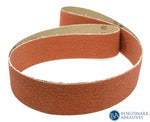
For example, using a cutting wheel designed for soft metals on hard stainless steel can result in rapid wear and poor performance. Understanding the differences among cut-off wheels, grinding-wheels, flap discs, wire brushes, and sanding belts is important.
Each abrasive product is designed for specific tasks. Utilizing aluminum oxide may work well for general metal removal, but for harder materials, a wheel intended for stainless steel may be necessary. Incorrect abrasive selection can lead to poor surface finishes, increased tool wear, and potential safety hazards due to inadequate cutting performance.
2. Running Worn-Out or Damaged Abrasives
Failing to check tools and abrasives for wear or damage is a significant mistake. Operating with dull or damaged abrasive wheels or flap discs can compromise performance. Worn abrasives often overheat the workpiece, cause vibration, and lead to chatter during cutting, affecting not only the surface finish but also posing safety risks.
To mitigate these issues, encourage regular inspections and stick to replacement schedules for abrasives, ensuring you are always using the right tool that performs optimally.
3. Applying Too Much Pressure
Using excessive pressure while grinding reduces work efficiency and overheats the metal. This excessive force increases vibration and operator fatigue, ultimately compromising the quality of the cut and finish. It’s essential to let the abrasive do the work; a gentle hold on the material will yield better results while minimizing tool wear.
4. Grinding at the Wrong Angle
Grinding at the wrong angle can lead to inconsistent grinding results. Grinding too flat can cause glazing, while an overly steep angle can result in gouging and rapid wheel wear. The correct angle for grinding wheels typically ranges from 15 to 30 degrees, while flap discs may allow for slightly steeper angles. Smooth surface finish and good material removal depend on maintaining the correct angle.
Related Article: Flap Disc vs Grinding Wheel: Why and When to Use
5. Operating at the Wrong Speed
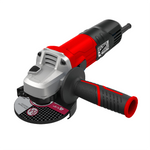
Using an abrasive tool at the wrong speed can severely impact performance. Operating under the specified RPM or too slow may lead to poor cutting capabilities, while exceeding it poses serious safety risks. Always refer to the maximum RPM rating based on the disc diameter and specific tool type. Check it when using an angle grinder or a cut-off wheel, to ensure safe and effective operation.
6. Poor Surface Preparation
The surface preparation before sanding or grinding is a must. If not done correctly, it may lead to issues of poor weld quality, ineffective coating adhesion, and compromised surface finishes. Always remove oils, mill scale, or rust from the workpiece to ensure better results. Achieving a superior finish on carbon steel, stainless steel, and other materials requires careful surface preparation.
7. Incorrect Mounting and Flange Use
Loosely attached sanding discs, wheels, or any other abrasive tools with the power tool may lead to accidents. Wrong flanges, missing blotters, or loose and over-tightened hardware can all lead to dangerous situations. Make sure that abrasive wheels and bonded abrasives are mounted correctly according to the manufacturer's guidelines to maintain safe and effective use.
8. Neglecting Wheel Dressing and Cleanup
Regular wheel dressing is necessary to restore the cutting ability of bonded wheels. Similarly, replace flap discs when they become worn to maintain grinding efficiency.
Neglecting these maintenance tasks can result in diminished performance and compromised results.
9. Overheating the Workpiece
Excessive heat can cause blue heat marks, warping, or structural issues in the material being worked on. To prevent this, use lighter passes, ensure the abrasives are fresh, and allow the workpiece to cool periodically. To achieve a high-quality surface finish and maintain the integrity of the metal, proper temperature control is essential.
10. Ignoring Housekeeping and Risk Assessment
A cluttered workspace, a lack of ventilation, and ignoring potential hazards can result in serious safety risks. Encourage thorough risk assessments to identify potential hazards, implement spark-containment measures, and promote common-sense safety habits in the work environment. Keeping the workspace clean and organized improves efficiency and operator safety.
Related Article: Grinding Wheel: Resolving Common Abrasive Tool Issues
How to Choose the Right Abrasive and Avoid These Mistakes
Misusing abrasives can result in poor finishing, incomplete processes, and even accidents. Selecting the appropriate abrasive is crucial for achieving optimal results and preventing common metalworking errors. To ensure optimal performance and minimize mistakes, consider the following checklist:
- Material Type: Identify the material type and its characteristics to work on it effectively. Every material requires specific abrasives to achieve the desired results without damaging the workpiece.
- Thickness: Assess the thickness of the material. Coarser abrasives are suitable for heavy material removal, while finer grits work best for thinner materials and finishing work to avoid excessive wear.
- Desired Finish: Determine the type of surface finish needed for the project. rugged for heavy-duty applications or smooth and polished for finer tasks.
- Tool RPM: Ensure that the abrasive you choose matches the RPM rating of your tool. Using an abrasive at the incorrect speed can lead to inefficiency, excessive wear, and safety hazards.
- Access Constraints: Consider the working space available. For tight or hard-to-reach areas, select abrasives and tools that fit comfortably without compromising effectiveness or safety.
Common Abrasive Mistakes to Avoid
Using Incorrect Abrasives
Selecting the wrong abrasive for the material can lead to poor results, increased tool wear, and possible damage to the workpiece.
Ignoring Manufacturer Specifications
Not following the recommended RPM settings for the abrasive can result in overheating, reduced cutting effectiveness, and increased safety risks.
Neglecting Regular Inspections
Not inspecting abrasive tools for signs of wear or damage affects safety and performance, leading to accidents or ineffective results.
Forgetting to Match Grit Size to Task
Using an inappropriate grit size can result in either aggressive material removal or insufficient smoothing, impacting the finish quality and requiring additional work.
To ensure project success and safety, it is vital to use high-quality abrasive products, as this minimizes safety hazards and boosts efficiency. For more specific information, consult resources such as Benchmark Abrasives' comparison guides for flaps vs grinding discs, wheel selection charts, cloth-backed belts, and bonded abrasives.
Safety-First Habits to Build Into Every Grinding Session
It's important to practice safety while grinding. Follow these tips:
- Wear heavy-duty gloves to protect your hands from hot surfaces and sharp edges.
- Before commencing work, thoroughly inspect all tools and abrasive wheels for any signs of damage or wear to ensure they are in a safe working condition.
- Store wheels properly when not in use to prevent damage.
- Implement a tagging system to identify and remove any damaged tools from circulation to prevent serious injuries.
FAQs
1. Why do my grinding wheels wear out so fast?
Grinding wheels may wear out quickly due to incorrect speed settings, excessive pressure, or using an inappropriate abrasive for the material. Ensuring proper technique and regular inspections can extend the wheel life and reduce injury.
2. Why am I getting burn marks on my parts?
Burn marks are often caused by excessive heat generated during grinding, usually from applying too much pressure, using dull wheels, or incorrect RPM. Reducing pressure and ensuring clean, sharp abrasives can help prevent these marks.
3. How do I know when a flap disc or wheel is worn out?
Signs of wear include visible surface damage, reduced grinding efficiency, and the need for more pressure to achieve material removal. If you notice these changes, it’s time to replace the disc.
4. What’s the biggest abrasive mistake beginners make?
Using the wrong abrasive tool for the job is one of the most common mistakes, which can damage the surface finish and cause excessive wear on the equipment. For productive work, it's important to understand how to use each tool.
Improve Your Projects: Avoid Abrasive Mistakes
Every fabricator should avoid these mistakes to get better results. Understanding abrasive mistakes and knowing how to avoid them is essential for achieving optimal results and maintaining the safety of your workspace. By recognizing the importance of proper maintenance, technique, and tool selection, you can enhance your workflow and produce high-quality projects. If you are ready to improve your projects, then explore our selection of high-quality abrasive products and tools.
Visit Benchmark Abrasives to find the perfect solutions and contact us for any inquiries.
Join Our Newsletter
Sign up to get the latest on sales, new releases and more …Join Our Newsletter
Sign up to get the latest on sales, new releases and more …Shop Categories
Recent Articles
- Resin Fiber Discs vs Flap Discs: When Should You Use Each?
- Best Abrasives for Rust Removal on Steel
- Cut-Off Wheels vs Band Saws: Which is Better for Metal Cutting
- How to Optimize RPM Abrasive Disc Performance & Lifespan
- Surface Conditioning Discs: A Fabricator's Guide
- Best Flap Disc for Stainless Steel: Complete Fabricator’s Guide
- Ceramic vs Zirconia Flap Discs: Which Performs Better for Metal Fabrication
- How to Choose the Right Grit for Metal Sanding Projects
- Tools Collection for Fabrication and Abrasive Workflows
- How to Choose the Right Diamond Blade
Featured Products
-
 746 Reviews
4-1/2" x 7/8" T29 Zirconia High Density Flap Disc - 10 pack
$25.19
-
 738 Reviews
4-1/2" x .040 x 7/8" T1 Premium Thin Cut-off Wheel - 25 pack
$20.88
-
 220 Reviews
4-1/2" x 7/8" T27 Zirconia High Density Flap Disc - 10 pack
$25.19
-
 380 Reviews
6" x .045 x 7/8" T1 Premium Thin Cut-Off Wheel - 25 pack
$27.29
-
 55 Reviews
Nonwoven 6" x 9" Scuff, Clean & Finish Hand Pads
$0.83
-
 123 Reviews
4-1/2" x 1/4" x 7/8" T27 Depressed Center Grinding Wheel - 25 pack
$28.34


Blog Categories
- Abrasives
- Sanding
- Grinding Deburring Finishing
- Safety and Cleanliness
- Metal Working
- Selecting Tools And Equipment
- Wood Working
- Art And Design
- Diy Projects
- Industry 4.0
- Buffing
- Cutting Tools
- Carbide Burrs
- PPE
- Wire Brushes
- Bonded Abrasives
- TIG Electrodes
- Wire Wheels
- Bits
- Diamond Blades
- Power Brushes
- Product Reviews
- Grinding
- Finishing
- Industrial Cleaners