



























Why Abrasive Safety Still Matters for Grinding Wheels

Imagine a bustling workshop filled with the roar of fabrication. A craftsman, focused on a tight deadline, decides to skip a few standard safety checks while mounting a new abrasive wheel. In a split second, the wheel shatters at high speed, endangering him and everyone nearby. This scenario is all too common and serves as a stark reminder of why strict adherence to abrasive safety protocols remains a critical priority.
Overspeed (exceeding the maximum rated RPM), side loading, and incorrect mounting are primary causes of wheel failures. Incorrectly mounting a wheel can create instability, increasing the risk of catastrophic failure. They lead to serious injury, lung damage from inhalation of debris, hearing loss from excessive noise, and costly equipment damage.
Safety isn't just about compliance; it's essential for maintaining quality and performance. Health hazards associated with abrasive tools and wheels can affect the overall efficiency of your operations.
Safety Rules to Remember Before Using Any Abrasive Wheel
Following these safety procedures and promoting safety awareness significantly reduces operator error and accidents:
-
Visual Inspection: Examine the abrasive wheel for any visible cracks, chips, or damage before each use. This simple step helps identify potential hazards that could lead to failure.
-
Check RPM Rating: Make sure the wheel's maximum RPM rating matches or exceeds the tool's operating speed. Do not exceed the wheel's rated maximum speed; doing so can cause further damage.
-
Inspect Guards: Ensure that all safety guards are functioning correctly. These guards are critical in protecting the operator from debris and accidents.
-
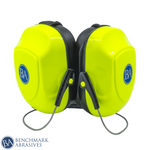
Wear PPE: Wear appropriate protective equipment (PPE), such as safety goggles, gloves, and hearing protection.
-
Look for Cracks or Chips: Before use, check for any chips or cracks. If there is any crack, replace the wheel immediately.
-
Ring Test for Bonded Wheels: Perform a ring test to verify the bonded wheels' integrity. A properly functioning wheel will produce a clear ringing sound, while a cracked wheel will sound dull.
Related Aritcle: Common Abrasive Mistakes Fabricators Make
How to Select the Right Wheel and Max RPM
Select the appropriate abrasive wheel for the intended application to ensure safety and efficiency during operation. The maximum RPM (revolutions per minute) rating of a wheel indicates the highest safe operating speed for that wheel. Exceeding this speed can lead to dangerous failures and potential injuries. Stick to specified maximum RPM limits to maintain safe working conditions for grinding wheel safety and grinding disc safety.
The wheel type used depends on the material you will be working with for operations. For example, cut-off wheels are best for straight cuts, while grinding wheels smooth and shape surfaces. The wheel's diameter affects its maximum RPM; smaller wheels can operate at higher speeds than larger ones. The tool's limitations are important; using a high-speed angle grinder that exceeds the wheel’s RPM can lead to dangerous conditions.
Check your abrasive wheels regularly for signs of wear, as worn or damaged wheels are more likely to fail, even at safe speeds. Always check the safety guards if they are functioning correctly, and refer to the manufacturer's specifications for safe limits.
Related Article: Flap Disc vs Grinding Wheel: Why and When to Use
Inspecting Wheels for Cracks, Chips, and Expiry
It’s essential to inspect abrasive wheels before each use to ensure they are safe and effective. Pay attention to the manufacturer's expiry dates on abrasive materials. Using an expired wheel poses hazards associated with compromised structural integrity and disturbs the working environment.
Ring Test Basics for Bonded Grinding Wheels
Practical training for conducting a ring test ensures the safety of bonded abrasive wheels. The properly functioning wheel has a clear ringing sound. A dull or muted sound indicates potential damage, such as cracks, which can lead to failure during operation. Consistently practicing this safety measure, along with proper training for its execution, ensures workplace safety.
Do’s and Don’ts While Grinding or Cutting
Do’s
Use Proper Guards and Flanges
When operating grinders or cutting tools, always use abrasive wheels with safety guards designed for your specific equipment. These safety guards provide essential protection by shielding the operator from debris and potential accidents.
For bench stands, ensure adequate side coverage to prevent accidental contact.
Use the Correct Angle and Pressure
Proper technique is essential for abrasive wheel safety and helps prevent issues such as glazing, gouging, and rapid wear of the abrasive material. Maintain a consistent angle, apply steady, controlled pressure on the material to ensure safe use of the abrasive wheel. These control measures help to improve grinding performance.
Control Sparks and Work Area Hazards
Always maintain cleanliness during grinding operations. Proper housekeeping reduces clutter and improves overall workplace safety. Ensure that flammable materials are stored away from the work environment, and conduct regular safety assessments to identify potential fire risks. By performing this risk assessment, you can reduce the risk of accidents and injuries.
Don’ts
Side-Grind with Cut-Off Wheels
Avoid using cut-off wheels for side-grinding operations to ensure cutting and grinding safety. These wheels are specifically designed for making straight cuts, and when subjected to lateral forces, they can easily shatter. Avoid any safety risks and the significant hazards associated with the cut-off wheels.
Forcing a Wheel That’s Not Cutting
Forcing a grinding wheel or applying excessive pressure can lead to operator error and result in serious injury. When a wheel is not cutting efficiently, it may indicate that it is worn out or unsuitable for the material. Excessive force can also increase the risk of safety hazards and damage your tools.
Related Article: How to Avoid Angle Grinder Accidents
Safe Speeds, Coolant, and Overheating
Running an abrasive wheel above its rated speed increases the risk of centrifugal failure. When the speed exceeds safe limits, the wheel shatters suddenly due to additional stress. This not only compromises grinding wheel safety but also presents safety hazards for anyone in the vicinity, with potential risks.
Role of Coolant in Grinding
Proper coolant use is essential in grinding operations to minimize heat buildup and improve cutting efficiency. Coolants lubricate the abrasive wheel and workpiece, reducing friction and maintaining optimal temperatures during grinding. This results in cleaner cuts, extending the service life of abrasive materials and enhancing the safety of the abrasive wheel.
Why Should You Switch Off the Coolant Before the Abrasive Wheel is Stopped?
The flowing coolant, combined with the spinning grinding wheel, causes a sudden temperature drop that leads to expansion and contraction. It increases the risk of warping or cracking in both the workpiece and the wheel. Additionally, turning off the coolant while the wheel is still rotating maintains uniform heat distribution. It preserves the integrity of the wheel—best practices for coolant management help to achieve safe and efficient grinding results.
Signs of Overheating and Safety Protocols
Start addressing the problem of overheating with early signs, such as blue discoloration of the metal, warping, or smoke emanating from the workpiece. If you notice these signs, take immediate action by allowing the workpiece to cool and using lighter passes during grinding. They can cause health issues.
Cutting and Grinding Safety for Common Tools
Angle Grinders
Using the appropriate wheel type with angle grinders is important. Make sure that the wheel is suitable for the precise material and application. Use personal protective equipment (PPE) properly, including safety glasses, gloves, safety boots, and hearing protection, while working. Additionally, make sure that abrasive wheel safety guards are properly installed.
Bench Grinders
Select the correct abrasive wheel based on the grinding application and material. Ensure tool rests are properly adjusted to prevent hands from getting too close to the wheel. Always use abrasive wheel safety guards to prevent injury. Regularly inspect the wheel for damage to ensure safe operation.
Chop Saws/Cut-Off Saws
Mount the wheel correctly and pay attention to side coverage to protect yourself from sparks and debris. Use appropriate PPE, including face protection, respiratory protection, and gloves, and maintain a clean workspace to promote cutting and grinding safety.
Quick Safety Checklist for Grinding Wheel Use
-
Inspect the Wheel: Ensure no cracks, chips, or visible damage are present before use.
-
Wear PPE: Use the safety guards, safety goggles, face shields, gloves, and hearing protection while grinding.
-
Verify Proper RPM: Check that the wheel's RPM rating matches the tool’s speed specifications.
-
Pressure & Angle: Avoid excessive pressure on the wheel while cutting or grinding. Use steady, controlled pressure. Maintain the right angle with the workpiece while grinding for effectiveness and safety.
-
Manage Coolant: Utilize coolant as needed and turn it off before stopping the wheel to prevent thermal shock.
-
Ensure Workspace Safety: Keep the area neat and free of hazards, dust, and debris.
-
Know Emergency Procedures: Be familiar with emergency shutdown and first-aid protocols in the event of accidents.
FAQs
Why is it dangerous to run an abrasive wheel faster than its recommended maximum speed?
Operating an abrasive wheel at speeds above its maximum can cause severe damage. Higher RPMs create intense centrifugal force and can lead to wheel breakage. These failures highlight the importance of abrasive wheel safety training.
What safety steps should I follow before installing a grinding wheel?
Before installation, conduct a risk assessment of the new wheel by inspecting it for cracks and grinder specifications. Apply the grinding wheel safety according to the manufacturer's guidelines.
What should an operator do before using an abrasive wheel tool?
Perform a thorough inspection of the wheel, check the RPM compatibility, wear appropriate safety equipment, and use all the safety guards.
Which safety precautions should be taken before grinding or cutting with an abrasive wheel tool?
Prioritize safety by wearing appropriate PPE, keeping the workspace clean, and ensuring tools are in good condition. Follow the safety regulations and operational safety standards to prevent accidents like hearing damage.
Do I need a face shield when using grinding wheels?
Yes, wearing a face shield is highly recommended in addition to safety glasses. This abrasive wheel safety tip provides extra protection against sparks.
Grind Smarter, Not Just Harder
Following the abrasive wheel safety plan and selecting the right tools are essential for successful metalworking and DIY projects. Proper safety precautions, such as PPE and regular inspections, can help prevent accidents and ensure the best results. To enhance your projects, explore our catalog of high-quality abrasive products for a variety of applications. Check out Benchmark Abrasives for the best abrasive products and tools for your next fabrication jobs.
Join Our Newsletter
Sign up to get the latest on sales, new releases and more …Join Our Newsletter
Sign up to get the latest on sales, new releases and more …Shop Categories
Recent Articles
- Personal Protective Equipment Kits for Abrasive Work
- PPE Checklist for Fabrication Shops
- Respiratory Protection for Grinding and Welding
- Why Abrasive Safety Still Matters for Grinding Wheels
- Caring For Your Abrasives: Maintenance Tips For Extended Lifespan
- Woodworking Safety: Best Practices When Using Abrasives
- How To Remove Glue From Hands
- How To Remove Oil From Hands
- How To Remove Gap Filler or Spray Foam From Hands
- How To Remove Paint From Hands
Featured Products
-
 746 Reviews
4-1/2" x 7/8" T29 Zirconia High Density Flap Disc - 10 pack
$25.19
-
 738 Reviews
4-1/2" x .040 x 7/8" T1 Premium Thin Cut-off Wheel - 25 pack
$20.88
-
 220 Reviews
4-1/2" x 7/8" T27 Zirconia High Density Flap Disc - 10 pack
$25.19
-
 380 Reviews
6" x .045 x 7/8" T1 Premium Thin Cut-Off Wheel - 25 pack
$27.29
-
 55 Reviews
Nonwoven 6" x 9" Scuff, Clean & Finish Hand Pads
$0.83
-
 123 Reviews
4-1/2" x 1/4" x 7/8" T27 Depressed Center Grinding Wheel - 25 pack
$28.34


Blog Categories
- Abrasives
- Sanding
- Grinding Deburring Finishing
- Safety and Cleanliness
- Metal Working
- Selecting Tools And Equipment
- Wood Working
- Art And Design
- Diy Projects
- Industry 4.0
- Buffing
- Cutting Tools
- Carbide Burrs
- PPE
- Wire Brushes
- Bonded Abrasives
- TIG Electrodes
- Wire Wheels
- Bits
- Diamond Blades
- Power Brushes
- Product Reviews
- Grinding
- Finishing
- Industrial Cleaners