



























Respiratory Protection for Grinding and Welding

In the metalworking industry, we always strive for perfect results: a perfect bead, a seamless edge, or a mirror-like finish. We invest heavily in high-quality abrasives—like the versatile flap discs that have become essential in woodworkers' toolkits, from heavy-metal fabrication to aggressive power carving. But when we become so obsessed with our finishes, we sometimes overlook the most important "finished product" of all: our health.
Respiratory protection for grinding and welding is not an optional accessory; it is the foundation of worker safety. Whether you’re a hobbyist in a garage or a pro in a metal fabrication shop, the air you breathe during occupational safety tasks is often loaded with invisible hazards. Choosing the right gear requires understanding the specific airborne contaminants generated by your tools and materials.
What to Wear and When for Respiratory Protection
Knowing what to wear depends entirely on the "dose" and the "type." In a welding environment, you aren't just dealing with smoke; you're dealing with vaporized metal. In a grinding setup, you're dealing with microscopic shards of abrasive and base material. The protection level is determined by:
- Material: Are you grinding carbon steel or stainless steel? (Stainless contains hexavalent chromium, a known carcinogen.
- Environment: Are you in an open shop with high ceilings or a confined crawlspace?
- Task: Is it a two-minute cleanup with an angle grinder or an eight-hour shift of flux-core welding?
Why Grinding and Welding Require Respiratory Protection
When you strike an arc or touch a wheel to steel, you are creating a "soup" of particulates. Welding safety focuses on fumes, gases, and fine solids that are small enough to bypass your nose and throat and deposit in your lungs.
Long-term exposure can lead to "Welder's Anthracosis", metal fume fever, or more severe chronic obstructive pulmonary disease (COPD), which is why the consistent use of proper respiratory protection in welding environments is critical. The Occupational Safety and Health Administration (OSHA) sets strict Permissible Exposure Limits (PELs) because these airborne contaminants are often cumulative. What doesn't bother you today could become a chronic issue a decade from now. Your work environment might look clear, but under a high-intensity work light, the density of the particulate matter becomes terrifyingly obvious.
Grinding Tasks: Do You Need a Respirator?
Yes always. Whether you are using bench grinders for tool sharpening or wire wheels for rust removal, you are generating dust.
- Nuisance-Level: Simple surface cleanup on clean carbon steel in a well-ventilated area might only require basic protection.
- High-Risk: Stripping paint (which might contain lead), grinding galvanized steel (zinc), or working on stainless steel (chromium/nickel) absolutely requires a dedicated grinding respirator.
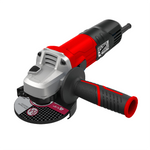
An angle grinder spinning at 11,000 RPM doesn't just drop dust; it aerosolizes it, throwing it directly into your breathing zone.
Welding Tasks and Fume Exposure
The welding process is fundamentally different from grinding. You are boiling metal and flux into a gas.
- MIG Guns and Spool Guns: These produce a significant amount of fume, especially when using CO2 protecting gas or flux-cored wires.
- TIG Welding: Often perceived as "cleaner," TIG still produces ozone and nitrogen oxides, which are invisible but irritating to the lungs.
Effective welding protection means providing a barrier against these vapors. Fume protection is complicated by the fact that you also need to fit your protection under a welding hood.
Types of Respirators and When to Use Them
Not all respirator systems are created equal. There are two primary categories: Air-Purifying (filtering the air around you) and Supplied Air (bringing in air from a clean source).
- Disposable: Lightweight and one-time use.
- Facepiece respirators, both half and full, should use replaceable cartridges and filters.
- Powered Air (PAPR): Uses a battery-powered blower unit to push filtered air through a hose.
- Supplied Air: Uses a compressor to provide fresh air from a remote clean air source.
Dust Masks and Nuisance-Level Protection
A dust mask (technically an N95 filtering facepiece) is designed for nuisance-level particulates like sawdust or iron filings.
Safety Warning: A standard paper dust mask is not sufficient for welding fumes or organic vapors. They do not create a tight enough seal to block the microscopic metal oxides found in welding smoke. If you can smell the "metallic" scent of the weld through your mask, you aren't protected.
Half Mask and Half Face Respirators
A half-mask respirator (or half-face respirator) is essential protective equipment in the metal fabrication industry. It covers the nose and mouth and is designed to fit under most standard welding helmets.
Particulate Filter: Usually an N100 or P100 (pink) pancake filter. These block 99.9% of solid particulates.
Face Seal: Made of silicone or rubber. This is the most critical part of the mask; a leak here renders the respirator filters useless.
Breathing Resistance: High-quality valves reduce the effort it takes to exhale, keeping the mask cooler during long shifts.
Full Face Respirators and Added Face Protection
When the material is highly irritating to the skin or eyes, a full face respirator is the next step. This provides integrated eye protection and face protection.
These are rarely used for welding because they don't fit under hoods, but they are excellent for heavy-duty grinding or chemical dipping. If you're using a face shield and safety glasses over a half mask and still getting debris in your eyes, a full facepiece is the answer.
Reusable Respirators and Long-Term Use
A reusable respirator is the most cost-effective choice for a pro. While the initial investment is higher than a box of disposables, the replacement filters are relatively cheap. In a busy shop, a reusable mask pays for itself in a month and provides a much more reliable face seal.
Organic Vapor, Acid Gas, and Specialty Cartridges
Sometimes, a particulate filter isn't enough. If you are welding on oily steel, painting, or using solvent degreasers, you need a cartridge.
- Organic Vapor Cartridge: (Charcoal/Black) For solvents and thinners.
- Acid Gas: (Yellow) For specialized chemical environments.
- Combination Filters: Many respirator filters now combine a P100 particulate layer with an organic vapor layer—ideal for "dirty" welding jobs.
Powered Air and Supplied Air Respirator Systems
For the ultimate in comfort and protection, pros turn to the powered air purifying respirator (PAPR). Instead of your lungs pulling air through a filter, a belt-mounted blower unit does the work for you.
- Air Purifying Respirator vs PAPR: A standard mask relies on your lung strength (increasing breathing resistance). A PAPR provides a constant flow of cool air, which also prevents your visor from fogging.
- Supplied Air: This is the "gold standard" for confined spaces, where the air in the room might be oxygen-deficient.
PAPR Welding Helmets and Integrated Protection
A PAPR welding helmet (like the 3M Speedglas series or Z4 Welding systems) is a complete helmet assembly. It combines the headtop (the hood), the lens, and the respiratory hose. Modern helmet features include:
- Auto-darkening filters (ADF) with true-color technology.
- Adjustable air distribution within the hood to keep your face cool.
- Lightweight designs that reduce neck strain.
Fit Testing, Comfort, and Proper Use
A respirator only works if it fits. Fit testing is a formal process where a technician ensures your mask doesn't leak.
- The Seal: Facial hair is the enemy of a face seal. Even a day's worth of stubble can create enough of a gap for fumes to enter.
- Comfort: If a mask is uncomfortable, you’ll take it off. Look for masks with "drop-down" features that let you rest the mask on your chest without taking off your hard hat or hearing protection.
Respiratory Protection as Part of Total PPE
Safety is about layers. Your respirator must play nice with:
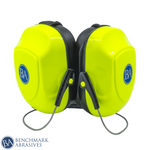
- Hearing Protection: Whether you use earmuffs or plugs, they shouldn't break the seal of your mask.
- Welding Gloves and Jackets: These protect against "arc burn" and sparks.
- Fall Protection: If you're welding on a bridge or high-rise.
- Power Tools: Always ensure your power tools have proper guards to reduce the initial volume of debris.
Selecting the Right Respirator for Your Job
Before you buy, review the product information carefully. If you are grinding stainless steel, you need a P100 filter. If you are TIG welding aluminum in a large shop, a high-quality half-mask with "pancake" filters is likely your best bet.
Always consider your welding needs: do you need the mobility of a half-mask or the all-day comfort of a PAPR? Your worker safety depends on being honest about your exposure levels.
Protect Your Lungs Before the Job Starts
Mastering the trade means mastering the gear. You wouldn't use a dull flap disc to finish a high-end project, so don't use "good enough" protection for your lungs.
Getting a high-quality respirator system from a trusted source like Benchmark Abrasives ensures you can enjoy your work for years to come. Don't wait until you have a chronic cough to take your air quality seriously.
Join Our Newsletter
Sign up to get the latest on sales, new releases and more …Join Our Newsletter
Sign up to get the latest on sales, new releases and more …Shop Categories
Recent Articles
- Personal Protective Equipment Kits for Abrasive Work
- PPE Checklist for Fabrication Shops
- Respiratory Protection for Grinding and Welding
- Why Abrasive Safety Still Matters for Grinding Wheels
- Caring For Your Abrasives: Maintenance Tips For Extended Lifespan
- Woodworking Safety: Best Practices When Using Abrasives
- How To Remove Glue From Hands
- How To Remove Oil From Hands
- How To Remove Gap Filler or Spray Foam From Hands
- How To Remove Paint From Hands
Featured Products
-
 746 Reviews
4-1/2" x 7/8" T29 Zirconia High Density Flap Disc - 10 pack
$25.19
-
 738 Reviews
4-1/2" x .040" x 7/8" t1 premium thin cut-off wheel - 25 pack
$20.88
-
 220 Reviews
4-1/2" x 7/8" T27 Zirconia High Density Flap Disc - 10 pack
$25.19
-
 380 Reviews
6" x .045 x 7/8" T1 Premium Thin Cut-Off Wheel - 25 pack
$27.29
-
 55 Reviews
Nonwoven 6" X 9" Scuff, Clean & Finish Hand Pads
$0.83
-
 123 Reviews
4-1/2" x 1/4" x 7/8" T27 Depressed Center Grinding Wheel - 25 pack
$28.34


Blog Categories
- Abrasives
- Sanding
- Grinding Deburring Finishing
- Safety and Cleanliness
- Metal Working
- Selecting Tools And Equipment
- Wood Working
- Art And Design
- Diy Projects
- Industry 4.0
- Buffing
- Cutting Tools
- Carbide Burrs
- PPE
- Wire Brushes
- Bonded Abrasives
- TIG Electrodes
- Wire Wheels
- Bits
- Diamond Blades
- Power Brushes
- Product Reviews
- Grinding
- Finishing
- Industrial Cleaners