



























Customize Your Ride: Automotive Detailing DIY

Automotive detailing has become popular among both regular car owners and automotive enthusiasts. Research indicates that the DIY car detailing market has seen a significant rise, with more individuals opting to take car care into their own hands. In fact, a recent survey found that nearly 70% of car owners prefer to clean and maintain their vehicles themselves to save on costs and ensure personal satisfaction.
But what does "detailing" truly entail, and how can you achieve professional-level results right in your own driveway?
Keep reading for your complete guide to DIY automotive detailing.
Why DIY Detailing is Worth It
Innately, DIY detailing is a cost-effective alternative to hiring professional detailers. It allows car enthusiasts to achieve stunning results without taking any costly services. Besides making your car look better, DIY detailing also increases its lifespan and improves the driving experience.
When combining the right tools, products, and patience, you can achieve the professional, shining car detailing done by a showroom.
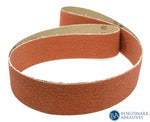
Additionally, for those looking to address deeper imperfections, you can use abrasives for auto detailing, which aids in paint correction and surface refinishing.
Preparation For Car Detailing: Your Workspace and Supplies
Preparing your workspace is important for effective automotive detailing.
Begin by choosing a shaded area out of direct sunlight; working in the shade helps prevent surfaces from overheating and keeps the cleaning solutions manageable.
For a smooth detailing process, gather all your supplies:
- A microfiber wash mitt for the exterior.
- A detailing brush for interior surfaces.
- Car wash soap designed for auto detailing.
- A clean microfiber towel for drying the auto parts.
- A vacuum cleaner for the interior.
Important Tips to Remember
- Avoid using any dish soap for washing your car, don’t use any dish soap. The reason is that it strips away wax and can harm the paint.
- Ensure that all surfaces of the vehicle are cool before starting the detailing process. This helps to make cleaning solutions more effective and prevents damage to the paint and other sensitive areas.
Exterior Wash For Removing Dirt Without Damaging Paint
To properly wash your car without damaging the paint, use the two-bucket method. This technique helps prevent swirl marks by keeping dirt separate from your clean water.
Use one bucket filled with soapy water and another with clean water, where you can rinse your wash mitt before dipping it back into the soap.
Begin by rinsing the car with water to loosen surface dirt. After that, dip the microfiber wash mitt into the soapy water and wash the car in small sections. Working in sections prevents soap from drying too quickly and leaving streaks.
Focus on removing loose dirt, bird droppings, and water spots to avoid paint scratches. Contaminants often gather in areas exposed to the sun, so take extra care with those spots. If you find tougher stains, allow the soap to sit for a moment to soften them before rinsing.
Once you've finished washing, thoroughly rinse the car to eliminate all traces of soap. This step prepares the surface for drying or any additional detailing. Done properly, this process not only makes your car look spotless but also protects the paint finish from long-term damage.
Related Article: How to Fix Scratches on Car Wheels?
Deep Cleaning With Decontamination and Clay Barring
The car’s surface is full of embedded contaminants, such as tree sap, road grime, and industrial fallouts. It makes regular washing insufficient for achieving a great finish.
A clay bar kit is an excellent solution for removing embedded particles that washing alone can’t remove. Clay barring prepares the paint for subsequent abrasive work or polishing, ensuring a smooth surface before applying any protective waxes or sealants.
When using a clay bar, it’s important to apply it in circular motions or straight lines, maintaining a gentle touch. Work slowly across each section of the surface, applying special attention to areas with visible contaminants.
This technique removes dirt without damaging the paint finish, resulting in a smoother and cleaner surface. Regularly lubricate the clay bar with a detailing spray to enhance its effectiveness and protect the car’s surface during the decontamination process.
Paint Correction and Polishing for a Smooth, Glossy Finish
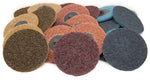
Paint correction is essential for a high-quality finish. This abrasiveness in detailing can be accomplished using DIY car body abrasives tools, like sanding discs or fine sanding sheets, for minor imperfections.
For larger corrections on older vehicles with significant wear, utilizing a detailing car with sanding belts and abrasives is highly effective. However, caution is advised, as aggressive removal can damage the paint surface if not properly controlled.
Reducing and Removing the Swirl Marks
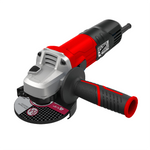
Using a dual-action polisher is recommended once you have addressed major imperfections. This tool effectively reduces wear and tear, minimizes oxidation, and eliminates swirl marks while enhancing the paint's glossiness.
After polishing, it’s essential to seal the paint with a high-quality car wax, carnauba wax, or a durable paint sealant to provide long-term protection against environmental factors and keep your finish looking sharp.
Taking Professional Detailing Help
If the DIY methods are not sufficient to remove signs of heavy damage or extensive oxidation, consider seeking professional car detailing. Trained detailers have the experience and specialized equipment to restore your vehicle's appearance effectively while minimizing the risk of damage.
Related Article: How to Polish a Car
Tire, Trim, and Wheels—The Details People Notice First
To achieve a brilliant shine, every part of the car needs to be carefully cleaned. Wheels, tyres, and trim are the first details that catch the eye, and they're essential for transforming an ordinary vehicle into a stunning masterpiece.
Below are the tips to clean them with less effort:
- Safely Remove Brake Dust: Use a gentle, non-abrasive cleaner or dedicated wheel cleaning solution. Employ a soft brush to lift away tough grime without scratching the wheel finish.
- Apply Tire Dressing or Tire Shine: Use high-quality tire dressing products for a glossy, like-new appearance. Protects tires from UV damage and prevents cracking.
- Refresh Plastic Trim: Use a trim restorer to rejuvenate faded plastic surfaces. Provides a noticeable improvement in appearance, enhancing overall aesthetics.
- Enhance Overall Look: Clean and well-maintained wheels, tires, and trim contribute significantly to the car’s presentation. These details often make the first impression on onlookers and potential buyers.
- Regular Maintenance: Schedule routine cleaning for wheels and trim to keep them in optimal condition. This fosters long-term protection and maintains the vehicle's appeal.
Interior Detailing—Restoring the Inside of Your Ride
Bringing comfort and cleanliness back to your car's cabin requires proper interior detailing. First, carefully vacuum the carpets, seats, floor mats, and other small areas where dirt and debris often accumulate. For a thorough cleaning, pay attention to the spaces between cushions, under seats, and in crevices.
After vacuuming, use an interior cleaner or upholstery cleaner to treat all interior surfaces, including door panels, dashboards, and console areas. Be sure to adhere to the manufacturer's guidelines for each specific material type to prevent any damage. For fabric seats, a steam cleaner can provide a deep clean and refresh the material effectively.
Once the interior surfaces are cleaned, clean the windows last to achieve streak-free glass and improve visibility. Use a glass cleaner and a microfiber cloth for the best results.
If your vehicle has pet hair or persistent odors, consider using specialized pet hair removal tools and odor eliminators. Be cautious not to oversaturate surfaces during cleaning, as this can lead to mildew growth in upholstered materials. Regular interior detailing enhances your vehicle's comfort, appeal, durability, and resale value.
Finishing Touches and Maintenance Routine
How often should you have your car detailed, considering your usage and environmental conditions? Your usage and environment will determine how often you should have your car detailed. If you live in a harsh-weather area or frequently travel in dirty conditions, you may need to have your car detailed more often to maintain its appearance.
Establishing a consistent car care routine lets you test new products and techniques to improve your detailing routine. Appreciating the results of your hard work by noticing the changes in your vehicle's appearance can be highly rewarding. Keeping up with a maintenance routine not only improves the detailing experience but also helps keep your car’s paint fresh, protecting it from environmental damage and ensuring a lasting shine.
Conclusion
Take pride in your DIY auto projects and the improvements you have made through automotive detailing. Experimenting with different techniques and products not only improves your skills but also boosts your confidence in maintaining your vehicle. Every detail contributes to a more polished appearance, showcasing your dedication to quality workmanship.
Benchmark Abrasives offers a wide variety of abrasive products. Explore to find the best option in abrasives and detailing supplies. Continue maintaining and caring for your car with regular DIY car detailing tips.
Join Our Newsletter
Sign up to get the latest on sales, new releases and more …Join Our Newsletter
Sign up to get the latest on sales, new releases and more …Shop Categories
Recent Articles
- Resin Fiber Discs vs Flap Discs: When Should You Use Each?
- Best Abrasives for Rust Removal on Steel
- Cut-Off Wheels vs Band Saws: Which is Better for Metal Cutting
- How to Optimize RPM Abrasive Disc Performance & Lifespan
- Surface Conditioning Discs: A Fabricator's Guide
- Best Flap Disc for Stainless Steel: Complete Fabricator’s Guide
- Ceramic vs Zirconia Flap Discs: Which Performs Better for Metal Fabrication
- How to Choose the Right Grit for Metal Sanding Projects
- Tools Collection for Fabrication and Abrasive Workflows
- How to Choose the Right Diamond Blade
Featured Products
-
 746 Reviews
4-1/2" x 7/8" T29 Zirconia High Density Flap Disc - 10 pack
$25.19
-
 738 Reviews
4-1/2" x .040 x 7/8" T1 Premium Thin Cut-off Wheel - 25 pack
$20.88
-
 220 Reviews
4-1/2" x 7/8" T27 Zirconia High Density Flap Disc - 10 pack
$25.19
-
 380 Reviews
6" x .045 x 7/8" T1 Premium Thin Cut-Off Wheel - 25 pack
$27.29
-
 123 Reviews
4-1/2" x 1/4" x 7/8" T27 Depressed Center Grinding Wheel - 25 pack
$28.34
-
 55 Reviews
Nonwoven 6" x 9" Scuff, Clean & Finish Hand Pads
$0.83


Blog Categories
- Abrasives
- Sanding
- Grinding Deburring Finishing
- Safety and Cleanliness
- Metal Working
- Selecting Tools And Equipment
- Wood Working
- Art And Design
- Diy Projects
- Industry 4.0
- Buffing
- Cutting Tools
- Carbide Burrs
- PPE
- Wire Brushes
- Bonded Abrasives
- TIG Electrodes
- Wire Wheels
- Bits
- Diamond Blades
- Power Brushes
- Product Reviews
- Grinding
- Finishing
- Industrial Cleaners