



























Wire Wheel vs Cup Brush vs End Brush

Choosing the right wire brush is essential for achieving optimal results and maintaining safety on the job. Whether you're a professional in metal fabrication or tackling a DIY restoration project, understanding the differences between wire wheels, cup brushes, and end brushes can significantly impact your efficiency and the quality of your work.
Each type of brush is designed for specific applications—from broad surface cleaning to reaching tight corners—and selecting the wrong one can lead to surface damage, wasted time, or safety risks.
In this guide, you'll learn how to identify which brush best suits your needs, when to choose crimped versus knotted wires, and how to match the abrasive to your material and tool for faster, safer, cleaner results.
Brush Types Explained: Uses and Applications
Every abrasive is not ideal for every application. Some applications need specific abrasive tools that are most suitable for better results. Each brush is designed to handle specific materials and tasks, from heavy-duty removal to delicate surface polishing. Proper brush selection not only improves work efficiency but also enhances safety and surface quality. This detailed guide below will help you understand each brush type and when to use it.
1. Wire Wheel Brushes
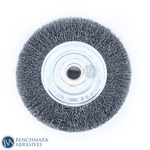
Wire wheel brushes, which are multipurpose tools, have primary uses for cleaning, deburring, and surface preparation of metal surfaces. They are especially effective for cleaning flat surfaces and broad areas where large-scale or rough cleaning is needed. These brushes are typically mounted on bench grinders or angle grinders. They are suitable for both workshop and industrial settings.
Variants of Wire Wheel Brushes
- Knotted wire wheels: Knotted wire wheels are designed for aggressive material removal, making quick work of rust, paint, and weld slag.
- Crimped-wire brushes: They offer flexibility for detailed finishing. It provides a softer, more controlled clean without damaging delicate metal surfaces or creating a rough finish. These are perfect for finishing and light deburring tasks.
Using the right wire wheel brush depends on the project requirements. For intense cleaning and heavy removal, knotted wire wheels are the best choice, while crimped-wire brushes excel in finishing jobs.
Both variants are invaluable in metalworking for preparing surfaces, removing weld slag, and cleaning tools. Proper selection of the wire wheel brush ensures efficient work, longer tool life, and guarantees a safe, smooth finish on your metal surfaces.
2. Cup Brushes
Cup brushes are ideal for flat surfaces like beams or large weldments, and perfect for large surface areas. Their available type are crimped wire cup brushes, knotted cups, and twisted wire cup brushes.
Variants of Cup Brushes
Crimped Wire Cup Brush: It features soft, flexible wires that provide lighter cleaning and surface blending. Ideal for finishing work and gentler surface preparation on metal surfaces.
Knotted Cup: Contains tightly knotted wires that deliver heavy-duty cleaning power. Perfect for removing rust, paint, or heavy slag from welds and large surfaces.
Twisted Wire Cup Brush: Combines aggressive cleaning with a more controlled finish. Suitable for weld cleaning and surfaces requiring a balance of heavy-duty debris removal and surface preservation.
These are excellent for weld cleaning and heavy-duty surface cleaning, quickly removing rust, paint, and weld slag. The knotted cup is particularly suited for aggressive material removal, while crimped wire cups excel in lighter cleaning and blending. Twisted wire cups provide a balance of cleaning power and surface finishing. Using the appropriate cup brush for your project ensures efficient surface cleaning and weld cleaning on large metal surfaces.
3. End Brushes
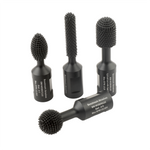
End brushes are specifically designed for working in tight spaces and on irregular surfaces where larger brushes can't reach. They are perfect for edge blending, cleaning corners, or removing MIG welding spatter. These brushes can be easily paired with a die grinder or a drill with a hex shank, providing precision and ease of use in confined areas. The hex shank allows quick tool changes, making end brushes convenient for repetitive tasks.
Variants of End Brushes
Knotted End Brush: These brushes have tightly-bound knots of wire for aggressive and heavy-duty cleaning applications like removing rust, carbon from engine heads. The knotted wires provide extreme scrubbing power and durability, making them ideal for tough industrial tasks.
Crimped Wire End Brushes: Designed with soft, flexible bristles, crimped wire brushes are perfect for light cleaning, surface prep, and polishing in tight spaces. They offer excellent control, helping to achieve a gentle finish on delicate metal surfaces without gouging or damaging the material. These brushes excel in finishing tasks where precision is critical.
Surface Preparation End Brushes: Featuring abrasive surfaces like grinding or cleaning discs, these brushes are used for rust removal, paint stripping, and surface debris removal in confined areas. They provide highly accurate cleaning, ensuring surfaces are perfectly prepared for finishing or coating.
Knot vs Crimp: Aggression, Flexibility, and Lifespan
Knotted brushes, with twisted knots and cable twists, are designed for more aggressive jobs. They are great for heavy-duty jobs like rust or paint removal because they remove material quickly. Their twisted knots provide higher abrasion, but this also means increased wear and tear and a shorter lifespan due to wire breakage.
Crimped-wire brushes are more flexible and produce a gentler surface finish. They’re ideal for surface polishing or cleaning metal surfaces without gouging or damaging the material. Knotted brushes tend to wear out faster and are more prone to wire breakage. It makes them ideal for tough, heavy-duty jobs. While the crimped-wire brushes last longer, they provide a softer and cleaner surface. They are perfect for delicate work or finishing.
| Feature | Knotted Brushes | Crimped-Wire Brushes |
| Aggression | High – designed for aggressive material removal | Moderate – suited for finer cleaning and finishing |
| Flexibility | Less flexible, stiffer wire for heavy-duty work | More flexible, ideal for surface finishing |
| Material Removal Speed | Faster, removes material quickly in heavy-duty tasks | Slower, suited for precision and delicate work |
| Wear and Tear | Shorter lifespan due to rapid wear and tear | Longer lifespan, more resistant to wire breakage |
| Surface Finish Quality | Less smooth, more surface abrasion | Provides a smoother, more controlled finish |
Matching Brushes to Your Specific Tasks
The right brush can be selected based on the specific cleaning task and the application to be accomplished. Every task needs a different type of abrasive tool. Here is a decision-making guide to help you make decisions easily all the time.
Rust Removal
For removing rust from metal surfaces, a wire wheel brush with crimped wires offers good control. It efficiently removes surface rust without gouging or damaging the metal. This wire brush is suitable for cleaning parts, tools, and machinery.
Weld Cleanup/Weld Scale
Use a knotted cup brush or stringer bead brushes to remove weld scale and slag. These are designed for heavy-duty material removal on welds, ensuring a smooth, clean surface ready for finishing or painting.
Paint Removal/Old Paint
To strip old paint or coatings, use a crimped wire cup brush or flap discs. These tools effectively remove layers of paint and prepare the surface for finishing or repainting.
Broad Flats
For cleaning large, flat surfaces like steel plates or beams, a cup brush provides broad coverage and quick surface cleaning.
Inside Corners
Finish inside corners and tight spaces with end brushes or small die grinder attachments. These are ideal for detailed cleaning tasks where precision is essential.
Related Article: How to Remove Paint from a Car with Minimal Damage
Choose The Best Brush for Your Material
The selection of a brush for cleaning, grinding, or polishing depends on the working surface. The appropriate brush ensures efficient results and protects your surfaces from damage. For example, using a softer nylon brush on delicate plastic prevents scratches, while a stiff wire wheel on metal surfaces ensures thorough cleaning and debris removal.
In addition to increasing productivity, choosing the right brush can also prevent unnecessary wear. Ultimately, this results in longer tool life and a better finish.
Carbon Steel
For carbon-steel surfaces, the best choices are wire-wheel brushes or knotted-cup brushes. These brushes provide aggressive cleaning by removing rust, paint, and burrs without gouging the material. They are durable enough for heavy-duty material removal and ideal for treating carbon steel in construction or manufacturing.
Stainless Steel and Aluminum
When working with stainless steel or aluminum, avoid contamination by mixing materials. Use aluminum oxide or abrasive nylon brushes designed specifically for these base materials. These brushes prevent material transfer and surface contamination, maintaining the integrity of the material type and ensuring a clean, smooth finish.
Choosing the Perfect Wire Brush
Always consider wire type, wire diameters, and wire thickness to match the material type to the working surface. Thinner wire diameters are good for finishing or gentle cleaners, while thicker wires are better for heavy-duty material removal. Correct wire wheel selection helps prevent gouging or premature wear, ensuring your brush lasts longer and performs safely across different applications.
Essential Tips for Matching Tool and RPM
Knowing which tool best suits your specific application for cutting, grinding, or polishing ensures optimal performance. It extends the lifespan of your equipment. Providing key tips to help you make informed decisions, matching each tool for high-quality results every time.
Compatible Power Tools
Wire brushes and abrasives can be used with a variety of power tools, depending on the task. The most common power tools include angle grinders, bench grinders, die grinders, and rotary drills. Each of these tools has a specific speed rating, so always ensure compatibility to prevent accidents and tool damage. Each tool serves specific purposes:
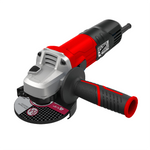
- Angle grinders are versatile and ideal for heavy-duty cleaning, deburring, and surface preparation. Choose the right brush diameter and tool speed for safe and effective use.
- Bench grinders are stationary and suitable for sharpening, grinding, and finishing larger workpieces, but require a compatible arbor hole size.
- Die grinders are high-speed power tools perfect for precision jobs, detailed grinding, or cleaning tight spaces.
- Rotary drills are used for smaller-scale work, like spot cleaning, contouring, or finishing surfaces in confined areas, with appropriate abrasive and tool speed.
Importance of Essential Tool Features
Tool speed: It affects the final result of abrasive work. Using a brush or wheel at the wrong RPM can cause wire shedding, excessive wear, or even tool failure. Always operate within the manufacturer’s recommended tool speed to avoid accidents.
Brush diameter: It influences the surface area covered and the cleaning aggressiveness. Larger brush diameters are suitable for heavy-duty tasks but require a compatible tool speed. Smaller brushes are better for detail work at lower RPMs.
Arbor hole: It’s crucial to match the arbor hole size to the machine tool for a secure fit. Incorrect sizing can lead to vibration, imbalance, or damage to the workpiece. Always verify before mounting.
Machine tool matching: The brush or grinding wheel must be compatible with the tool speed and size. Using an incompatible power tool or exceeding speed limits can cause wire shedding or workpiece damage. Proper matching ensures safe, efficient operation and extends tool life across all applications.
Safety Best Practices
Wire brushing and grinding involve high-speed tools and abrasive materials, making safety a top priority. Taking the right precautions not only protects you from injury but also ensures better tool performance and longevity.
Before starting any project, always follow these essential safety best practices:
- Ensuring safety during wire brushing and grinding is important. Always wear safety glasses, a face shield, and a face mask to protect against flying debris, dust, or small pieces of wire that might break loose.
- Wearing gloves is important to safeguard your hands from the possible dangers posed by sharp metal bristles.. The risks of wire breakage are significant, as metal bristles can shed at high speeds, causing injury or equipment damage.
- Utilize guards and maintain the correct approach angle, typically at 20-30 degrees, to prevent breakage and ensure safe operations. Follow best practices, such as avoiding excessive pressure and keeping tool speed within safe limits.
- Regularly inspect wire brushes for wear and damage, and promptly replace any worn metal bristles. Keeping your workspace clean, securing workpieces, and adhering to safety guidelines contribute to safe cleaning or grinding tasks, protecting both yourself and your coworkers.
FAQs / Quick Answers
Q. Is a knot wheel too aggressive for a thin sheet?
Yes, a knot wheel can be too aggressive for thin sheet metal; it may damage it. The best way to handle thin sheets is with a crimped-wire brush, which provides a gentler touch and is less likely to gouge the material.
Q. Cup brush vs. wheel for frames?
For frame cleaning, a cup brush is effective for broad area coverage and surface finishing, while a wheel is better for edges and corners. Choosing between them depends on the specific task to achieve the best results.
Q. Why is my wire wheel shedding wires?
Wire wheel shedding usually occurs due to excessive pressure, high RPM, or using an incompatible tool. Overloading the brush causes wires to break or shed faster, risking injury. Always operate within the recommended speed, avoid excessive force, and regularly inspect the brush for wear to prevent wire shedding.
Q. Best diameter for weld spatter cleanup?
A diameter of 3 to 4 inches is optimal for weld spatter removal, providing control and effective reach. Use a quality brush to guarantee precision and enhanced cleaning.
Q. Where can I buy high-quality brushes?
High-quality brushes are available in popular stores like Benchmark Abrasives. Also, reviews are the best way to choose superior products.
Brushing Up Your Final Decision
Choosing between a wire wheel, a cup brush, and an end brush ultimately depends on your specific task, material, and tool. For heavy-duty cleaning, a wire wheel or cup brush offers aggressive removal, while end brushes excel in reaching tight spaces and detailed areas. Understanding the work surface and finishing requirements helps you to select the right brush that delivers better results safely.
Remember, Benchmark Abrasives is your trusted supplier for a wide range of featured products in the abrasive tool collection. We provide high-quality wire brushes and other specialized abrasives.
Join Our Newsletter
Sign up to get the latest on sales, new releases and more …Join Our Newsletter
Sign up to get the latest on sales, new releases and more …Shop Categories
Recent Articles
- Resin Fiber Discs vs Flap Discs: When Should You Use Each?
- Best Abrasives for Rust Removal on Steel
- Cut-Off Wheels vs Band Saws: Which is Better for Metal Cutting
- How to Optimize RPM Abrasive Disc Performance & Lifespan
- Surface Conditioning Discs: A Fabricator's Guide
- Best Flap Disc for Stainless Steel: Complete Fabricator’s Guide
- Ceramic vs Zirconia Flap Discs: Which Performs Better for Metal Fabrication
- How to Choose the Right Grit for Metal Sanding Projects
- Tools Collection for Fabrication and Abrasive Workflows
- How to Choose the Right Diamond Blade
Featured Products
-
 746 Reviews
4-1/2" x 7/8" T29 Zirconia High Density Flap Disc - 10 pack
$25.19
-
 738 Reviews
4-1/2" x .040" x 7/8" t1 premium thin cut-off wheel - 25 pack
$20.88
-
 220 Reviews
4-1/2" x 7/8" T27 Zirconia High Density Flap Disc - 10 pack
$25.19
-
 380 Reviews
6" x .045 x 7/8" T1 Premium Thin Cut-Off Wheel - 25 pack
$27.29
-
 55 Reviews
Nonwoven 6" X 9" Scuff, Clean & Finish Hand Pads
$0.83
-
 123 Reviews
4-1/2" x 1/4" x 7/8" T27 Depressed Center Grinding Wheel - 25 pack
$28.34


Blog Categories
- Abrasives
- Sanding
- Grinding Deburring Finishing
- Safety and Cleanliness
- Metal Working
- Selecting Tools And Equipment
- Wood Working
- Art And Design
- Diy Projects
- Industry 4.0
- Buffing
- Cutting Tools
- Carbide Burrs
- PPE
- Wire Brushes
- Bonded Abrasives
- TIG Electrodes
- Wire Wheels
- Bits
- Diamond Blades
- Power Brushes
- Product Reviews
- Grinding
- Finishing
- Industrial Cleaners