




























Linear Finishing for Stainless Steel: How to Achieve a Consistent Grain

In metal fabrication, the grain quality of a stainless steel surface is often what elevates a part from being merely "functional" to a true "finished product." This distinction is critical for fabricators working with stainless steel.
Linear finishing for stainless steel is the process of applying a directional, uniform scratch pattern to the metal. It’s a critical step for both aesthetic and sanitary reasons. Whether you are prepping food processing equipment that needs to be perfectly smooth to prevent bacterial growth or crafting architectural panels for a high-end lobby, the grain is your signature.
We often see tools cross boundaries. A perfect example is the flap wheel or flap disc.
Traditionally a heavy-duty metalworking tool, it has become a favorite in woodworking for aggressive shaping of wood surfaces. However, when it comes to the precision of stainless steel finishing, we move away from the circular motion of discs and into the world of the drum sanders.
This guide will take you through the technical "how-to" of achieving a professional-grade grain every single time.
A Range of Stainless Steel Finishes
Before you start grinding, you have to know where you are starting and where you are going. Stainless steel doesn't come out of the mill in a "brushed" state. It arrives in several different mill finish conditions.
- No. 1 Finish: Hot-rolled and annealed. It has a rough, dull, and pitted appearance. This is your raw base material for heavy industrial use.
- No. 2B Finish: Cold-rolled, brightened by a final light pass through polished rolls. This is the most common mill finish for sheet metal.
- BA Finish (Bright Annealed): A highly reflective, mirror-like finish achieved by annealing in a controlled atmosphere.
- No. 4 Finish: This is the industry standard for surface finishing. It is a "brushed" or satin finish characterized by short, uniform parallel lines.
The aesthetic appeal of a No. 4 finish is obvious, but it also serves a functional purpose. A consistent grain helps maintain corrosion resistance by preventing deep, irregular pits where moisture and contaminants can hide.
Tools for Linear Finishing on Stainless
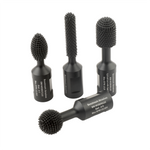
To achieve a linear grain, you need a tool that moves the abrasive in a straight line. While belt sanders can work for small parts, the drum sander (often called a burnishing tool) is the superior choice for stainless steel parts.
- Handheld Drum Sander: Tools like a handheld drum sander offer variable speed control. This is important; spinning a drum too fast on stainless steel will generate excess heat and ruin the grain.
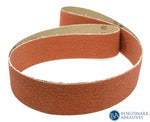
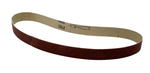
- Abrasive Belts and Drums: You will use a mix of coated abrasive belts for material removal and non-woven drums for finishing.
- Flap Wheels: These are excellent for blending welds before you begin the final graining process.
Safety Warning: Stainless steel dust contains nickel and chromium. Always wear a NIOSH-approved dust mask or respirator. Ensure your power tool is properly grounded, and never operate a drum sander without wrap-around eye protection.
Related Article: Types of Abrasive Drums for Linear Finishing
The Linear Finishing Process
Achieving a professional-grade finish isn't about one single pass; it is a process. Skipping a stage in the sequence is the fastest way to end up with a messy, inconsistent metal surface.
Stainless Steel Surface Preparation
The first step you should always take is to prepare the surface. You cannot create a beautiful grain over grease, oxidation, or weld splatter.
- Cleaning: Remove all oils and protective films.
- Defect Removal: Use a grit abrasive belt (usually 60 or 80 grit) to remove heat discoloration, deep scratches, or "heat tint" from welding.
- Assessing Roughness: Use a profilometer if your contract specifies a roughness average (Ra). For most decorative work, your eyes and fingers are the judges.
Step-by-Step Finishing Process
Step 1: The First Pass (Leveling)
Using a coarse grit (60-80) coated abrasive belt on your drum sander, establish your starting point. This pass is about material removal and creating a level field.
Technique: Move the tool at a consistent speed. If you pause, you create a "dwell mark."
Step 2: Refining the Grain
Switch to a medium grit (120-180). This stage transforms coarse gouges into the fine lines characteristic of a brushed surface. This is where the brushing process truly begins to take shape.
Step 3: The Satin Finish
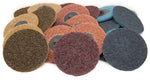
To reach a true No. 4 finish, move to a non-woven (surface conditioning) drum. These don't have a "grit" in the traditional sense but are rated as Coarse, Medium, or Fine. A "Medium" non-woven drum provides that classic satin finish.
Step 4: Optional Polishing
If the project requires a high luster or mirror finish, you will continue through polishing steps using felt drums and specialized polishing pastes.
Achieving Consistent Grain
The difference between a pro and a novice is the "flow" of the grain. If your lines look like a zig-zag or have "tails," you have a technique issue.
- Brushing Direction: Once you pick a direction, stay with it. Cross-hatching is the enemy of linear finishing for stainless steel.
- Feed Speed: Maintain a steady pace. If you move too slowly, you'll build up heat. If you move too fast, the scratch pattern will look skipped and "choppy."
- Drum Height: Don't lean on the tool. Let the weight of the drum sander and the grit size of the abrasive do the work. Over-pressuring leads to surface imperfections and burn marks.
- Large Surfaces: When working on large sheet metal sections, overlap your passes by about 20%. This prevents visible "lanes" from appearing in the result.
Advanced Finishing Considerations
For some stainless steel products, the finish is about more than just visual appeal.
- Food Processing: These surfaces require a specific roughness average to ensure they can be sanitized. Usually, a No. 4 finish with a specific Ra value is required.
- Architectural Elements: For outdoor handrails, the surface treatment might include a final pass with a protective wax to further enhance corrosion resistance.
- Bright Annealed (BA): If you are starting with bright annealed material and need to add a grain, you must be extremely careful not to "break" the surface too deeply, or you will lose the inherent reflectivity of the base material.
Common Mistakes and Troubleshooting
Even with the best finishing practices, things can go wrong. Here’s how to fix them:
- Burn Marks: This is caused by friction. Either your variable speed control is set too high, or your grit abrasive is dull. Increase your speed across the metal or change the belt.
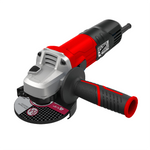
- Swirl Marks: Usually caused by using a rotary tool (like an angle grinder) too late in the process. The drum sander is designed to remove these, but it takes time.
- Inconsistent Grain: Often caused by "belt tracking" issues. If the belt isn't centered on the sanding drum, the pressure won't be even.
- Grit Contamination: Do not use belts on stainless steel that have been used on carbon steel previously. You will embed carbon particles into the stainless steel surface, leading to "tea staining" or localized rusting.
Linear Finishing for Elevated Stainless Steel Results
Mastering linear finishing for stainless steel is about discipline. By following a dedicated step process, from the first step of leveling to the final step of conditioning, you ensure a final finish that is both beautiful and durable.
The result should be a brushed surface that looks like it was created by a single, continuous stroke of a brush. Whether you are a small shop fabricator or a large-scale manufacturing team, having the right surface finishing tools makes a difference.
At Benchmark Abrasives, we carry a wide collection of a new line of drum sanders, abrasive belts, and non-woven drums specifically for the rigors of stainless steel. Visit our store today.
Join Our Newsletter
Sign up to get the latest on sales, new releases and more …Join Our Newsletter
Sign up to get the latest on sales, new releases and more …Shop Categories
Recent Articles
- Resin Fiber Discs vs Flap Discs: When Should You Use Each?
- Best Abrasives for Rust Removal on Steel
- Cut-Off Wheels vs Band Saws: Which is Better for Metal Cutting
- How to Optimize RPM Abrasive Disc Performance & Lifespan
- Surface Conditioning Discs: A Fabricator's Guide
- Best Flap Disc for Stainless Steel: Complete Fabricator’s Guide
- Ceramic vs Zirconia Flap Discs: Which Performs Better for Metal Fabrication
- How to Choose the Right Grit for Metal Sanding Projects
- Tools Collection for Fabrication and Abrasive Workflows
- How to Choose the Right Diamond Blade
Featured Products
-
 746 Reviews
4-1/2" x 7/8" T29 Zirconia High Density Flap Disc - 10 pack
$25.19
-
 738 Reviews
4-1/2" x .040" x 7/8" t1 premium thin cut-off wheel - 25 pack
$20.88
-
 220 Reviews
4-1/2" x 7/8" T27 Zirconia High Density Flap Disc - 10 pack
$25.19
-
 380 Reviews
6" x .045 x 7/8" T1 Premium Thin Cut-Off Wheel - 25 pack
$27.29
-
 55 Reviews
Nonwoven 6" X 9" Scuff, Clean & Finish Hand Pads
$0.83
-
 123 Reviews
4-1/2" x 1/4" x 7/8" T27 Depressed Center Grinding Wheel - 25 pack
$28.34


Blog Categories
- Abrasives
- Sanding
- Grinding Deburring Finishing
- Safety and Cleanliness
- Metal Working
- Selecting Tools And Equipment
- Wood Working
- Art And Design
- Diy Projects
- Industry 4.0
- Buffing
- Cutting Tools
- Carbide Burrs
- PPE
- Wire Brushes
- Bonded Abrasives
- TIG Electrodes
- Wire Wheels
- Bits
- Diamond Blades
- Power Brushes
- Product Reviews
- Grinding
- Finishing
- Industrial Cleaners