



























How to Pick the Right RPM, Grit, and Pressure for Better Grinding Results

Picking the right settings for your grinder is a delicate balance of science and hands-on feel that determines whether you get a professional finish or a ruined workpiece. This guide will walk you through the precise ways that RPM, grit size, and pressure interact to help you master any grinding project in the shop.
Understanding RPM and Its Role in Grinding Performance
Rotational speed is the fundamental core of your grinding operation, determining how many times the abrasive grain makes contact with the workpiece in a given minute.
When we talk about rotational speed, we are looking at how the speed of the grinder translates into cutting efficiency, control over the tool, and the amount of heat generated during the process. If your rpm range is too high, you risk burning the material or shattering the disc; if it is too low, the abrasive may simply rub against the surface rather than cutting it, leading to a stalled tool and poor results.
What is Grinder RPM and Why It Matters
Grinder RPM refers to the number of revolutions the spindle completes every sixty seconds. It matters because different tools operate at vastly different speeds to accommodate their design and the abrasive material they carry. For example, a high-speed grinder might spin at 11,000 RPM to drive a small cutting disc, while a slow-speed grinder used for sharpening might stay under 3,000 RPM to protect the tempering of tool steel.
Understanding your specific rpm range ensures you are operating within the design parameters of your equipment.
Surface Speed vs RPM: What Fabricators Need to Know
Surface speed is a more precise measurement than simple RPM because it accounts for the wheel diameter. While your grinder might have a constant rotational speed, the actual speed at which the abrasive particles travel, known as surface feet per minute (SFPM), increases as the wheel gets larger.
Knowing your surface feet is critical because it describes the actual cutting action at the point of contact. As a wheel wears down and its surface area decreases, its surface speed also drops, which is why a worn-down 5-inch grinder disc feels less aggressive than a brand-new one even though the speed of the grinder remains the same.
High RPM vs Low RPM: When to Use Each
Choosing between high RPM and lower RPM depends entirely on your task and the material being worked on. High rpm is generally used for aggressive material removal and cutting, where the higher speeds allow the abrasive grains to fracture and stay sharp. Conversely, lower RPM or slower speeds are preferred for finishing, polishing, or working with heat-sensitive materials like stainless steel. Using low RPMs provides better control and reduces the risk of removing too much material too quickly, while higher speeds are the go-to for heavy-duty fabrication.
Selecting the Correct Grit Size for the Job
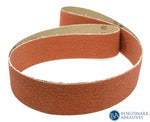
The grit size you choose is the primary factor in determining your material removal rate and the final texture of your surface. Grit refers to the size of the abrasive grain particles bonded to the grinding discs, sanding belts, or abrasive belts you are using.
Coarse vs Fine Grit: What’s the Difference?
The difference between coarse and fine grit is the size and spacing of the abrasive material. Coarse grits (usually 24 to 36) are designed for aggressive material removal, such as knocking down heavy weld beads or shaping raw metal. These larger grains cut deep into the surface but leave a rough scratch pattern. Fine grits (80 and above) are used for surface refinement and polishing. They have a lower material removal rate but produce a much smoother finish that prepares the workpiece for paint or plating.
Matching Grit Size to Material and Application
Different materials require different grit strategies to achieve optimal results. For softer metals like aluminum, a coarser grit might be used to prevent loading, while harder tool steel requires a grit that can handle the resistance without dulling. When selecting belt grit for an abrasive belt, you must consider the starting condition of your surface. If you are starting with a rough casting, a low grit number is necessary, but for a piece of cold-rolled sheet metal, you might start with a medium grit to avoid creating unnecessary deep scratches.
Grit Selection for Cutting vs Finishing
Your grit selection should always be tied to your desired cutting speed and surface refinement. For fast cutting speed, a coarse abrasive grain is essential because it can take a larger "bite" out of the metal. However, as you move toward finishing, you must progressively move to finer grit size options to eliminate the scratches caused by the previous step. This progression is the secret to professional-grade surface finishing in any industrial or DIY setting.
How Pressure Impacts Grinding Results
Grinding pressure is often the most overlooked variable in the workshop, yet it directly affects heat, finish quality, and the life of the wheel. The amount of force you apply determines how deeply the abrasive grain penetrates the workpiece.
Light Pressure vs Heavy Pressure
Finding the right touch is a skill that takes time to develop. Light pressure is generally used for finishing, blending, and working with fine grits, where you want the tool to glide over the surface. Heavy pressure or much pressure is typically applied during the initial stages of a grinding operation to force the abrasive particles. However, there is a limit to how much pressure is effective.
If you apply too much pressure, you are likely to bog down the motor and increase wheel wear without actually increasing your cutting efficiency.
The Risks of Excess Pressure
Excessive pressure leads to several negative consequences, the most prominent being heat buildup. This heat generation can warp thin sheet metal, discolor stainless steel, and cause premature wear of the abrasive grain. When you push too hard, the bond holding the abrasive can break down too quickly, leading to what is known as "shedding," where the disc loses its cutting ability well before it should. This not only increases your costs but also creates more wear and tear on the grinder’s internal components.
Finding the Right Balance
Finding the right balance means letting the tool do the work. A lighter pressure combined with the correct RPM allows the abrasive to cut efficiently without generating excessive friction. A light touch improves your control over the tool, reduces operator fatigue, and significantly extends the life of the wheel. If you feel you have to lean into the grinder to get it to cut, it is usually a sign that your grit size is too fine or your wheel is glazed and needs dressing.
Matching RPM, Grit, and Pressure for Different Materials
The material being worked on is the ultimate decider for your settings. Each metal or substrate has its own thermal and physical properties that react differently to grinding forces.
Carbon Steel and Tool Steel
Carbon steel is relatively forgiving and can handle higher speeds and heavy pressure without much risk of damage. Tool steel, however, is much harder and more sensitive to heat. When grinding tool steel, you should use a moderate rpm range and consistent, lighter pressure to avoid overheating the metal and losing its hardness. A ceramic abrasive grain is often the best choice here due to its high cutting efficiency on hard metals.
Stainless Steel Grinding Considerations
Stainless steel is a poor conductor of heat, meaning the heat stays localized at the point of contact. This makes heat buildup a major concern, as it can cause a permanent blue or straw-colored discoloration. To succeed with stainless steel, you should use lower RPM or variable speed settings and keep the disc moving with light pressure. Utilizing an abrasive material with a grinding aid (top size) can also help keep the surface cool and prevent glazing.
Concrete and Hard Materials
Concrete grinding requires a completely different approach, typically involving diamond tools. Hard concrete is extremely abrasive and generates significant dust and heat. When performing concrete grinding, the focus is on maintaining a steady cutting speed without forcing the diamond tools to the point of overheating. Using the correct rpm is vital here to ensure the diamonds are actually grinding the surface rather than just spinning over it and creating friction.
Tool Type Matters: Matching Settings to Your Equipment
The type of grinder you use dictates the limits of your RPM and the wheel diameter you can safely run. Every tool has a specific horsepower rating and designed speed that you must respect.
Angle Grinders vs Bench Grinders
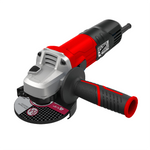
An angle grinder is highly versatile and typically runs at high speeds, making it perfect for handheld cutting and blending. Bench grinders, on the other hand, usually have a fixed wheel diameter and operate at lower, more stable grinder speeds. A bench grinder is better for precision sharpening and heavy shaping, where the workpiece can be brought to the stationary tool. Always check the wheel width and surface area of your bench grinder wheels to ensure they match the task.
Belt Grinders and Contact Wheels
Belt grinders utilize an abrasive belt that runs over a contact wheel. The hardness and diameter of the contact wheel significantly change the grinding action. A hard serrated contact wheel provides a more aggressive cut for heavy material removal, while a soft smooth wheel is better for blending and finishing. The linear nature of the belt allows for excellent heat dissipation compared to a circular disc.
High-Speed vs Variable Speed Tools
While a high-speed grinder is great for general tasks, a variable-speed tool offers the most flexibility. Speed control allows you to dial in the correct RPM for different materials and abrasive types. Adjusting settings for a 4.5-inch angle grinder versus a larger 7 or 9-inch grinder is essential because larger discs have much higher surface speeds at the same RPM. Having a tool with a high-efficiency motor and speed control ensures you can handle everything from heavy carbon from rough steel grinding to fine polishing.
Grinding Wheel Selection and Its Impact on Performance
Grinding wheel selection is just as important as the speed at which you spin it. The composition of the wheel, including the abrasive grain and the bond, determines how the wheel behaves under load.
Abrasive Grain and Bond Type
The abrasive grain (such as aluminum oxide, zirconia, or ceramic) does the cutting, while the resin bond holds everything together. A hard resin bond is durable and lasts a long time, but may glaze over on hard materials. A softer bond wears away faster, constantly exposing fresh abrasive grain, which is necessary for maintaining a high cutting efficiency on hard tool steel.
Wheel Grade and Structure
Wheel grade refers to the strength of the bond holding the abrasive. A hard-grade wheel is best for soft materials, where you want the wheel to stay intact, while a softer grade is better for hard materials to prevent heat buildup. The structure or porosity of the wheel also affects how well it clears chips and dissipates heat during the grinding operation.
Proper Wheel Dressing for Efficiency
Over time, a wheel can become "loaded" with metal particles or "glazed" where the grains have dulled. Wheel dressing is the process of using a dressing tool to remove the top layer of dull grains and metal debris. Regular wheel dressing restores the cutting efficiency of your grinding discs and wheels, ensuring you don't have to compensate for a dull tool by applying dangerous amounts of pressure.
Common Grinding Mistakes and How to Avoid Them
Even experienced fabricators can fall into bad habits that lead to wear and tear on their tools and poor surface finishes.
Using the Wrong RPM
The most dangerous mistake is using a wheel that is not rated for the speed of the grinder. Never exceed the max RPM stated on the disc or the tool. Using a recommended RPM that is too low for the grain type can also be a mistake, as it causes the abrasive to "rub" rather than "cut," leading to heat and inefficiency.
Choosing the Wrong Grit
Starting with a grit size that is too fine will only lead to frustration and wasted time. Conversely, finishing with a grit that is too coarse will leave visible scratches that are impossible to hide with paint. Always plan your grit progression before you start.
Applying Too Much Pressure
If you see blueing on your metal or sparks that look dull and orange, you are likely applying too much pressure. This reduces your cutting efficiency because the abrasive grains are being crushed rather than being allowed to cut. It also leads to uneven wear and can cause the grinder to kick back, creating a safety hazard.
Safety Considerations When Adjusting RPM, Grit, and Pressure
Safety must always be the priority in any grinding operation. The high speeds and grinding forces involved mean that a small error can have serious consequences.
Staying Within RPM Limits
For safety reasons, always verify that your abrasive is rated for a higher max RPM than your grinder’s output. If a disc rated for 10,000 RPM is put on a 13,000 RPM grinder, it can explode due to centrifugal force. Always check the label before mounting any new disc.
Managing Heat and Sparks
Safety precautions should include a clear workspace. The heat buildup from grinding can easily ignite flammable materials nearby. Be aware of where your sparks are landing and always wear the appropriate PPE, including a face shield, gloves, and a leather apron to protect against hot metal fragments.
Safe Grinding Best Practices
Before starting, inspect your grinding wheel for cracks or chips. Use the "ring test" on large wheels by tapping them lightly with a non-metallic object; a clear ring indicates a sound wheel, while a dull thud suggests a hidden crack. Ensure your tool guards are in place and adjusted to direct sparks away from your body.
Mastering RPM, Grit, and Pressure for Peak Performance
Mastering the variables of RPM, grit, and pressure will transform the quality of your work. By finding the right balance, you improve your cutting efficiency, achieve a better finish, and significantly extend the life of your equipment. Remember these key points:
- The right balance of RPM, grit, and pressure improves cutting efficiency and finish quality.
- Lower RPM and lighter pressure reduce heat and extend tool life.
- Optimal results are ensured by matching grit size to the application.
- Tool type, wheel selection, and material all influence performance.
- Small adjustments in your technique can dramatically improve grinding outcomes.
Ready to optimize your grinding setup? Explore high-performance grinding discs, sanding belts, and precision abrasives at Benchmark Abrasives to get the results professionals rely on every day.
Join Our Newsletter
Sign up to get the latest on sales, new releases and more …Join Our Newsletter
Sign up to get the latest on sales, new releases and more …Shop Categories
Recent Articles
- Resin Fiber Discs vs Flap Discs: When Should You Use Each?
- Best Abrasives for Rust Removal on Steel
- Cut-Off Wheels vs Band Saws: Which is Better for Metal Cutting
- How to Optimize RPM Abrasive Disc Performance & Lifespan
- Surface Conditioning Discs: A Fabricator's Guide
- Best Flap Disc for Stainless Steel: Complete Fabricator’s Guide
- Ceramic vs Zirconia Flap Discs: Which Performs Better for Metal Fabrication
- How to Choose the Right Grit for Metal Sanding Projects
- Tools Collection for Fabrication and Abrasive Workflows
- How to Choose the Right Diamond Blade
Featured Products
-
 746 Reviews
4-1/2" x 7/8" T29 Zirconia High Density Flap Disc - 10 pack
$25.19
-
 738 Reviews
4-1/2" x .040" x 7/8" t1 premium thin cut-off wheel - 25 pack
$20.88
-
 220 Reviews
4-1/2" x 7/8" T27 Zirconia High Density Flap Disc - 10 pack
$25.19
-
 380 Reviews
6" x .045 x 7/8" T1 Premium Thin Cut-Off Wheel - 25 pack
$27.29
-
 55 Reviews
Nonwoven 6" x 9" Scuff, Clean & Finish Hand Pads
$0.83
-
 123 Reviews
4-1/2" x 1/4" x 7/8" T27 Depressed Center Grinding Wheel - 25 pack
$28.34


Blog Categories
- Abrasives
- Sanding
- Grinding Deburring Finishing
- Safety and Cleanliness
- Metal Working
- Selecting Tools And Equipment
- Wood Working
- Art And Design
- Diy Projects
- Industry 4.0
- Buffing
- Cutting Tools
- Carbide Burrs
- PPE
- Wire Brushes
- Bonded Abrasives
- TIG Electrodes
- Wire Wheels
- Bits
- Diamond Blades
- Power Brushes
- Product Reviews
- Grinding
- Finishing
- Industrial Cleaners