





























Drum Sander Accessories You Actually Need for Everyday Metal Fabrication

In metal fabrication, the quality of the finish depends on more than the drum sander itself. The accessories you pair with it can affect sanding consistency, surface control, efficiency, and even the life of your abrasive materials. When working with stainless steel, sheet metal, and other demanding surfaces, choosing the right setup can make everyday fabrication work smoother and more predictable.
For clarity, this article is about the portable handheld drum sander, also known as a burnishing machine, used in metal fabrication and finishing. We’re not referring to large stationary woodworking drum sanders, so the accessories below are the ones that apply to handheld metalworking setups.
This guide covers the drum sander accessories that matter most, including:
- Mandrels and mounting hardware
- Sanding sleeves in different grit ranges
- Interface pads for smoother finishing
- Replacement drums and other support accessories
By understanding how these parts work together, fabricators can build a sanding setup that delivers cleaner results and better performance across a wide range of projects.
What Counts as a Must-Have Drum Sander Accessory?
A must-have drum sander accessory is any component that directly affects finish quality, tool stability, or sanding efficiency. In metal fabrication, the right accessories do more than support the tool; they help control surface results, reduce vibration, and keep the sanding process more consistent from one project to the next.
The most important drum sander accessories include:
-
Mandrels and mounting hardware
These hold the drum in place and keep it balanced during use. A poor fit or worn mandrel can create vibration, uneven sanding, and unnecessary strain on the tool.
-
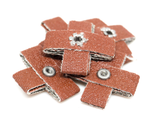
Sanding sleeves
These are the main abrasive components and have the biggest impact on cut rate and finish quality. The right grit and abrasive material help match the drum sander to the metal being worked.
-
Interface pads
These add a layer of flexibility between the drum and the abrasive sleeve. They help the drum follow curves more smoothly and can improve surface consistency on contoured parts.
-
Drum cores and replacement parts
They support the overall function of the sanding system. When drum cores wear down or lose grip, sanding sleeves may slip or wear unevenly, which affects both performance and finish quality.
Compatibility should always be checked before choosing accessories. Shank size, drum diameter, and mounting style all need to match the tool being used, whether that is a rotary tool, drill press, or pneumatic sander. For everyday fabrication work, durability also matters. Accessories that can handle heat, pressure, and repeated use on metal will usually deliver more reliable long-term performance.
Mandrels & Mounting Hardware: The Foundation of Every Setup
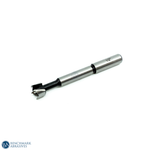
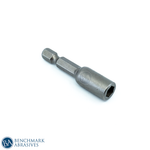
The mandrel is the unsung hero of the sanding process. It is the shank that connects your abrasive to the power source. Without a high-quality, balanced mandrel, your sanding results will never reach professional standards, especially on unforgiving materials like stainless steel.
When selecting a mandrel, you must match the shank size to your tool’s collet or chuck. A 1/4-inch shank is standard for a drill press or larger air sander, while a 1/8-inch shank is typical for a handheld rotary tool. Some advanced setups also utilize flexible shafts to reach into tight geometries where a traditional tool body won't fit.
Safety is the most important consideration here. A bent or out-of-balance mandrel will cause vibration that leads to "chatter" marks on the metal. Over time, these vibrations can damage the bearings in your power tools. If you notice a wobbling sensation or uneven wear on your sanding sleeves, it is a clear sign you need to check your mounting hardware for replacement parts. Always ensure the mandrel is rated for the maximum RPM of your tool.
Sanding Sleeves: Grit Selection & Material Matters
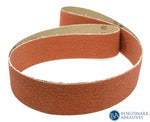
The Sanding Sleeve is the business end of the tool. Unlike flat sandpaper sheets used for hand-sanding, these cylindrical sleeves are designed to provide a continuous, linear contact point. In sheet-metal fabrication, choosing the right material is the difference between a clean finish and a contaminated surface.
For general-purpose work, aluminum oxide is a reliable choice. However, when working with stainless steel, professionals often step up to zirconia or ceramic sleeves. Ceramic abrasives stay sharper longer and run cooler, which prevents the heat-tinting that can ruin a decorative stainless finish.
Grit progression is a non-negotiable part of the workflow. You might start with a 60 or 80 grit Sanding Sleeve for heavy paint removal or weld blending, then move to 120 or 220 grit for edge deburring and surface conditioning. Using a sanding drum kit that offers a variety of grits allows you to move through these stages without searching for the right refill. Remember, metal is much harder on abrasives than wood; expect a higher replacement frequency to maintain consistent sanding results.
Interface Pad: The Secret to Smoother Finishes & Longer Drum Life
Many fabricators skip the interface pad, viewing it as an unnecessary extra. This is a mistake. An interface pad is a cushioned layer that sits between the hard drum core and the abrasive sleeve. Its primary job is to absorb vibration and allow the abrasive to conform to curved surfaces.
When you are sanding flat Sheet-Metal, a hard drum is fine. But as soon as you encounter a radius or a contoured part, a standard sanding pad or a hard drum will create flat spots. The interface pad provides the "give" needed to follow the shape of the workpiece. This conformity also means the grit is distributed more evenly across the surface, which significantly extends the life of your sanding sleeves. Whether you are using corded power tools or air-powered systems, adding this layer of cushion is the secret to a "brushed" look that is free of dips and valleys.
Replacement Drums and Complete Kits
Even the best rubber drum cores eventually wear out. Heat is the primary enemy; over time, the rubber can become brittle, lose its grip on the sanding sleeves, or develop grooves from uneven pressure. Signs that your drum core is failing include sleeves that slip during use or a noticeable "thumping" sound as the drum rotates.
For shops starting from scratch or looking to upgrade, a drum sander kit or a comprehensive sanding drum kit is usually the most affordable option. These kits bundle various drum sizes and replacement parts into a single package, often at a better Sale price than buying components individually. Having a wide range of drum diameters on hand is essential for fabrication shops scaling their production, as it allows operators to match the tool to the specific internal radii of the parts they are finishing.
Grinder & Disc Accessories That Pair with Drum Sanders
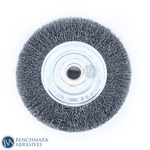
Metal fabrication is rarely a single-tool process. To get the best results, you need to integrate your drum sanding with other grinder accessories. For example, a wire brush on a bench grinder is often the best first step for heavy rust removal before the drum ever touches the metal.
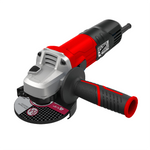
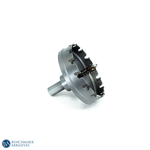
In tight corners where a drum cannot reach, quick-change discs are the perfect companion. Many shops use a loop backing pad system on an angle grinder to transition from heavy grinding to fine finishing. If you are starting with raw stock, you will likely use a cut-off wheel to get to size before using a drum sander to refine the edges. By thinking of these as a unified system, you reduce the time spent moving between workstations.
Comparing Drum Sanders to Other Sanding Systems
It is important to know when a drum is the right choice versus other sanding tools. A belt sander is excellent for heavy material removal and linear shaping on long, flat edges. However, for internal curves and detailed contouring, the drum is superior.
Unlike orbital systems that create a swirl pattern, drum sanding is primarily used for linear finishes. While an air sander might be the better choice for large, flat panels to prevent heat buildup, the drum excels at precision shaping. Regardless of the system, shop cleanliness is vital. Using dust collectors not only keeps the workspace safe but also prevents metal dust from being recirculated into your power tools, which can cause electrical shorts or mechanical wear.
Fabrication Workflow: From Cut to Finish
A typical professional workflow involves a sequence of specialized tools. You might start by cutting your material with a miter saw or a jigsaw. For thicker stock, you might rely on a band saw blade setup to manage the initial dimensions.
Once the piece is cut, the real work begins. You might trim excess with a cut-off wheel and remove heavy burrs with a wire brush or a handheld file. This is the stage where you introduce the drum sander. Using a coarse Sanding Sleeve, you shape the profile of the metal. As you move toward the finish, you add an interface pad to the drum and switch to a finer grit to remove the scratches from the previous step.
Interestingly, many of these metalworking principles carry over into other trades. Understanding how abrasives are important in woodworking can actually help a metal fabricator understand heat management and grit exhaustion. In mixed-material shops, you might see a metalworker using woodworking tips to manage a complex project that involves both a router table and a metal finishing station. Whether you are using a router bit for a soft metal edge or saw accessories for a clean cut, the logic of abrasive progression remains the same.
Choosing the Right Accessories for Your Shop Setup
Your choice of accessories should also reflect your power source. Cordless tools offer unmatched portability, which is great for working on large assemblies where a power cord would be a trip hazard. However, for high-volume drum sanding, a corded drill press or a stationary setup is usually preferred for its consistent power delivery.
In shops that handle a variety of tasks, you might see drum sanders being used alongside hand tools like deburring blades and chisels. In more specialized mixed-material shops, accessories might even need to be compatible with tools like biscuit joiners or shaper accessories. The key is to ensure that your mandrels and drums are rugged enough to handle the transition from soft materials to hardened steel without losing their balance.
Build a Smarter Sanding System for Everyday Fabrication
The difference between mediocre and masterful metalwork often lies in the small details. By pairing your drum sander with the right mandrels, sanding sleeves, and an interface pad, you ensure that every part leaving your bench meets a high standard of quality.
Focusing on a wide range of accessories allows you to adapt to any challenge, from heavy weld blending to the delicate finishing of Stainless Steel. If you are looking to upgrade your current setup, keep an eye out for a sanding drum kit that offers the best balance of versatility and value. Check the current Sale price on professional-grade hardware to get the best return on your investment.
Should you have any questions about shank compatibility or grit selection for a specific alloy, our customer service team is always available to help you select the right drum sander accessories for your unique shop needs. By building a smarter sanding system, you don't just improve your sanding results; you improve your entire fabrication workflow.
Join Our Newsletter
Sign up to get the latest on sales, new releases and more …Join Our Newsletter
Sign up to get the latest on sales, new releases and more …Shop Categories
Recent Articles
- Resin Fiber Discs vs Flap Discs: When Should You Use Each?
- Best Abrasives for Rust Removal on Steel
- Cut-Off Wheels vs Band Saws: Which is Better for Metal Cutting
- How to Optimize RPM Abrasive Disc Performance & Lifespan
- Surface Conditioning Discs: A Fabricator's Guide
- Best Flap Disc for Stainless Steel: Complete Fabricator’s Guide
- Ceramic vs Zirconia Flap Discs: Which Performs Better for Metal Fabrication
- How to Choose the Right Grit for Metal Sanding Projects
- Tools Collection for Fabrication and Abrasive Workflows
- How to Choose the Right Diamond Blade
Featured Products
-
 746 Reviews
4-1/2" x 7/8" T29 Zirconia High Density Flap Disc - 10 pack
$25.19
-
 738 Reviews
4-1/2" x .040 x 7/8" T1 Premium Thin Cut-off Wheel - 25 pack
$20.88
-
 220 Reviews
4-1/2" x 7/8" T27 Zirconia High Density Flap Disc - 10 pack
$25.19
-
 380 Reviews
6" x .045 x 7/8" T1 Premium Thin Cut-Off Wheel - 25 pack
$27.29
-
 123 Reviews
4-1/2" x 1/4" x 7/8" T27 Depressed Center Grinding Wheel - 25 pack
$28.34
-
 55 Reviews
Nonwoven 6" x 9" Scuff, Clean & Finish Hand Pads
$0.83


Blog Categories
- Abrasives
- Sanding
- Grinding Deburring Finishing
- Safety and Cleanliness
- Metal Working
- Selecting Tools And Equipment
- Wood Working
- Art And Design
- Diy Projects
- Industry 4.0
- Buffing
- Cutting Tools
- Carbide Burrs
- PPE
- Wire Brushes
- Bonded Abrasives
- TIG Electrodes
- Wire Wheels
- Bits
- Diamond Blades
- Power Brushes
- Product Reviews
- Grinding
- Finishing
- Industrial Cleaners