



























Best Abrasive for Stainless Steel: Avoid Heat Tint and Contamination

Working with stainless steel requires a level of precision and chemical awareness that goes far beyond standard carbon steel fabrication. To achieve a professional result, you must balance the physical mechanics of grinding with the metallurgical needs of the surface to prevent permanent damage.
Why Choosing the Best Abrasive for Stainless Steel Matters
Stainless steel surfaces are prized for their aesthetic appeal and their excellent corrosion resistance, both of which are easily compromised by the wrong abrasive. When you use an abrasive that is not specifically designed for this alloy, you risk introducing metallic contaminants that can lead to localized rust or unsightly discoloration.
The best abrasive for stainless steel is one that provides a high cut rate while minimizing thermal transfer to the metal surfaces. Selecting the right abrasive is the difference between a high-quality stainless steel abrasive application and a ruined workpiece that requires hours of rework. Because stainless steel has poor thermal conductivity compared to other metal surfaces, the heat generated during grinding stays trapped on the surface, making the choice of a cool-cutting stainless steel abrasive essential.
Using the right abrasive ensures that the protective chromium oxide layer, the source of its corrosion resistance, remains intact and functional.
Understanding Stainless Steel and Abrasive Compatibility
Stainless steel differs significantly from ferrous metals like standard carbon steel because of its chromium and nickel content. While carbon steel is relatively easy to grind, stainless steel is a non-ferrous (or more accurately, a high-alloy) material that is prone to work hardening. This means that if you use an abrasive that rubs instead of cuts, the surface of the workpiece becomes more difficult to process. The most critical compatibility issue is contamination.
Abrasives used on carbon steel should never be used on a stainless steel abrasive task. If even a tiny particle of carbon steel is embedded into the stainless surface, it will act as a site for galvanic corrosion, causing the stainless to "bleed" rust. Using non-ferrous or "contaminant-free" tools ensures your workpiece remains pure and durable.
Common Problems When Using the Wrong Abrasive
Using the wrong abrasive on stainless steel leads to several expensive and time-consuming problems, the most famous being heat tint. Heat tint is the rainbow-colored oxidation that occurs when the surface temperature exceeds a certain threshold, indicating that the chromium has been pulled away from the surface, leaving it vulnerable to rust.
In addition to aesthetic ruin, inappropriate tools can leave deep sanding marks that are nearly impossible to blend out without significant metal removal. This lowers the overall surface finish and finish quality. Furthermore, an abrasive that is not suited for the material will suffer from premature wear and tear, leading to increased costs and frequent tool changes.
Ultimately, the wrong abrasive compromises the corrosion resistance that makes stainless steel such a valuable material in the first place.
Types of Abrasives for Stainless Steel (And When to Use Them)
Flap Discs for Blending and Grinding
Flap discs are the workhorses of stainless steel fabrication because they offer a unique combination of metal grinding and finishing in a single step. The overlapping design of the flaps allows for better airflow, which helps dissipate heat and prevent discoloration. For weld blending and surface preparation, the best flap discs for stainless steel provide a high-speed cut rate while maintaining excellent control over the power tools. They are less aggressive than a standard grinding wheel, which reduces the risk of gouging the workpiece.
Sanding Discs, Sanding Belts, and Sandpaper
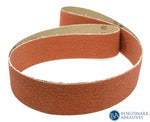
When a project requires a specific linear finish or high material removal rates, sanding belts and sanding discs are the preferred choice. These abrasive products allow for a steady progression from coarser grits to finer ones. Sandpaper and sanding sheets are vital for manual surface finishing, where power tools might be too aggressive. Choosing the correct grit is essential; starting with coarser grits removes the bulk of the material, while finer grits refine the scratch pattern to prepare for final polishing.
Non-Woven Abrasives for Finishing
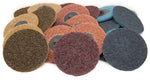
For finishing operations where you need to remove sanding marks and achieve a smooth finish, non-woven abrasives for finishing are essential. Often referred to by brand names like Scotch-Brite, these surface conditioning tools are made of nylon fibers impregnated with abrasive grains. They provide a consistent surface finish and are excellent for blending out minor imperfections without altering the geometry of the workpiece. They are the secret to achieving a professional brushed look.
Wire Brushes and Stainless Steel Wire Tools
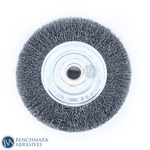
Wire brushes used on stainless steel must be made of stainless steel wires. If you use a carbon steel brush, you will contaminate the surface instantly. These tools are perfect for cleaning weld seams, removing heavy rust, or blast cleaning prep without removing the base metal. They are designed to scrub the surface clean of oxidation while preserving the structural integrity of the workpiece.
Abrasive Blasting Media for Stainless Steel
For complex shapes and large surface areas, abrasive blasting media is often the most efficient route. It is critical to use contamination-free abrasive blast media. Common media types include glass beads for a satin finish, stainless steel shot for peening and cleaning, and even baking soda or plastic abrasive for delicate cleaning tasks. Sandblasting with the wrong blasting materials can permanently damage the surface quality, so always ensure your media is rated for stainless steel use.
How to Choose the Right Abrasive Grain for Stainless Steel
The type of abrasive grain used in your stainless steel abrasive determines both performance and cost. For high-production environments, ceramic and zirconia grains offer the highest material removal rates and longest product life. Ceramic is particularly effective because it stays sharp and cuts with less pressure, which reduces heat. While these high-quality options have a higher upfront cost, they lead to significant cost savings over time through increased efficiency. Aluminum oxide is a lower-cost alternative but may wear out faster and generate more heat on tough stainless surfaces.
Best Abrasives for Specific Stainless Steel Applications
Surface Preparation and Cleaning
Before any welding or finishing begins, surface preparation is required to remove oils, grease, and mill scale. Achieving high surface quality starts with clean metal surfaces. Using a dedicated stainless steel abrasive for cleaning ensures that no foreign particles are introduced before the high-heat operations begin.
Grinding and Weld Blending
For heavy-duty metal grinding, flap discs and high-speed grinding wheels are the standard. When performing weld blending, the goal is to make the weld bead flush with the workpiece without overheating the surrounding metal. The use of specialized power tools with speed control can help manage the thermal output during these aggressive stages.
Surface Finishing and Polishing
To reach a mirror finish, you must follow a strict progression. After the initial surface finishing with sanding belts and discs, you transition to buffing wheels and polishing compounds. The finish quality is a direct result of how well the previous sanding marks were removed. A smooth finish at this stage is what gives stainless its iconic, high-end look.
Tools and Equipment for Stainless Steel Abrasive Work
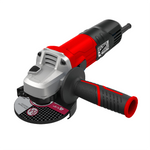
The most common power tools for this work are the angle grinder and the belt sander. For stainless steel, using a tool with variable speed control is a major advantage. High-speed grinding generates massive heat, so being able to turn down the RPM allows for better control over the workpiece and helps protect the abrasive products from glazing. Whether you are using a portable belt sander or a stationary unit, maintaining a steady motion is key to a uniform finish.
Best Practices for Working with Stainless Steel Abrasives
Following best practices is the only way to maintain the corrosion resistance of your metal.
First, always use the right abrasive for the specific grade of stainless steel you are working with.
Second, avoid using high pressure; instead, let the abrasive grain do the work.
Third, keep your work area clean to prevent cross-contamination. Regularly changing your surface finish discs ensures that you are always cutting with sharp grains, which extends product life and improves the final result.
Comparing Abrasive Brands and Performance
When choosing between brands like Weiler Abrasives or high-performance options from Benchmark Abrasives, consider the total cost of the project. A wide range of abrasive products is available on the market, but professional-grade tools often provide better cost savings through durability.
Benchmark Abrasives focuses on providing the specialized tools needed to handle the tough requirements of stainless steel without the premium price tag of some larger competitors.
Safety Considerations When Grinding Stainless Steel
Safety information should never be ignored. High-speed grinding on metal surfaces creates fine dust and sparks that can be hazardous. Always wear a face shield, heavy-duty gloves, and respiratory protection. Because stainless steel grinding can create sharp burrs, be mindful of the wear and tear on your PPE. Ensure your workspace is well-ventilated to prevent the inhalation of metallic dust.
Common Mistakes to Avoid When Abrading Stainless Steel
The most frequent error is using the wrong abrasive, such as one previously used on carbon steel. This compromise to corrosion resistance is often invisible until the first rain or cleaning cycle, when rust spots appear. Another mistake is skipping the grit progression; trying to move from a 40-grit flap disc to a polishing compound will leave deep sanding marks and a poor finish quality. Finally, overheating the metal leads to permanent structural changes that no amount of polishing can fix.
Selecting the Right Abrasive for Stainless Steel
- The best abrasive for stainless steel depends entirely on your specific application and desired finish.
- Always use stainless-specific, contamination-free abrasives to maintain corrosion resistance.
- Flap discs are the best option for versatile grinding and weld blending.
- Non-woven abrasives are essential for removing marks and achieving a consistent surface finish.
- Proper grit progression and the right abrasive grain are the keys to a high-quality result.
Investing in the right tools saves time, reduces waste, and ensures a professional finish. Shop high-performance stainless steel abrasives at Benchmark Abrasives to ensure your projects are done right the first time.
Get durable, professional-grade products designed for clean cuts and flawless finishes. Explore our full range of options for grinding, blending, and polishing stainless steel today and see why pros choose us for their most demanding jobs.
Join Our Newsletter
Sign up to get the latest on sales, new releases and more …Join Our Newsletter
Sign up to get the latest on sales, new releases and more …Shop Categories
Recent Articles
- Resin Fiber Discs vs Flap Discs: When Should You Use Each?
- Best Abrasives for Rust Removal on Steel
- Cut-Off Wheels vs Band Saws: Which is Better for Metal Cutting
- How to Optimize RPM Abrasive Disc Performance & Lifespan
- Surface Conditioning Discs: A Fabricator's Guide
- Best Flap Disc for Stainless Steel: Complete Fabricator’s Guide
- Ceramic vs Zirconia Flap Discs: Which Performs Better for Metal Fabrication
- How to Choose the Right Grit for Metal Sanding Projects
- Tools Collection for Fabrication and Abrasive Workflows
- How to Choose the Right Diamond Blade
Featured Products
-
 746 Reviews
4-1/2" x 7/8" T29 Zirconia High Density Flap Disc - 10 pack
$25.19
-
 738 Reviews
4-1/2" x .040 x 7/8" T1 Premium Thin Cut-off Wheel - 25 pack
$20.88
-
 220 Reviews
4-1/2" x 7/8" T27 Zirconia High Density Flap Disc - 10 pack
$25.19
-
 380 Reviews
6" x .045 x 7/8" T1 Premium Thin Cut-Off Wheel - 25 pack
$27.29
-
 55 Reviews
Nonwoven 6" x 9" Scuff, Clean & Finish Hand Pads
$0.83
-
 123 Reviews
4-1/2" x 1/4" x 7/8" T27 Depressed Center Grinding Wheel - 25 pack
$28.34


Blog Categories
- Abrasives
- Sanding
- Grinding Deburring Finishing
- Safety and Cleanliness
- Metal Working
- Selecting Tools And Equipment
- Wood Working
- Art And Design
- Diy Projects
- Industry 4.0
- Buffing
- Cutting Tools
- Carbide Burrs
- PPE
- Wire Brushes
- Bonded Abrasives
- TIG Electrodes
- Wire Wheels
- Bits
- Diamond Blades
- Power Brushes
- Product Reviews
- Grinding
- Finishing
- Industrial Cleaners