



























Pneumatic Tool Guide: What to Know Before You Buy

Pneumatic tools are compressed air-powered tools used for sanding, fastening, drilling, grinding, and finishing in professional and industrial settings. They are valued for their lightweight design, steady performance, and ability to handle demanding tasks over long periods of use.
This pneumatic tools guide explains how pneumatic tools work, how to choose the right air compressor, and how to compare factors like PSI, CFM, tank size, and air supply setup. It also covers common pneumatic tool types, maintenance tips, and safety best practices to help you choose the right setup for your shop or jobsite.
What Are Pneumatic Tools and How Do They Work?
Pneumatic tools are tools powered by compressed air rather than electricity or batteries. Instead of using an electric motor, they rely on air pressure from a compressor to create the force needed for drilling, fastening, sanding, grinding, and other shop tasks.
In simple terms, a pneumatic system works like this:
- An air compressor pressurizes and stores air
- The compressed air travels through a hose to the tool
- Inside the tool, that air powers an internal motor or piston
-
The tool then converts that air pressure into mechanical movement
One reason pneumatic tools remain popular is their simple design. Since they do not rely on heavy electric components, they are often lighter, run cooler, and perform well during extended use. That makes them especially useful in fabrication shops, automotive work, construction, and other demanding environments.
Common examples of pneumatic tools include:
- Air drills
- Air impact wrenches
- Nail guns and staple guns
- Air sanders and grinders
- Air hammers and sandblasters
Pneumatic Tools vs Electric Tools
Pneumatic tools are often preferred in demanding work environments because they combine strong performance with a lighter feel in the hand. While electric and cordless tools have become more advanced, air-powered tools still offer several advantages in fabrication shops, automotive settings, and other high-use applications.
Some of the main benefits of pneumatic tools include:
- Strong power in a lighter tool body
- Consistent performance during extended use
- Less heat buildup during demanding tasks
- Fewer internal electronic parts that can wear out
-
Reliable operation in dusty or heavy-use environments
For example, an air impact wrench can often deliver impressive torque without the added weight of a large battery. Pneumatic tools also tend to run cooler over long periods, which makes them well suited for repetitive shop work. In environments where tools are used heavily throughout the day, that combination of durability, simplicity, and steady performance can be a major advantage.
Selecting the Right Air Compressor
The most important part of your setup isn't the tool, it's the right air compressor. Buying a tool without checking your air supply is a recipe for frustration. You need to understand the relationship between PSI (pounds per square inch) and CFM (cubic feet per minute).
Understanding PSI, CFM, and Air Flow
Most pneumatic tools are designed to operate at 90 PSI. This is the pressure required to move the tool's mechanical parts effectively. However, the air volume—measured in CFM—is what keeps the tool running. Every tool has a required CFM rating. For example, a continuous-use tool like an air sander or a sanding drum might require 10 to 15 CFM, while an air drill might only need 4 CFM because it is used in shorter bursts.
When you size air compressor units, look at the CFM rating at 90 PSI. If your compressor provides 5 CFM but your tool requires 8 CFM, you will experience a significant pressure drop, and the tool will stall or lose power. Always aim for a compressor that provides about 20% more CFM than your hungriest tool requires to account for future tool additions.
Tank Size and Duty Cycle Explained
Tank size, measured in gallons, dictates how much air you have in "storage." A larger tank size doesn't give you more power, but it prevents the motor from cycling on and off constantly. This brings us to the duty cycle of the compressor itself. If a compressor is rated for a 50% duty cycle, it should only run for 30 minutes out of every hour. Pushing a small compressor to keep up with high tool consumption will shorten its life and lead to a tripped pressure switch or motor failure.
Essential Pneumatic Tools and Use Cases
Modern pneumatic systems support a massive variety of hand tools for almost every stage of a project.
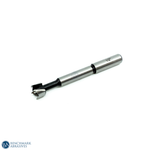
Fastening tools like a brad nailer or staple gun are essentials for trim work and upholstery. For heavy assembly, the air impact wrench and air ratchet wrench are the kings of the automotive shop. When it comes to drilling, pneumatic drills are often preferred in sheet metal fabrication because they can be easily stalled without damaging the motor, which is safer when working with thin, snag-prone materials and various drill bits.
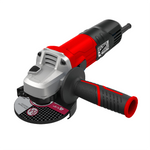
For surface prep, air grinders and the air die grinder allow for precision work on metal. If you are moving into finishing, an air sander or belt sander provides a consistent performance that is hard to match. Even cleaning becomes easier with a blow gun for removing sawdust or a Tire Inflator for shop maintenance. And we can't forget the finishing stage, where a paint sprayer, spray gun, or airbrush provides a professional atomization of coatings that electric units struggle to achieve in home improvement or automotive spray painting projects.
Spotlight: Pneumatic Sanding Drums and Linear Scratch Pattern Finishing
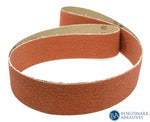
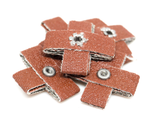
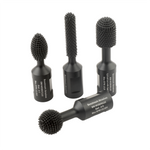
One of the most exciting developments in the world of pneumatic finishing is the sanding drum. While an air sander typically moves in a random orbital or rotary motion, a sanding drum rotates on a fixed axis to create a linear scratch pattern.
This linear scratch pattern is a technical differentiator in metal finishing. If you are working with stainless steel or architectural sheet metal, you want the grain to look long and consistent, similar to a brushed finish. Pneumatic power is ideal for these drums because it maintains a consistent speed under load. As we launch our new sanding drum collection, remember that matching the drum to your compressor specs is key to achieving that high-end industrial look. Unlike electric versions that can be bulky, a pneumatic sanding drum is streamlined for better control during the finishing process.
Air Supply Setup: Hoses, Fittings, and Regulation
A great tool and a great compressor are nothing without a solid air supply line. You must use the correct air hose diameter—usually 3/8 inch for most tools. A hose that is too thin or too long will cause air consumption issues and pressure loss before the air even reaches the tool.
Ensure your air fittings are high-quality and leak-free. Air leaks are effectively a tax on your electricity bill and put unnecessary strain on your compressor. Every setup should include an air filter to remove moisture and a pressure regulator to ensure you aren't hitting your tools with more than the recommended 90 PSI. Moist air is the primary enemy of the air motor, as it leads to internal rust and premature wear and tear.
Maintenance Tips for Long Tool Life
Pneumatic tools require less maintenance than electric tools, but they are not maintenance-free. The most important of all maintenance tips is lubrication. Most air tools require a few drops of specialized air tool oil into the air inlet every single day of use. This oil coats the vanes of the air motor, reducing friction and preventing heat buildup.
Regularly inspect your hoses and air fittings for damage. Check for wear and tear on consumables like discs, drill bits, and your sanding drum. Monitoring your tool consumption over time can also help you spot issues; if a tool suddenly requires more air to do the same job, it may have an internal leak or worn-out vanes. Proper maintenance can easily double the tool life of your pneumatic investment.
Safety Guidelines and Tool Safety Best Practices
Working with high-pressure air requires specific safety guidelines.
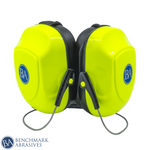
Eye protection is mandatory. Pneumatic tools, especially a blow gun or air sander, tend to kick up a lot of debris at high speeds. Hearing protection is also essential, as the exhaust from air tools can be quite loud in an enclosed shop.
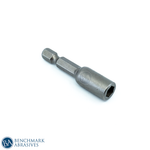
When it comes to tool safety, always disconnect the air supply before changing accessories like drill bits or sanding drums. An accidental trigger pull while changing a bit can cause serious injury. Be mindful of air hose placement on the jobsite to avoid trip hazards. If you are using a spray gun or paint gun, ensure you have proper ventilation and respiratory protection, as the fine mist can be hazardous.
Case Study: Choosing the Right Setup for a Fabrication Shop
Let's look at a mid-sized fabrication shop that works primarily with sheet metal. They use an air impact wrench for assembly, pneumatic drills for precision holes, and they are looking to integrate the new sanding drum for their final finishes.
Initially, they struggled with tool performance because of air leaks and a small tank size. By upgrading to a compressor with a higher CFM rating and installing a dedicated air line with a moisture air filter, they stabilized their system at a steady 90 PSI. This upgrade was crucial for the sanding drum, which requires a high volume of air to maintain the linear scratch pattern across large stainless steel panels. This case study highlights that industrial applications succeed when the air supply matches the tool's required CFM.
Need Help Choosing the Right Tools?
If you are still unsure about your tool CFM requirements or which air fittings are compatible with your existing setup, we are here to help. Finding the right tools for your specific needs is a process of balancing your available air power with the tasks you want to accomplish. Contact us today so our specialists can assist you!
Whether you are looking for more information on the sanding drum collection or need advice on air grinders, don't hesitate to reach out. We want your browsing experience to lead to a setup that actually works when you pull the trigger.
From Air Power to Precision Finishing: Build Your Pneumatic Setup Today
Building a pneumatic setup is an investment in power and longevity. By following this pneumatic tool guide and making informed decisions about the right air compressor, you are setting yourself up for years of consistent performance. Remember to match your tool type to your air supply and never skip on maintenance, like oiling your air motor.
With the launch of our new sanding drum category, there has never been a better time to upgrade your finishing game. The ability to create a professional linear scratch pattern will set your work apart from the competition. Explore our collection of pneumatic air tools today and experience the difference that air power can make in your shop.
Join Our Newsletter
Sign up to get the latest on sales, new releases and more …Join Our Newsletter
Sign up to get the latest on sales, new releases and more …Shop Categories
Recent Articles
- Resin Fiber Discs vs Flap Discs: When Should You Use Each?
- Best Abrasives for Rust Removal on Steel
- Cut-Off Wheels vs Band Saws: Which is Better for Metal Cutting
- How to Optimize RPM Abrasive Disc Performance & Lifespan
- Surface Conditioning Discs: A Fabricator's Guide
- Best Flap Disc for Stainless Steel: Complete Fabricator’s Guide
- Ceramic vs Zirconia Flap Discs: Which Performs Better for Metal Fabrication
- How to Choose the Right Grit for Metal Sanding Projects
- Tools Collection for Fabrication and Abrasive Workflows
- How to Choose the Right Diamond Blade
Featured Products
-
 746 Reviews
4-1/2" x 7/8" T29 Zirconia High Density Flap Disc - 10 pack
$25.19
-
 738 Reviews
4-1/2" x .040" x 7/8" t1 premium thin cut-off wheel - 25 pack
$20.88
-
 220 Reviews
4-1/2" x 7/8" T27 Zirconia High Density Flap Disc - 10 pack
$25.19
-
 380 Reviews
6" x .045 x 7/8" T1 Premium Thin Cut-Off Wheel - 25 pack
$27.29
-
 55 Reviews
Nonwoven 6" X 9" Scuff, Clean & Finish Hand Pads
$0.83
-
 123 Reviews
4-1/2" x 1/4" x 7/8" T27 Depressed Center Grinding Wheel - 25 pack
$28.34


Blog Categories
- Abrasives
- Sanding
- Grinding Deburring Finishing
- Safety and Cleanliness
- Metal Working
- Selecting Tools And Equipment
- Wood Working
- Art And Design
- Diy Projects
- Industry 4.0
- Buffing
- Cutting Tools
- Carbide Burrs
- PPE
- Wire Brushes
- Bonded Abrasives
- TIG Electrodes
- Wire Wheels
- Bits
- Diamond Blades
- Power Brushes
- Product Reviews
- Grinding
- Finishing
- Industrial Cleaners