



























Grinding Wheel Grit Chart: Grits, Grades and Bonds Explained

Choosing the right grinding wheel for a job can seem like guesswork, but it doesn't have to be. In fact, it shouldn’t be. For professional metalworkers and even weekend DIY enthusiasts, selecting the right wheel is a crucial step in achieving professional results.
It’s about more than just the size of the wheel, however; it's also about grit, grade, and bond type.
This comprehensive guide will introduce you to the key factors in grinding wheel selection and provide a detailed grinding wheel grit chart to help you choose the best wheel for your specific needs. By understanding the basics of grinding wheel grades and the differences between vitrified and resin bond wheels, you'll be able to handle a variety of grinding tasks and achieve the best results every time.
Grinding Wheel Types and Shapes
Before considering grit, you need to understand the basic types and sizes of grinding wheels. The size of a wheel determines its contact area with the workpiece and its compatibility with various grinding tools.
-
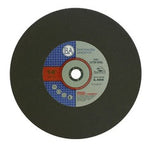
Type 1 (T1) Straight Wheels: These are the most common shape, flat discs used for general-purpose grinding and cutting. They are the standard for most bench grinder applications and straight grinding tools. Their large, flat surface is excellent for broad surface grinding.
- Type 27 (T27) Depressed-Center Wheels: These wheels have a depressed hub, which allows them to be used at an angle. They are the standard for angle grinder applications and are perfect for blending welds, shaping, and grinding tools. The recessed center allows the user to grind at a comfortable angle without the risk of the arbor nut interfering with the work.
The choice between Type 1 vs. Type 27 wheels is primarily determined by the type of grinder you have and the type of contact you have with the metal.
Related Article: Guide to Abrasive Wheel Types
Grit and Grade Chart
Grit and grade are the two most important factors that determine the grinding performance of a wheel.
Grit (Grain Size)
The grain size or particle size of the abrasive grains on the wheel's surface determines how aggressive the cutting action will be.
- Coarse Grit (10-24): For rapid material removal and coarse grit stock removal. Ideal for rough grinding.
- Medium Grit (30-60): A versatile middle ground for general-purpose grinding and shaping.
- Fine Grit (70-220): For precision grinding and achieving a smooth finish.
Grade (Hardness)
The grinding wheel grades refer to the hardness of the bond holding the abrasive particles together.
- Soft Grades (A-H): The bond breaks down quickly, exposing fresh abrasive grains. This is ideal for hard materials where the wheel needs to stay sharp.
- Medium Grades (I-P): A balanced choice for general applications on various materials.
- Hard Grades (Q-Z): The bond is very strong, providing a long wheel life on soft metals.
Next, this table provides a quick guide to grinding wheel selection:
| Grit Size | Grinding Wheel Grades | Suitable Materials | Typical Application |
| 10-24 | Soft-Medium | Stainless steel, cast iron, hard steel | Rough grinding, heavy stock removal |
|
30-60 |
Medium-Hard | Mild steel, aluminum, and general metals | General purpose, shaping |
| 70-220 | Medium-Hard | Carbide, high-speed steel | Precision grinding, tool sharpening, finishing |
Bond Types and When to Use Them
Bond type is the material that connects the abrasive particles to the grinding wheel, and it significantly affects the wheel's performance. The most common bond types are resin and vitrified.
1. Vitrified Bonds: These are glass-like bonds that are hard, strong, and porous. They offer excellent dimensional stability and are ideal for grinding tools that require precise stock removal. Vitrified wheels excel on high-speed steel and for precision grinding tasks.
2. Resin Bonds: Also known as organic bonds, these are more flexible and often used for cutting and polishing. They are perfect for fast grinding operations and for use on portable tools.
3. Rubber and Other Specialty Bonds: These are used for specific finishing applications where a very smooth surface is required.
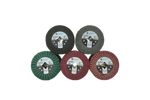
Benchmark Abrasives offers wheels with a variety of abrasive materials, including ceramic alumina and zirconia alumina for aggressive stock removal, and silicon carbide for grinding non-ferrous metals and cast iron.
Material Match and Loading Notes
Choosing the right wheel for your type of material is crucial for efficiency and safety.
-
Mild Steel: Most general-purpose aluminum oxide wheels work well on mild steel.
-
Stainless Steel: Abrasive grains are very important here. For stainless steel, you need a wheel that is iron, sulfur, and chlorine-free to prevent discoloration and contamination.
-
Cast Iron: Silicon carbide wheels are the best choice for cast iron because they are very hard and sharp, which helps them grind this brittle material effectively.
- Soft Metals (e.g., aluminum): These can cause the wheel to "load" or "glaze," where metal particles clog the wheel's surface and make it ineffective. To prevent this, use a coarser grit wheel and a softer grade, which allows the grains to break out and release a new cutting surface. This ensures a consistent material removal rate throughout the grinding process.
RPM and Safety Guidelines
Always check the maximum RPM rating printed on your grinding or cutting wheel, and never spin the wheel faster than this limit.
-
Maximum RPM: A wheel's maximum wheel speed is determined by its diameter, bond type, and intended use. Always match the wheel's RPM rating to your bench grinder or angle grinder. Running the wheel at a speed higher than its rated speed could cause it to break, resulting in serious injury.
-
PPE and Safety Guards: Always wear personal protective equipment, such as a face shield and safety glasses. Make sure the guard on your grinder is in the right place to protect you from flying debris.
-
Dressing the Wheel: Use dressing tools to keep the wheel's surface clean and sharp. This removes loaded material and ensures optimal grinding performance.
- Wet vs Dry Grinding: Wet grinding can help control heat and dust, but it requires a specialized setup. Dry grinding is more common for general applications, but dust control is essential, especially when working with materials that emit dangerous fumes.
The Edge You Need to Grind Smarter
The grinding wheel selection for your next project doesn't have to be a shot in the dark. By understanding the basics of the grinding wheel grit chart, grinding wheel grades, and bond types, you can confidently choose the right abrasive grinding wheels for the job.
Remember, matching your wheel's characteristics to your material is the key to getting the best results and ensures a safer grinding process. For a reliable and wide variety of grinding tools and abrasives, consult with the experts at Benchmark Abrasives.
Join Our Newsletter
Sign up to get the latest on sales, new releases and more …Join Our Newsletter
Sign up to get the latest on sales, new releases and more …Shop Categories
Recent Articles
- Resin Fiber Discs vs Flap Discs: When Should You Use Each?
- Best Abrasives for Rust Removal on Steel
- Cut-Off Wheels vs Band Saws: Which is Better for Metal Cutting
- How to Optimize RPM Abrasive Disc Performance & Lifespan
- Surface Conditioning Discs: A Fabricator's Guide
- Best Flap Disc for Stainless Steel: Complete Fabricator’s Guide
- Ceramic vs Zirconia Flap Discs: Which Performs Better for Metal Fabrication
- How to Choose the Right Grit for Metal Sanding Projects
- Tools Collection for Fabrication and Abrasive Workflows
- How to Choose the Right Diamond Blade
Featured Products
-
 746 Reviews
4-1/2" x 7/8" T29 Zirconia High Density Flap Disc - 10 pack
$25.19
-
 738 Reviews
4-1/2" x .040" x 7/8" t1 premium thin cut-off wheel - 25 pack
$20.88
-
 220 Reviews
4-1/2" x 7/8" T27 Zirconia High Density Flap Disc - 10 pack
$25.19
-
 380 Reviews
6" x .045 x 7/8" T1 Premium Thin Cut-Off Wheel - 25 pack
$27.29
-
 55 Reviews
Nonwoven 6" X 9" Scuff, Clean & Finish Hand Pads
$0.83
-
 123 Reviews
4-1/2" x 1/4" x 7/8" T27 Depressed Center Grinding Wheel - 25 pack
$28.34


Blog Categories
- Abrasives
- Sanding
- Grinding Deburring Finishing
- Safety and Cleanliness
- Metal Working
- Selecting Tools And Equipment
- Wood Working
- Art And Design
- Diy Projects
- Industry 4.0
- Buffing
- Cutting Tools
- Carbide Burrs
- PPE
- Wire Brushes
- Bonded Abrasives
- TIG Electrodes
- Wire Wheels
- Bits
- Diamond Blades
- Power Brushes
- Product Reviews
- Grinding
- Finishing
- Industrial Cleaners