



























Top Abrasive Tools Every Fabrication Shop Should Have Going Into Winter

As the weather changes and the cold eases, metal fabrication shops shift their focus to indoor work. Winter brings unique challenges that can affect everything from the performance of your equipment to the efficiency of your team. Humidity, condensation, and the need to keep doors closed often mean reduced ventilation and increased reliance on indoor heating.
Preparing your inventory and heavy equipment is crucial. This guide identifies the top abrasive tools every fabrication shop should have for winter, along with essential maintenance and safety information to ensure your team has the right tools to handle winter conditions without issue.
Power Tools You’ll Rely on More in Winter
When the weather changes, your dependence on certain fabrication tools increases significantly.
Here are the best power tools you can trust in winter:
Angle Grinder
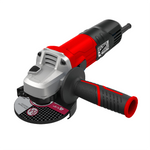
An angle grinder is a must-have in a fabrication shop, especially when working indoors. Its versatility allows it to switch between rough grinding and fine finishing easily. To handle winter work, make sure you have a good stock of essential attachments, including:
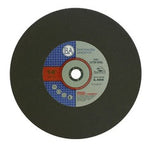
- Grinding Wheels: For aggressive metal surface removal and weld prep.
- Cutting Tools: Thin discs for making fast and accurate cuts on metal pieces.
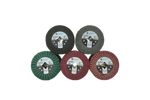
- Flap Discs: For blending and smoothing weld bead and rough surfaces.
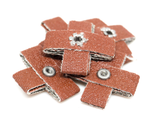
- Fiber Discs and Sanding Discs: For aggressive removal and initial surface preparation.
Air Compressors and Pneumatic Equipment
Cold temperatures have a greater impact on air compressors than on most other heavy equipment. Cold air has lower humidity, which can cause condensation in the lines that can freeze and damage moving parts. Maintaining consistent air pressure is crucial, as a drop in pressure can significantly reduce the performance of pneumatic abrasive tools. Be sure to regularly drain water from the lines and use anti-freeze to keep this essential part of your toolbox running smoothly.
Plasma Cutter for Precision Work Indoors
When metal fabrication is done indoors, plasma cutter systems are increasingly used for precise, complex patterns. Plasma cutting produces less dust and fumes than traditional grinding, making it ideal for closed shop environments. Keeping plenty of supplies for your plasma cutter is an important step in maintaining its efficiency during the colder months.
Related Article: How to Get Started in Met Fabrication
Abrasive Attachments to Stock Before Winter Hits
The nature of the work often changes in the winter season, demanding a focused inventory of specific abrasives.
Flap Discs and Surface Prep Discs
Condensation and temperature changes can rapidly deteriorate surfaces.
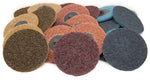
Flap discs are essential for cleaning, blending weld beads, and smoothing sharp edges. Surface conditioning discs, which are less aggressive than flap discs, are ideal for preparing metal parts for paint or coating, ensuring no residual moisture or oxidation remains.
Sanding Discs and Fiber Discs
Choosing between sanding discs and fiber discs depends on how much abrasive material you need to remove.
Fiber discs offer stronger, faster removal for heavy welds, while sanding discs are better suited for general smoothing and surface preparation in your metal fabrication shop projects.
Stocking both allows you to choose the right tool without wasting any.
Wire Brush Attachments for Rust and Oxidation
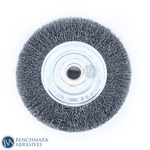
Changes in humidity during winter can increase oxidation rates. A good-quality wire brush is essential for cleaning these oxidized metal fragments. It's also essential for cleaning stainless steel and preparing seams where steel wire has been used, ensuring a clean surface for your final welding process.
Essential Hand Tools to Keep Close in the Colder Months
While the focus is often on power tools, maintaining accuracy and stability in the cold is often down to reliable hand tools.
Band Saw and Chop Saw
With more cutting tools being used indoors, band saws and chop saws provide the precision cutting needed during the winter months. Be sure to replace the blade with the correct tooth type to handle thicker cuts, as more material is being pre-cut and fitted inside the shop.
Drill Press and Measuring Tools
As metal cools, it shrinks. Metalworkers must be careful to use precise measurements, especially when working with large assemblies. A stable drill press ensures accuracy when drilling holes in shrinking metal. Keep measuring tools away from the welding table to avoid thermal shock and maintain calibration.
C Clamps and Workholding During Winter Fabrication
Workholding is crucial. Cold workpieces may shift more easily during welding. Stock up on sturdy C clamps and reliable workholding tools to ensure your assemblies stay rigid, whether they are on the press-brake or waiting to be finished on the machine tool.
Welding Equipment to Prepare Before Temperatures Drop
The quality of your weld is directly tied to environmental factors, especially in cold weather.
MIG Welder, TIG Welder, and Stick Welding Considerations
Cold temperatures can affect the performance of your MIG welder, TIG welder, and stick welding consumables. Make sure your filler metals and welding rods are stored in a warm, dry storage area. Cold can affect gas flow to your welding machine, so check for leaks in the lines. Make sure the fuel tank and fuel filter are properly conditioned to prevent freezing and deliver clean fuel to your cutting and heating torches.
Safety Gear: Protecting the Crew
A full stock of personal protective equipment (safety gear) is essential. Be sure to have:
- Safety glasses and a face shield for impact and flash protection.
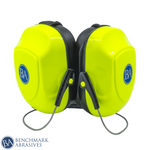
- Hearing protection against increased indoor noise.
- Respiratory protection to guard against fumes in a less-ventilated space.
Related Article: Difference Between Meta Fabrication and Welding
Maintenance Tips to Keep Tools in Top Shape All Winter
Proactive equipment maintenance is the best way to survive a harsh winter.
- Abrasive Storage: Abrasives are sensitive to moisture. Store equipment such as discs and belts in a dry place to prevent them from becoming brittle or moisture-damaged.
- Prevent Freezing: Drain air lines daily and ensure any tools or equipment used outdoors are completely dry before being stored. Freezing temperatures can destroy hydraulic seals and cause cracked, brittle parts.
- Battery Life: Check the battery life on cordless tools regularly, as cold temperatures naturally reduce their holding capacity.
- Best Practices: Implement a checklist for all heavy equipment to ensure all necessary pre-winter checks are completed.
Related Article: How to Store Abrasives in Cold Weather
No Delays, No Downtime: Enter Winter With Confidence
Entering the winter season with a fully stocked inventory and well-maintained fabrication tools is the best way to maintain workflow efficiency, ensure tool longevity, and prioritize safety. Preparing your metal fabrication shop for the colder months means you can focus on the job at hand without delays.
If you need help choosing the right tools or need to top up your abrasive stock, contact customer service at Benchmark Abrasives to see our featured products and ensure your shop is ready for the cold weather ahead.
Join Our Newsletter
Sign up to get the latest on sales, new releases and more …Join Our Newsletter
Sign up to get the latest on sales, new releases and more …Shop Categories
Recent Articles
- Resin Fiber Discs vs Flap Discs: When Should You Use Each?
- Best Abrasives for Rust Removal on Steel
- Cut-Off Wheels vs Band Saws: Which is Better for Metal Cutting
- How to Optimize RPM Abrasive Disc Performance & Lifespan
- Surface Conditioning Discs: A Fabricator's Guide
- Best Flap Disc for Stainless Steel: Complete Fabricator’s Guide
- Ceramic vs Zirconia Flap Discs: Which Performs Better for Metal Fabrication
- How to Choose the Right Grit for Metal Sanding Projects
- Tools Collection for Fabrication and Abrasive Workflows
- How to Choose the Right Diamond Blade
Featured Products
-
 746 Reviews
4-1/2" x 7/8" T29 Zirconia High Density Flap Disc - 10 pack
$25.19
-
 738 Reviews
4-1/2" x .040" x 7/8" t1 premium thin cut-off wheel - 25 pack
$20.88
-
 220 Reviews
4-1/2" x 7/8" T27 Zirconia High Density Flap Disc - 10 pack
$25.19
-
 380 Reviews
6" x .045 x 7/8" T1 Premium Thin Cut-Off Wheel - 25 pack
$27.29
-
 55 Reviews
Nonwoven 6" X 9" Scuff, Clean & Finish Hand Pads
$0.83
-
 123 Reviews
4-1/2" x 1/4" x 7/8" T27 Depressed Center Grinding Wheel - 25 pack
$28.34


Blog Categories
- Abrasives
- Sanding
- Grinding Deburring Finishing
- Safety and Cleanliness
- Metal Working
- Selecting Tools And Equipment
- Wood Working
- Art And Design
- Diy Projects
- Industry 4.0
- Buffing
- Cutting Tools
- Carbide Burrs
- PPE
- Wire Brushes
- Bonded Abrasives
- TIG Electrodes
- Wire Wheels
- Bits
- Diamond Blades
- Power Brushes
- Product Reviews
- Grinding
- Finishing
- Industrial Cleaners