



























What is an Angle Grinder Used to Grind - Common Uses, and Safety

Step into any professional workshop, metalworking shop, or active construction site, and you're likely to find a tool that's become indispensable to serious tradespeople: the angle grinder. This versatile power tool has earned its place as a go-to instrument for contractors, welders, and dedicated DIY enthusiasts. When people ask what an angle grinder is used for, the answer reveals the impressive versatility of this specialized tool. While its name hints at its grinding capabilities, this handheld power tool excels at a wide range of demanding tasks, including cutting through metal and stone, polishing surfaces, and removing rust or paint.
From heavy-duty metalworking to challenging masonry projects, an angle grinder proves its worth when standard tools fall short. In this comprehensive guide, we'll explain how an angle grinder works, explore the types of angle grinders and discs available, and detail the common applications that demonstrate why this tool has become essential for anyone tackling serious cutting, grinding, or surface preparation work.
How an Angle Grinder Works
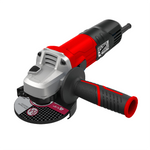
An angle grinder is a power tool that uses a high-speed motor to spin a disc or wheel, which is positioned at a right angle to the body of the tool. Its main components are the motor, the spindle where the disc is attached, a side handle for control, and a safety guard to protect the user.
The power source for angle grinders can vary. For long-lasting tasks, corded angle grinders offer a consistent power supply because they plug directly into an outlet. Cordless angle grinders use rechargeable batteries for portability and freedom of motion, while some specialized models even run on compressed air.
The integrated speed control allows for precise adjustment of the revolutions per minute (RPM). This is essential for achieving better control and preventing damage when working with different materials. Compared to a stationary bench grinder, a specialized die grinder, or a traditional hand grinder, the portability and adaptability of an angle grinder set it apart as a true, versatile power tool. Sometimes, it’s also called a side grinder due to the position of its handle and disc.
Types of Discs and Attachments
The real power of an angle grinder lies in selecting the right disc or attachment for each specific task. There are different types of discs and attachments available, and each is designed for a specific task.
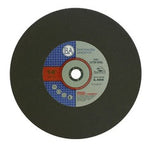
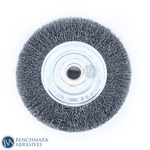
Cutting discs are your go-to choice for slicing through metal, rebar, and other tough materials with precision. For surface preparation and finishing work, flap discs offer an ingenious solution—combining aggressive material removal with the conformability of overlapping abrasive flaps for smooth, consistent results. For removing rust or paint, wire wheels excel at cleaning surfaces without damaging the underlying material.
The size of the disc and the type of abrasive material are equally important for performance. Aluminum oxide is a very common abrasive material for metal work, while silicon carbide is stronger and more suitable for masonry. For cutting hard materials like ceramic tiles and stones, you need a diamond blade or a diamond disc studded with industrial diamonds. When buying a disc, it is important to check the size and diameter of the disc to ensure it is compatible with your grinder. Before replacing the disc, you must unplug the machine. Once it's unplugged, engage the spindle lock.
What Can You Grind with an Angle Grinder?
When people ask what an angle grinder is used to grind, they’re often surprised by the answer's range.
Metal Grinding and Fabrication
The main application for angle grinders is metal grinding and fabrication. They're excellent for shaping and preparing metal surfaces and for removing welds. Whether you are working with stainless steel, cast iron, or sheet metal, an angle grinder can handle it.
Common tasks include cleaning metal, removing rust, and grinding welds to create a flat surface by removing excess material. Metalworkers use them in the initial stages to create rough edges and achieve a better, high-quality finish.
Woodworking and Surface Preparation
Although it’s not its primary function, angle grinders with flap discs can be used for woodworking purposes, such as shaping and carving. They are also extremely effective for surface preparation, such as removing old paint from a wood surface before applying a new coat.
Masonry Work and Construction
The power and portability of the angle grinder make it ideal for masonry work on construction sites. With a diamond blade, it can cut ceramic tiles, bricks, and other hard materials. This makes it an invaluable tool for shaping or modifying materials on a construction site.
DIY Projects and Household Jobs
For homeowners, the versatility of an angle grinder is a huge asset. You can use a wire wheel to remove rust from outdoor furniture. It is a great tool for sharpening lawnmower blades or other cutting tools in the garage. From cleaning off old paint on metal railings to cutting various materials for household tasks, an angle grinder is a must-have in your toolbox.
Angle Grinder vs. Other Cutting Tools
Although angle grinders can perform many functions, it is important to know when to choose a different tool for the job. Circular saws or table saws are specifically designed to make clean, straight cuts in wood. While a belt sander is designed for fine finishing and smoothing, an angle grinder is a more aggressive tool, used for quickly cutting and removing hard materials. For very fine, precise cuts on delicate surfaces, die grinders or other disc grinders may offer better control.
Safety Precautions When Using an Angle Grinder
Due to the high speeds of rotating discs, it is extremely important to follow safety precautions. Always wear personal protective equipment (PPE) such as safety glasses and a face shield. It is mandatory to wear a dust mask to protect against airborne particles, and hearing protection is a must to avoid damage from loud noises.
Before you begin, prepare your work area. Always choose the right disc for the job, as an incompatible disc can break and cause serious injury. Many grinders also have built-in safety features like a spindle lock for safely changing discs and speed control for better management of the tool.
Choosing the Best Angle Grinder for the Job
To choose the best angle grinder, consider its power source, disc size, and speed control. Cordless grinders are great for being portable, while corded angle grinders offer consistent power. The disc size and the grinder's RPM rating determine how big a job it can handle.
For DIY projects, a smaller model may suffice, while professional metalworkers need a powerful, durable model. Different types of grinders and their accessories are designed to complement the other hand tools in your toolbox.
Pro Tips for Better Results
Getting good results with an angle grinder takes more than just turning it on and going to work. Here are some practical tips that can make a real difference in your projects:
-
Precision Cuts: For a precise cut, make a shallow line before making the final cut.
-
Speed Control: Using the speed control to match the material will give you better results and better control.
-
Material Matching: Use a specific abrasive material for each job; aluminum oxide for most metals, diamond discs for masonry, and flap wheels for finishing.
-
Surface Preparation: For effective rust removal or stripping of old paint, use a wire wheel before starting finishing work.
Mastering the Angle Grinder
Now, next time when someone asks you what an angle grinder is used to grind, the answer is almost everything, whether it's a piece of sheet metal or a large masonry wall. Due to its versatility, it is an essential tool for DIY tasks, metalworking, woodworking, and masonry.
By choosing the right cutting disc, flap disc, sanding disc, or abrasive wheel for your job and always putting safety first, you can use this versatile power tool to great effect on a wide variety of materials.
Join Our Newsletter
Sign up to get the latest on sales, new releases and more …Join Our Newsletter
Sign up to get the latest on sales, new releases and more …Shop Categories
Recent Articles
- Resin Fiber Discs vs Flap Discs: When Should You Use Each?
- Best Abrasives for Rust Removal on Steel
- Cut-Off Wheels vs Band Saws: Which is Better for Metal Cutting
- How to Optimize RPM Abrasive Disc Performance & Lifespan
- Surface Conditioning Discs: A Fabricator's Guide
- Best Flap Disc for Stainless Steel: Complete Fabricator’s Guide
- Ceramic vs Zirconia Flap Discs: Which Performs Better for Metal Fabrication
- How to Choose the Right Grit for Metal Sanding Projects
- Tools Collection for Fabrication and Abrasive Workflows
- How to Choose the Right Diamond Blade
Featured Products
-
 746 Reviews
4-1/2" x 7/8" T29 Zirconia High Density Flap Disc - 10 pack
$25.19
-
 738 Reviews
4-1/2" x .040" x 7/8" t1 premium thin cut-off wheel - 25 pack
$20.88
-
 220 Reviews
4-1/2" x 7/8" T27 Zirconia High Density Flap Disc - 10 pack
$25.19
-
 380 Reviews
6" x .045 x 7/8" T1 Premium Thin Cut-Off Wheel - 25 pack
$27.29
-
 55 Reviews
Nonwoven 6" X 9" Scuff, Clean & Finish Hand Pads
$0.83
-
 123 Reviews
4-1/2" x 1/4" x 7/8" T27 Depressed Center Grinding Wheel - 25 pack
$28.34


Blog Categories
- Abrasives
- Sanding
- Grinding Deburring Finishing
- Safety and Cleanliness
- Metal Working
- Selecting Tools And Equipment
- Wood Working
- Art And Design
- Diy Projects
- Industry 4.0
- Buffing
- Cutting Tools
- Carbide Burrs
- PPE
- Wire Brushes
- Bonded Abrasives
- TIG Electrodes
- Wire Wheels
- Bits
- Diamond Blades
- Power Brushes
- Product Reviews
- Grinding
- Finishing
- Industrial Cleaners