



























How to Cut Metal for Every Project Using Tools and Materials

You’re ready to dive into a metalworking project—but now you’re staring at your toolbox, wondering where to even start. Choosing the correct method for cutting metal may seem complicated, but it's very important to get a clean, professional finish and keep yourself safe in the process.
The truth is, there's no one "best" tool for cutting metal; the best method depends entirely on the type of metal you're working with, its thickness, and the type of cutting you need to do.
This guide will walk you through everything you need to know to cut metal confidently. We'll cover everything from basic hand tools to the heavy-duty electric stuff, plus some practical tips for whatever project you've got brewing.
Understanding Different Types of Metal and Their Cutting Requirements
Metal is not just a material; it is a diverse group with different characteristics. For example, a steel plate is strong and durable, while thinner metals, such as sheet metal, are flexible. Cast iron is brittle and can break if not handled properly.
The thickness of the metal is the most important factor in tool selection. Thin metals can be cut with simple scissors, but thicker metals, such as thick steel, require a much more powerful cutting method.
Your project will determine the type of metal you need to cut, whether it is aluminum, steel tubing, or metal pipes. Planning is essential for a smooth cutting process. Knowing whether you need to cut a steel plate or just a few small metal parts will determine whether you need a hacksaw or a powerful plasma cutter.
Gear Up: Safety First Before You Start Cutting
First things first: safety. Safety is paramount when cutting metal. The process creates sparks, hot metal, and sharp edges, all of which pose serious risks.
Always wear the proper safety equipment. This includes ANSI-approved eye protection that protects your eyes from sparks and flying debris. When using loud power tools, wear hearing protection. Additionally, wear gloves and long-sleeved clothing to protect your skin from cuts and burns. A dust mask is also a must, especially when cutting metal that can release fine particles that fly into the air.
Take these safety precautions before you begin. Your workpiece should be clamped or firmly secured. Keep a fire extinguisher nearby, and keep your work area free of any flammable materials. Handle metal fragments and other debris properly to avoid slips and falls.
Different Types of Hand Tools for Metal Cutting
For small jobs, thin metals, or where a power source is not available, hand tools are the best tool and often the best method of cutting.
Manual Cutting Tools
For thin sheet metal, tin snips or metal shears work best. They’re simple, sharp, and perfect for quick, clean cuts. For cutting thicker materials like steel tubing, a hacksaw with the appropriate hacksaw blade is the traditional and reliable choice. It's an excellent tool for making precise cuts and offers a controlled cutting process.
Specialized Hand Tools
For thick steel rods or cables, bolt cutters are the most effective tool. Their long handles provide extreme strength, allowing you to cut through even hard materials. Cold chisels and hammers are also great tools for scoring the surface of metal before breaking, bending, or chipping it into smaller pieces.
Power Tools for Metal Cutting
When it comes to speed, power, and versatility, power tools are a must for any heavy metalworking project.
Angle Grinders and Cutting Discs
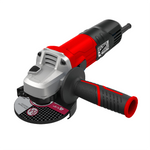
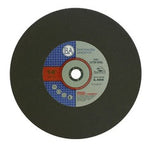
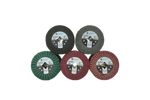
The angle grinder is one of the most versatile tools for cutting metal. It is perfect for making rough cuts in mild steel and for demolition work. The secret to its versatility lies in the cutting blade or cutting disc you use. Use aluminum oxide abrasive discs or cut-off wheels when you need a general-purpose cutting tool.
For tougher jobs, a diamond blade is the best tool. Benchmark Abrasives offers a wide range of cut-off wheels and abrasive discs designed for durability and performance.
Specialized Power Saws
For exact cuts in metal, a bandsaw (a specialized power saw) is the best choice. Its continuous metal blade provides controlled and smooth cuts, making it perfect for custom metal parts.
For demolition work and rough cuts, a reciprocating saw is your best bet. A jigsaw with a metal cutting blade is great for making curved cuts in sheet metal, while a miter saw with a special carbide-tipped blade is perfect for straight cuts in steel tubing or metal pipe.
Precision Cutting Tools
For cutting thinner and more delicate metal parts, a rotary tool is an excellent choice. For faster cuts, a cutoff saw, especially an abrasive chop saw, is an excellent choice. To drill larger holes, you should use a drill press with the appropriate drill bit.
Note: Table saws are generally not recommended for cutting metal, unless they are specifically designed for that purpose.
Professional-Grade Equipment
For professionals or those working with extremely thick steel, specialized equipment is best suited. Plasma cutters use a jet of hot plasma to cut conductive materials, making it an incredibly fast and efficient way to cut steel. Plasma cutting can provide very clean cuts with minimal slag. For absolute precision and intricate designs, nothing beats laser cutting, but this is usually reserved for industrial applications.
Cutting Techniques and Best Practices
Mastering a few techniques will ensure you get clean cuts and a smooth finish every time.
Achieving Quality Cuts
For straight cuts, always use a straight edge as a guide. A jigsaw is the best option for making curved cuts. No matter the tool you use, keeping a slow and constant speed is crucial for accuracy and a clean finish. Don't push on the tool; let the cutting edge do the work. This will give you a clean cut and increase the life of your blade.
Tool-Specific Techniques
When using a reciprocating saw, applying light pressure on the return stroke can increase the life of the blade. When using an angle grinder, make sure the tool is on high speed before touching the metal surface. Choosing the right blade is also important. A blade with a high TPI is most suitable for smooth cuts, while a blade with a low TPI is better for rough cuts or when you need to remove a lot of material quickly.
Finishing and Quality Control
After the cutting process, the metal surface will be hot, and the edges will be sharp. Always allow the workpiece to cool. You can then use a file or an abrasive disc mounted on an angle grinder to roughen up the edges, ensuring a smooth and safe finish.
Related Article: How to Polish Metal
Choosing the Right Equipment
Deciding which tool to buy can be a tough decision. Benchmark Abrasives offers an extensive selection of high-quality tools that will help you save time and hassle in the long run. The best tool is the one that's right for the job, and investing in quality is always beneficial. The right tool, with the right cutting blade, will last a long time and make your hard work even more enjoyable.
If you have any questions/are unsure which tool works best for your project, feel free to contact us! We’re happy to help.
Now You Can Cut Like a Pro Every Time
Mastering metal cutting is a fundamental skill for any DIYer or professional. It's important to understand your material and choose the right tool for the job. From angle grinders for general work to bandsaws for precision work, there are countless options.
Remember, always put safety first by wearing the right gear and following basic precautions. With the right tools and a little practice, you can confidently tackle any of your metalworking projects, ensuring clean, precise cuts and professional results every time.
Join Our Newsletter
Sign up to get the latest on sales, new releases and more …Join Our Newsletter
Sign up to get the latest on sales, new releases and more …Shop Categories
Recent Articles
- How to Choose the Right Diamond Blade for Grinder
- Wire Wheels and Brushes: How to Choose the Right One
- How to Deburr Metal Safely and Efficiently
- How to Reduce Heat Discoloration When Grinding Stainless Steel
- How to Achieve a Mirror Finish on Stainless Steel
- A Fabricator’s Guide to Surface Prep Before Powder Coating
- What Causes Burn Marks During Sanding and Grinding, and How to Prevent Them
- Beginner’s Guide to Metal Surface Prep Before Welding
- How to Choose the Right Abrasive Wheel for Your Grinder
- How to Use a Drum Sander: Step-by-Step Guide for Woodworking
Featured Products
-
 746 Reviews
4-1/2" x 7/8" T29 Zirconia High Density Flap Disc - 10 pack
$25.19
-
 738 Reviews
4-1/2" x .040" x 7/8" t1 premium thin cut-off wheel - 25 pack
$20.88
-
 220 Reviews
4-1/2" x 7/8" T27 Zirconia High Density Flap Disc - 10 pack
$25.19
-
 380 Reviews
6" x .045 x 7/8" T1 Premium Thin Cut-Off Wheel - 25 pack
$27.29
-
 55 Reviews
Nonwoven 6" X 9" Scuff, Clean & Finish Hand Pads
$0.83
-
 123 Reviews
4-1/2" x 1/4" x 7/8" T27 Depressed Center Grinding Wheel - 25 pack
$28.34


Blog Categories
- Abrasives
- Sanding
- Grinding Deburring Finishing
- Safety and Cleanliness
- Metal Working
- Selecting Tools And Equipment
- Wood Working
- Art And Design
- Diy Projects
- Industry 4.0
- Buffing
- Cutting Tools
- Carbide Burrs
- PPE
- Wire Brushes
- Bonded Abrasives
- TIG Electrodes
- Wire Wheels
- Bits
- Diamond Blades
- Power Brushes
- Product Reviews
- Grinding
- Finishing
- Industrial Cleaners