



























How to Remove Paint from a Car with Minimal Damage

As a car owner, discovering mysterious paint spots or transfer marks on your vehicle's surface can be both puzzling and annoying. How can you quickly and safely remove paint from your car? We have the answers. Whether it’s spray paint or any other paint settled on your car during home improvement projects, dealing with paint on your car’s surface is irritating.
There are multiple effective methods to resolve this problem. A gentle clay bar technique, as well as more aggressive chemical stripping methods, are commonly used, depending on the type of paint contamination.
In this guide, we will explore some of the best ways to safely and effectively get rid of unwanted paint. We will also show the methods to use, so you can choose the right method for your specific situation.
Types of Paint Damage and Inspection
Understanding where the paint came from is the first step in deciding how to remove it effectively. One common cause of paint transfer is parking lot incidents, where another vehicle’s paint rubs off onto your car’s surface. This often results in small spots or streaks that are noticeable but usually manageable.
Paint splatter from nearby construction or road work is another frequent culprit. This kind of contamination often appears as irregular patches or overspray that land on your car.
Assessing the Damage
Before deciding how to remove paint from your car, take a moment to evaluate the damage thoroughly. First, determine whether the paint is stuck on the top layer of your car’s clear coat or if it has penetrated deeper into the paint layers. This helps in selecting the most appropriate removal method while minimizing potential harm to your vehicle's finish.
Then, identify the type of paint on your car. Latex and house paints tend to be softer and may respond well to milder removal techniques, while spray paint needs stronger approaches. Small spots can be removed with simple clay bar treatments, whereas larger areas necessitate more intensive solutions.
By carefully assessing paint splatter or overspray and understanding, you will be better equipped to select the best way to restore your car's pristine look.
Related Article: How to Remove Spray Paint From Metal
Essential Tools and Materials
Abrasive Materials
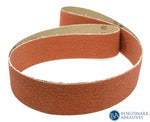
- Prepare various grits of sandpaper to handle different severity levels of paint damage.
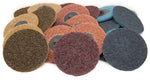
- For tough, use a fine-grade automotive-safe abrasive pad or polishing compound if a clay bar isn’t effective.
- Finish with a rubbing compound to restore shine and smoothness.
- For gentle paint removal, opt for a clay bar to lift paint without harming your car’s surface.
Chemical Solutions
- Apply paint thinner or lacquer thinner to soften and dissolve paint.
- For cleaning and delicate stripping, use mineral spirits and denatured alcohol.
- WD-40 can help loosen paint transfer in small areas, but be sure to clean thoroughly afterward to remove any residue before waxing or sealing the surface.
- For heavy-duty removal, a chemical stripper can be highly effective when handled with proper safety precautions.
Tools and Accessories
- Use plastic scrapers and plastic razor blades to lift paint safely without damaging the finish.
- Use a microfiber towel or soft cloth for gentle cleaning and polishing after paint removal.
- A heat gun is a great tool for paint removal because it softens the paint, simplifying the scraping process.
- Finish the job with a pressure washer for efficient cleanup and reveal your car’s pristine surface.
Methods and Techniques for Paint Removal
Clay Bar Technique
Use the clay bar method to remove light paint contamination. It is useful specifically over small areas of your vehicle’s surface. It’s an ideal choice when you want to remove surface debris without damaging the original paint or finish, making it safe for your car’s factory paintwork.
If you notice slight overspray, faint paint transfer, or small spots of paint splatter, the clay bar technique can effectively restore the smoothness and clarity of your paintwork.
Step-by-Step Process
- Start by giving your car a thorough wash to get rid of loose dirt and debris before using the clay bar.
- Use proper lubrication, a dedicated clay lubricant, or soapy water, to facilitate smooth movement.
- Using light pressure, gently glide the clay bar over a small surface area.
- Work section by section for even coverage and to prevent damage.
- After each area, wipe with a microfiber towel to check progress.
- Keep your clay well-lubricated and work with a soft hand to prevent any scratch marks.
- Once finished, follow up with a car wash and apply wax or sealant to protect the original paint.
Chemical Paint Removal
Chemical paint removal involves selecting the right product for the job, with options such as paint removers and chemical strippers suited for different situations. Paint remover is generally milder and suitable for lighter contamination, while chemical stripper is more potent and used for thicker or stubborn layers of paint.
For specific cases, such as graffiti or overspray, products like Goof Off or Graffiti Remover are effective.
Application Techniques, Safety, and Cleanup
When applying chemicals, always begin by testing on plastic parts or hidden areas to guarantee compatibility and prevent damage. Focus on flat surfaces first, as they allow for more even application and easier cleanup, before moving on to body panels that need careful handling.
Handling chemical paint removers requires proper ventilation and the use of protective equipment, such as gloves and masks, to keep yourself safe from fumes and skin contact.
Once the paint is loosened, thoroughly remove all remaining chemicals and residues to prevent any adverse reaction with your vehicle’s surface. Conclude with post-treatment car surface care like waxing or sealing to restore shine and add a protective layer.
Abrasive Removal Techniques
If sanding is required, always start with a fine-grit sandpaper (2000+) to minimize surface damage. Use coarser grits only in extreme cases and follow up with polishing and buffing.
For larger areas, a dual-action sander can speed up the process, providing smooth and even sanding. Use a sanding board to keep the surface flat and level during this process, preventing uneven spots.
Finishing and Restoration
Once the paint is removed, use a rubbing compound to achieve a smooth, polished surface, preparing it for repair. Properly restoring paint adhesion is essential if you plan to apply touch-up paint later. Restoring the surface may require a bit of elbow grease, but the effort makes sure your vehicle’s surface is primed for a seamless finish.
Heat and Scraping Method
Set your heat gun to a low to medium temperature; this is crucial for preventing damage to the surface you're working on. Focus on small sections at a time, applying gentle heat to gradually soften the old paint without affecting the fresh paint or the car’s finish. This method is handy for loosening older, more stubborn paint layers, making them easier to remove while minimizing surface damage.
Safe Scraping Techniques
Always use a plastic scraper to carefully lift the softened paint, reducing the risk of scratching or gouging your vehicle’s surface. Work along the paint surface following the natural grain of the material to prevent creating unintended scratches or damage. Be mindful to protect surrounding areas by covering the paintwork around the targeted section, and carefully control the scraper’s angle and pressure to ensure a safe and effective removal process.
Related Article: Best Ways of Stripping Car Paint at Home
Special Situations and Problem Areas
When removing paint from various parts of your vehicle, pay attention to the specific area. The rear bumper and plastic components require gentle techniques, often needing softer abrasives or chemical solutions to avoid cracking or etching the surface. Delicate areas, such as trim or decals, demand extra care to prevent damage.
If you're working on a project car or restoring a classic, take special precautions to preserve original finishes and avoid unintended harm, especially if the goal is to keep the vehicle in pristine condition.
Insurance and Professional Considerations
Knowing when to contact your insurance company is crucial, particularly if the paint damage is a result of a collision or vandalism. To ensure a safe and high-quality result, leave collision repair to professionals.
For DIY approaches, assess whether the damage is minor enough for you to handle without risking further issues. Classic cars require special attention; they often have thinner paint or original finishes that can be easily damaged, so consider consulting a specialist if you're unsure about the best repair method.
Prevention and Maintenance
Preventative care starts with regular car wash routines that remove dirt and contaminants before they cause damage. Applying Turtle Wax or other protective waxes creates a barrier against UV rays, dirt, and minor abrasions, helping maintain your vehicle’s gloss and paint integrity. Practicing auto detailing regularly, such as polishing and sealing, preserves your car’s appearance and extends the life of the paint, ultimately saving you time and money on repairs down the road.
Handling Sensitive Areas and Common Paint Removal Challenges
If you encounter stubborn paint that refuses to budge after trying several methods, it might be time to reassess your approach. Don’t risk damaging the entire car; it’s important to know when to seek professional help. This is especially critical if the paint has been on for a long time and has bonded excessively with the surface.
Common Mistakes to Avoid
When working on your car, avoid the mistake of using too much pressure or the wrong tools. This has the potential to cause extensive damage to the entire vehicle. Test new products in a hidden area first to prevent issues that could take a long time to fix if something goes wrong. Finally, pay attention to timing and technique so that every step is done the right way to achieve the best results without causing unnecessary harm.
Your Car's Clean Slate Awaits
Only a car lover knows the happiness that comes from restoring a vehicle to its original look. If you own a car, you want the best for your vehicle, and knowing the best way to handle paint issues is part of effective car maintenance.
Start with gentle techniques and gradually progress to more aggressive methods. Investing in top-quality abrasives and protective products will yield the best results and maintain your vehicle’s appearance over the long haul.
Good luck with restoring your car to its beautiful, pristine state!
Join Our Newsletter
Sign up to get the latest on sales, new releases and more …Join Our Newsletter
Sign up to get the latest on sales, new releases and more …Shop Categories
Recent Articles
- How to Choose the Right Diamond Blade for Grinder
- Wire Wheels and Brushes: How to Choose the Right One
- How to Deburr Metal Safely and Efficiently
- How to Reduce Heat Discoloration When Grinding Stainless Steel
- How to Achieve a Mirror Finish on Stainless Steel
- A Fabricator’s Guide to Surface Prep Before Powder Coating
- What Causes Burn Marks During Sanding and Grinding, and How to Prevent Them
- Beginner’s Guide to Metal Surface Prep Before Welding
- How to Choose the Right Abrasive Wheel for Your Grinder
- How to Use a Drum Sander: Step-by-Step Guide for Woodworking
Featured Products
-
 746 Reviews
4-1/2" x 7/8" T29 Zirconia High Density Flap Disc - 10 pack
$25.19
-
 738 Reviews
4-1/2" x .040" x 7/8" t1 premium thin cut-off wheel - 25 pack
$20.88
-
 220 Reviews
4-1/2" x 7/8" T27 Zirconia High Density Flap Disc - 10 pack
$25.19
-
 380 Reviews
6" x .045 x 7/8" T1 Premium Thin Cut-Off Wheel - 25 pack
$27.29
-
 55 Reviews
Nonwoven 6" X 9" Scuff, Clean & Finish Hand Pads
$0.83
-
 123 Reviews
4-1/2" x 1/4" x 7/8" T27 Depressed Center Grinding Wheel - 25 pack
$28.34


Blog Categories
- Abrasives
- Sanding
- Grinding Deburring Finishing
- Safety and Cleanliness
- Metal Working
- Selecting Tools And Equipment
- Wood Working
- Art And Design
- Diy Projects
- Industry 4.0
- Buffing
- Cutting Tools
- Carbide Burrs
- PPE
- Wire Brushes
- Bonded Abrasives
- TIG Electrodes
- Wire Wheels
- Bits
- Diamond Blades
- Power Brushes
- Product Reviews
- Grinding
- Finishing
- Industrial Cleaners